Signs You Need an Eye Exam | Warby Parker
If your days have started involving more squinting, enlarging text, holding menus at arm’s length, rubbing your eyes, or quietly blaming every room for having terrible lighting, it may be time to pay attention to what your vision is trying to tell you. The tricky part is that vision changes often happen gradually. You adapt. You compensate. You memorize where things are. And before long, what would have seemed obviously blurry a year ago starts to feel normal.
That’s why so many people spend months, or years, wondering whether they’re imagining the problem. Maybe you’re tired. Maybe you’ve been staring at screens too much. Maybe everyone struggles to read restaurant menus in dim light. Maybe road signs have always been that fuzzy at night. The mind is remarkably creative when it comes to postponing appointments. It’s easier to explain away small inconveniences than to confront the possibility that your eyes have changed.
There’s also something surprisingly personal about realizing you may need glasses, especially for the first time. For many people, it feels like crossing an invisible threshold into adulthood, aging, or simply needing help. None of those interpretations are necessary, but they’re common. The result is that people often delay getting answers because they don’t want to feel unprepared, uninformed, or like they’re about to stumble into a world of unfamiliar choices.
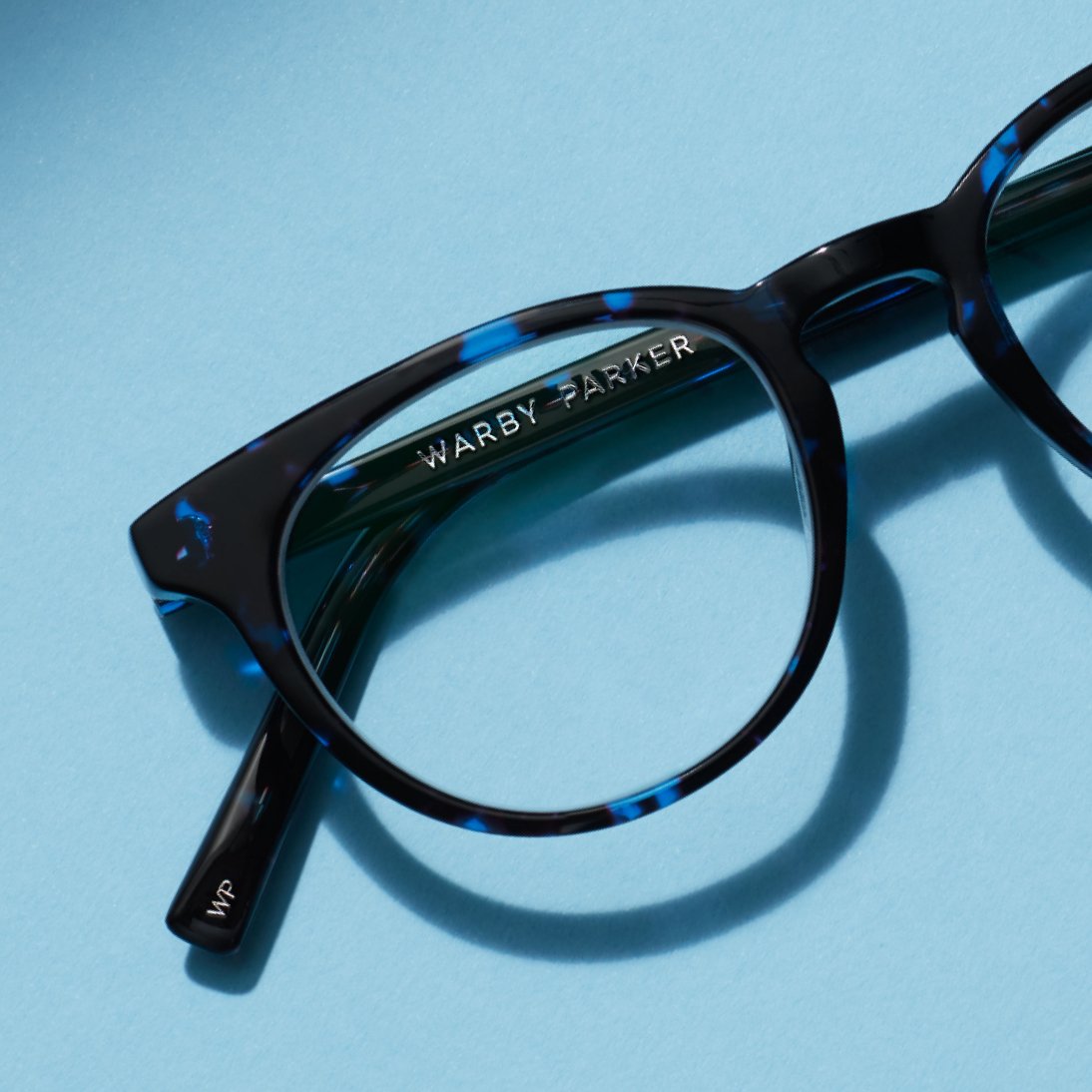
Looking for new lenses?
Our glasses include prescription lenses with scratch-resistant, anti-reflective coatings
This guide is designed to make the process less mysterious. We’ll look at the everyday signs that suggest an eye exam may be worth scheduling, the most common reasons people put it off, what an exam can and cannot tell you, and how to move from “Something feels off” to a prescription and a pair of glasses that genuinely fit your life.
The Everyday Clues People Usually Explain Away
Blurry vision is easy to negotiate with. Maybe the room is dim. Maybe the menu font was designed by someone with eagle vision. Maybe the presentation screen really is too far away.
But if you’re squinting more often, holding text closer or farther away, struggling to see signs or screens at a distance, noticing more nighttime glare, or feeling visual tiredness after reading, working, or driving, it may be time for an eye exam.
Current glasses or contacts that no longer feel quite right count, too. You haven’t failed some secret vision test by noticing late. You’re simply moving from guessing to checking. If symptoms are sudden, severe, or concerning, seek prompt care from an eye care professional.
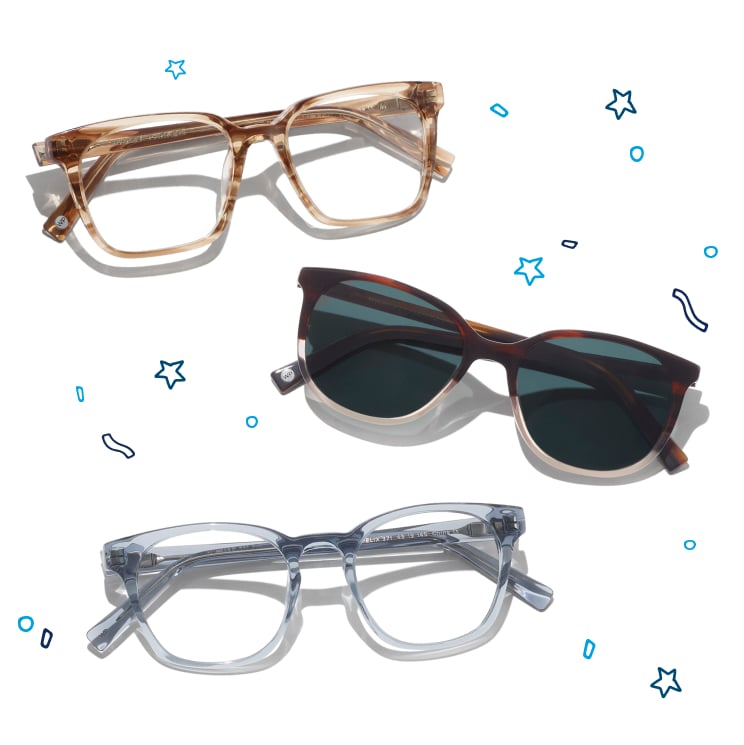
No matter your eye color…
You deserve to see clearly. (And to have a little fun shopping for eyewear, too.)
Mistakes That Keep People From Booking the Exam
The biggest mistake is waiting until vision feels bad enough. An eye exam doesn’t need to be dramatic. It’s a practical way to find out whether a prescription may help.
Another common mistake: assuming blur or squinting is always fatigue, screen time, or bad lighting. Sometimes it is. Sometimes your eyes deserve a clearer answer than probably fine.
Try this quick, non-diagnostic checklist:
- Distance: You squint to read signs, slides, or screens.
- Reading: You move text closer or farther away than usual.
- Old Rx: Your current glasses feel off.
- Nighttime: Driving at night feels less comfortable.
- Strain: Focused tasks leave your eyes tired.
- Timing: You haven’t had an eye exam in a while.
- Guessing: You keep explaining the same issue away.
If any of these sound familiar, booking an eye exam is a sensible next step.
What an Eye Exam Can Clarify, Without the Guesswork
An eye exam can help determine whether you need glasses, an updated prescription, or no prescription right now. It may also clarify whether single-vision lenses, reading glasses, or progressives are worth discussing, depending on your needs.
Bring any current glasses or prescription if you have them, plus real examples: reading, driving, screens, distance, low light. The point isn’t to pass. There is no score for squinting heroically through life.
Routine exam timing varies by age, prescription history, and eye health needs, so ask an eye care professional what cadence makes sense for you. Ready to stop guessing? You can book an eye exam at a store near you where available.
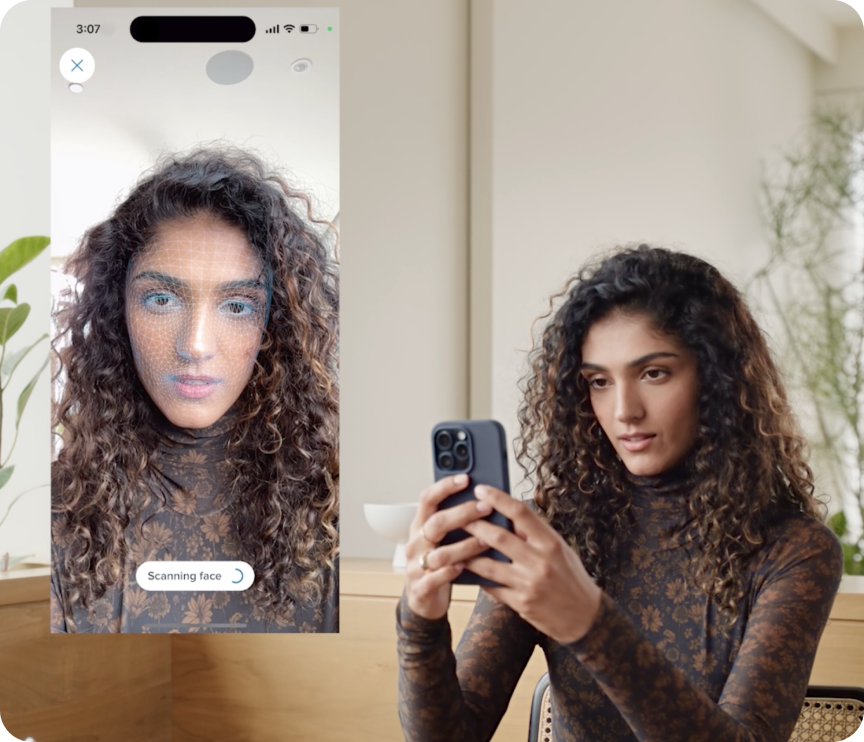
Need new glasses?
Vitually try on frames in the comfort of your own home
After the Prescription: Choose Glasses That Fit Your Actual Life
If you receive a prescription, the next part is more personal than mysterious: choose frames, configure lenses, and adjust the fit as needed.
Think about frame width, bridge fit, temple length, and how the frames sit with your features. Then consider lens options based on the prescription and routine. Single-vision lenses provide one prescription power for one viewing distance, while progressives, if prescribed, support multiple viewing distances. Anti-reflective treatment can help reduce glare. Photochromic lenses can be a convenient everyday option.
Style-wise, start where you feel at home: round, square, rectangular, cat-eye, metal, acetate, minimalist. Your first pair should feel like something you’d actually wear every day.
A Low-Awkwardness Plan for Your First Pair, or Your Next Pair
Start by booking the exam instead of decoding symptoms forever. Bring notes about when vision feels blurry, strained, or inconvenient. If you get a prescription, ask what lens type it calls for.
Then try frame shapes with virtual try-on or in store. Use style quizzes if you want help narrowing the field, and lean on in-store fittings and adjustments so your glasses feel comfortable, not merely technically present on your face.
Keep your prescription handy for future frame and lens decisions. Needing glasses doesn’t mean entering a confusing, old-school process. It can be guided, practical, and very much yours.
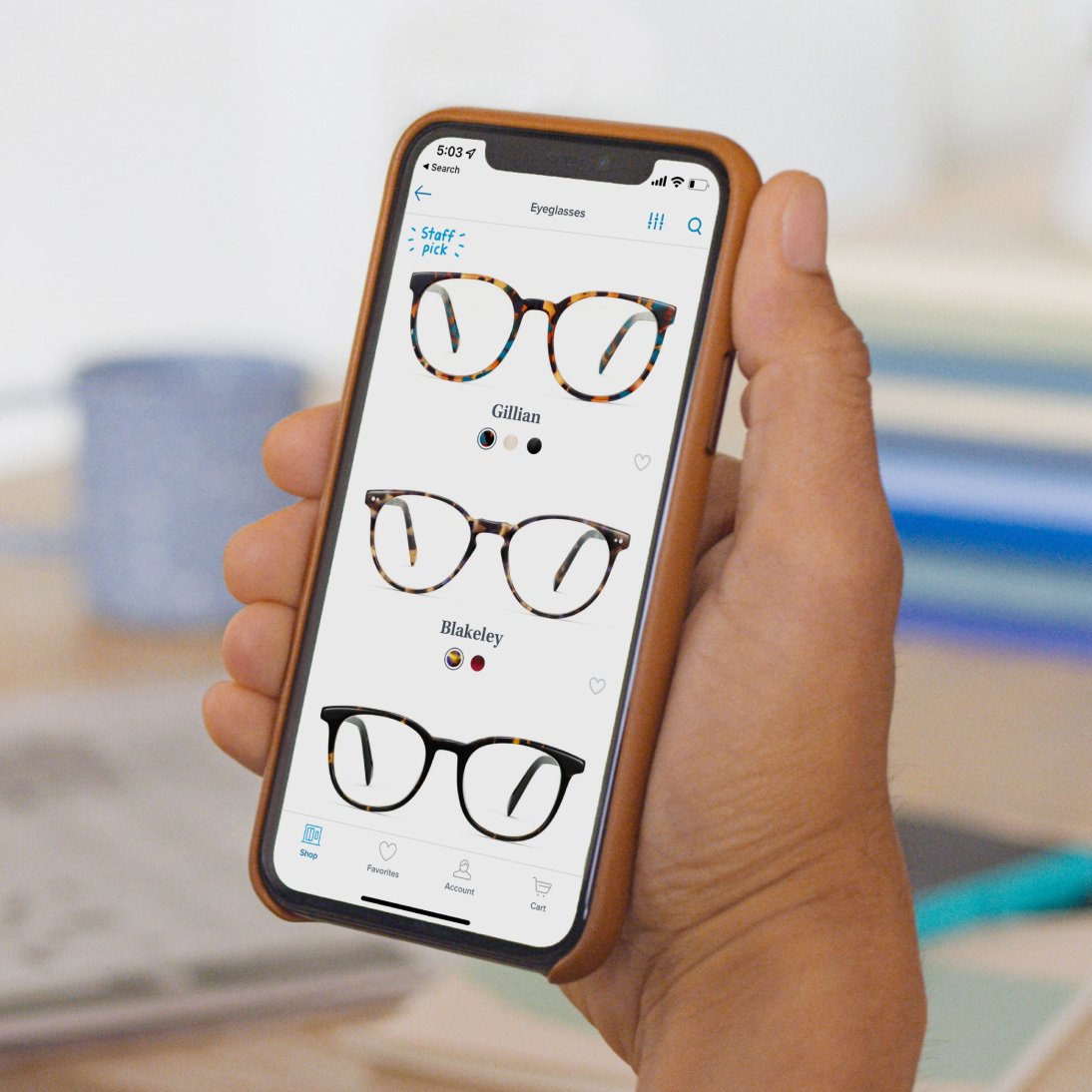
Frame shopping, made smarter
No guesswork needed—try on frames virtually and find your perfect pair
Signs You Need an Eye Exam, Then a Clear Next Step
Back to that familiar routine of squinting at screens, enlarging text, repositioning lamps, and wondering whether every restaurant suddenly decided to dim the lights: if the same vision frustrations keep appearing, it’s probably time to stop treating them as isolated incidents. That’s the real takeaway. Not panic. Not internet self-diagnosis. Just a straightforward next step that replaces speculation with information.
An eye exam doesn’t commit you to anything except understanding what’s actually going on. It can tell you whether your prescription has changed, whether your eyes are working harder than they need to, and whether a simple correction could make daily life noticeably easier. From there, you can decide what comes next, whether that’s new glasses, updated lenses, contact lenses, or simply the reassurance that your vision is where it should be.
Once you have that clarity, the process becomes much less intimidating. The medical questions are largely answered, and you’re left with the more enjoyable decisions: what fits your routine, what feels comfortable, and what suits your style. Vision correction may begin as a healthcare decision, but the glasses themselves are still personal.
Future you, the version that reads menus without stretching your arm to full extension, spots street signs before passing them, and doesn’t instinctively zoom every screen to 125 percent, may be grateful you took the time to find out what your eyes needed. And the frames? Those can still be chosen for exactly the same reason people choose anything else they wear: because they feel like you.
Think you need glasses?
Time to check in with one of our friendly optometrists
Legal Disclaimer
MEDICAL DISCLAIMER: This content is provided for educational and informational purposes only and is not intended as medical advice, diagnosis, or treatment. This information should not be used to replace professional medical care or consultation. Individual results may vary significantly. Always consult with a qualified healthcare provider before making any decisions about your health, vision, or medical treatment. Never disregard professional medical advice or delay seeking treatment because of information you have read on this website.
VISION CARE DISCLAIMER: Vision correction needs vary by individual. Consult an eye care professional for personalized assessment and recommendations.
FDA DISCLAIMER: These statements have not been evaluated by the Food and Drug Administration. This content is not intended to diagnose, treat, cure, or prevent any disease or medical condition.
PROFESSIONAL CONSULTATION REQUIRED: Only qualified eye care professionals can provide personalized recommendations for your specific vision needs and health conditions.
This article is for informational purposes only. It is not intended to provide medical advice or substitute for professional health services. Warby Parker complies with all HIPAA regulations regarding your health information. For personal health questions or concerns related to your vision or eyewear prescriptions, please consult a qualified healthcare provider.
What are common signs you may need an eye exam?
Common signs include blurry vision, squinting, trouble reading, difficulty seeing far away, nighttime visibility changes, visual discomfort after focused tasks, or glasses that no longer feel clear.
How often should you get an eye exam if your vision seems mostly fine?
It varies by age, prescription history, and eye health needs. Routine exams can help keep prescriptions current, so ask an eye care professional what schedule makes sense for you.
Can an eye exam tell you whether you need glasses?
Yes. An eye exam can help determine whether a prescription may improve clarity, whether you need a first prescription, or whether an existing prescription should be updated.
What if my current glasses feel off?
Glasses that feel blurry, strained, or less useful than they used to may be a sign your prescription, fit, or lens setup should be checked.
What happens after I get a prescription?
You can choose prescription eyeglasses, select frames that fit your face and style, and configure lenses around your prescription and daily routine.