Even though many of us rely on eyeglasses for everything we do, that doesn’t always mean you want them to dominate your look. Ultra-thin designs may be more to your taste. The right minimal frame can have a subtle, low-profile look on your face while still appearing polished and intentional.
This guide explains how to think about choosing some of the thinnest glasses frames that are designed for everyday use and style. Rather than focusing only on the most delicate look, it looks at how to balance sleek aesthetics with practical, day-to-day wear.
We will break down what actually makes very thin glasses frames possible – from commonly used metals to lens choices – and when a barely-there frame may be an option to discuss with an eye-care professional.
By the end, you will have an overview of key frame materials, the general differences between wire, semi-rimless, and rimless styles, and a few topics you may want to cover with your eye-care professional before you choose a new, ultra-slim pair.
What Makes Frames Truly “Thin”?
Thin frames are about more than how they look in photos. In practice, thinness comes from a mix of material strength, engineering, and the lenses you pair with your frame. A delicate-looking design that bends out of shape quickly may not be the kind of minimalist frame you are looking for.
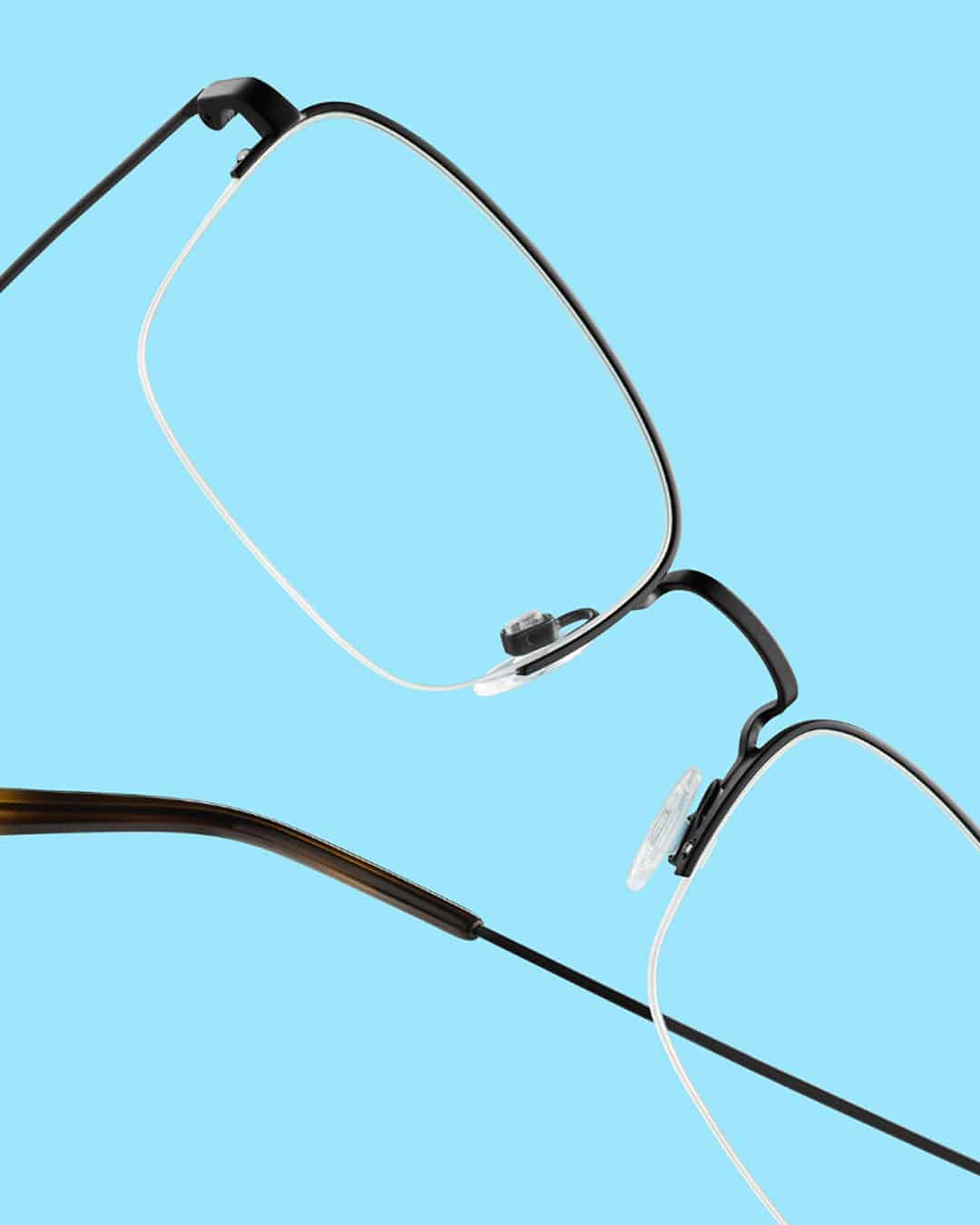
Modern metals such as titanium and stainless steel allow manufacturers to use very slim components while maintaining structural integrity. High strength-to-weight metals support smaller cross-sections at comparable strength, which is what allows manufacturers to create ultra-thin temples and bridges that are intended for everyday wear.
The overall profile is also affected by lens thickness. For stronger prescriptions, standard plastic lenses can protrude beyond a slim frame edge. In those cases, high-index lenses, which bend light more efficiently, can help reduce edge bulk and keep the entire pair looking visually lighter.
Finally, frame construction style matters. Full-rim frames surround the lens completely, semi-rimless frames support only part of the lens, and rimless designs attach hardware directly to the lens. As coverage decreases, the look usually becomes more minimal – but the lens material and mounting quality become more important for long-term use.
Materials for Thin Glasses Frames
When people search for very thin eyewear, they are often responding to two priorities: lighter-feeling weight and a more understated appearance. Material selection is central to both. Titanium and stainless steel are widely used for slim, wire-like designs because they combine relatively low weight with notable strength.
An overview of eyeglass frame materials explains that titanium frames offer a strong, corrosion-resistant option that can be manufactured in thin profiles. In contrast, acetate and other plastics generally need more thickness to achieve similar durability, which is why they are more common in bold, statement-making styles.
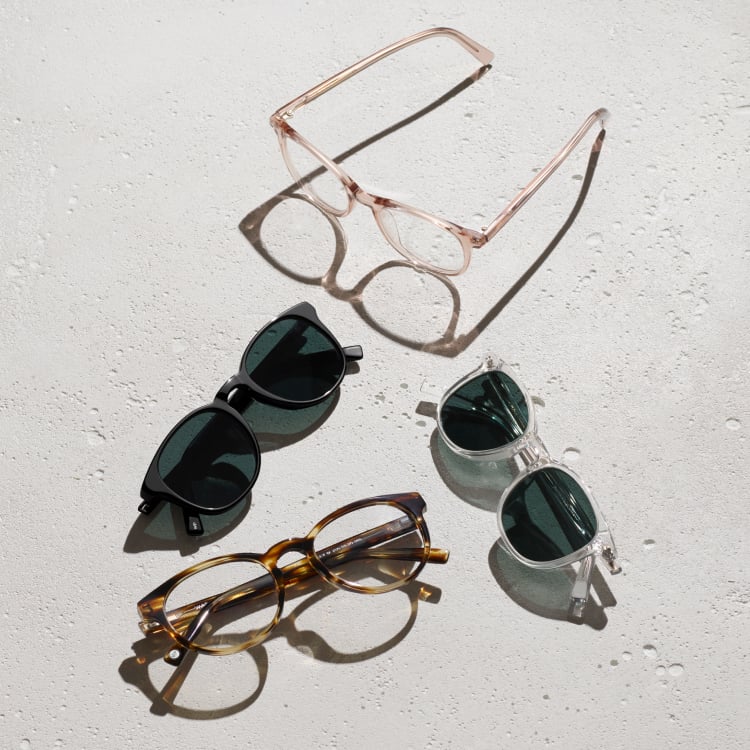
That does not mean plastic is inferior; it simply serves a different design purpose. Thicker acetate can be a good fit if you prefer a substantial look, want to visually conceal thicker lens edges, or like a sturdier-feeling frame for more active use. For a thinner visual profile, metals and metal alloys are usually a common starting point.
Advanced memory metals and flexible polymers appear in some ultra-thin frames as well. These materials can bend and return to their original shape, which can add resilience to delicate-looking designs. Still, a proper professional fitting is important; even very flexible materials may feel uncomfortable if the bridge or temples are misaligned.
Thin Profiles, Strong Designs: Styles to Consider
Once you know which materials support slim construction, the next step is choosing a frame style that works with your prescription and daily routine, as determined with an eye-care professional. Three broad styles often come up in conversations about thin frames: wire, semi-rimless, and rimless.
Wire frames use slim metal around the entire lens for a classic, minimalist look. They tend to be very light, and the full rim can offer some protection for the lens edge. Semi-rimless designs remove part of the surrounding metal – typically along the bottom of the lens – for an airier aesthetic that keeps a little more visible structure than fully rimless options.
Rimless frames provide a very minimal, “barely there” effect. Here, lenses are shaped and drilled so that the bridge and temples attach directly. This look showcases your face more than your eyewear, but it relies on the right lens material and careful mounting. Impact-resistant materials such as polycarbonate or Trivex are often used for rimless or semi-rimless styles.
- Wire frames may be a good match if you want a thin, traditional look with a bit more visible structure around the lens.
- Semi-rimless frames may be appealing if you like minimalism but still prefer some visible framing.
- Rimless frames may be an option if your priority is the most minimal visual footprint and you are comfortable with a more delicate overall appearance.
Key Takeaways and Next Steps for Choosing Thin Frames
The search for thin glasses frames is really a search for balance. Many ultra-thin designs combine high-strength metals or advanced polymers, thoughtfully chosen lens materials, and frame styles that reflect how you actually live and work. Titanium or stainless-steel wire, semi-rimless, and rimless designs can all offer a refined, lightweight look when they are fitted correctly and paired with suitable lenses.
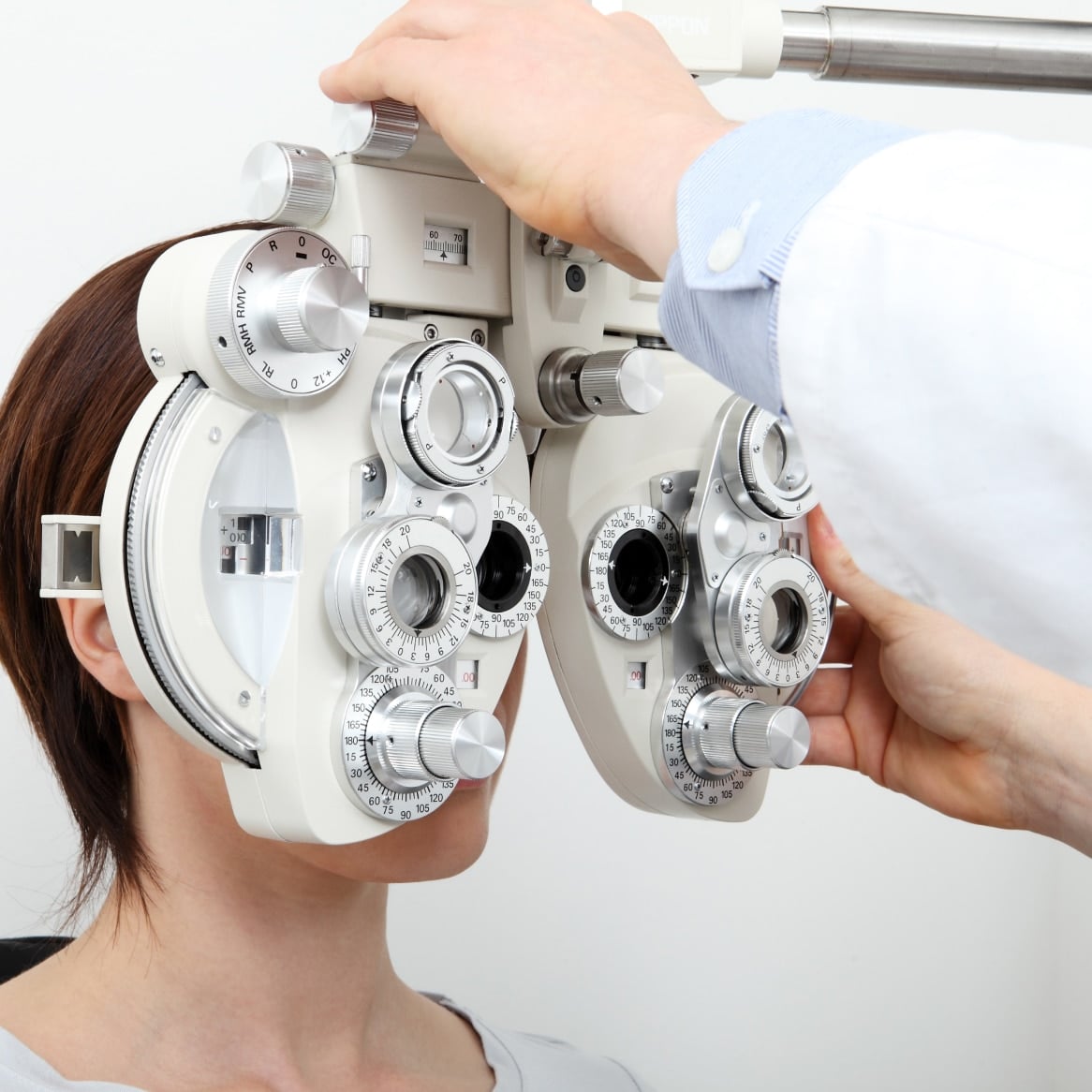
Before you decide, consider three questions: How strong is your prescription? How active is your daily routine? And how visible do you want your glasses to be? Sharing these answers with your eye-care provider may help them suggest options for frame material, style, and lens type that align with your preferences for a slim profile and everyday use.
As a next step, you might shortlist a few thin frame styles you like, then try them on in person if you can. Pay attention to comfort on the bridge and behind the ears, how secure they feel when you move, and how the overall look aligns with your personal style.
Legal Disclaimer
MEDICAL DISCLAIMER: This content is provided for educational and informational purposes only and is not intended as medical advice, diagnosis, or treatment. This information should not be used to replace professional medical care or consultation. Individual results may vary significantly. Always consult with a qualified healthcare provider before making any decisions about your health, vision, or medical treatment. Never disregard professional medical advice or delay seeking treatment because of information you have read on this website.
VISION CARE DISCLAIMER: Vision correction needs vary by individual. Consult an eye care professional for personalized assessment and recommendations.
FDA DISCLAIMER: These statements have not been evaluated by the Food and Drug Administration. This content is not intended to diagnose, treat, cure, or prevent any disease or medical condition.
PROFESSIONAL CONSULTATION REQUIRED: Only qualified eye care professionals can provide personalized recommendations for your specific vision needs and health conditions.
This article is for informational purposes only. It is not intended to provide medical advice or substitute for professional health services. Warby Parker complies with all HIPAA regulations regarding your health information. For personal health questions or concerns related to your vision or eyewear prescriptions, please consult a qualified healthcare provider.
Are thin glasses frames more fragile?
In some cases, very thin frames made from certain metals, such as titanium, may be designed with durability in mind. However, ultra-thin or rimless designs can be less forgiving of rough handling than thicker acetate styles, so careful use and storage are important.
Which material is often used for ultra-thin frames?
Titanium and stainless steel are popular materials for ultra-thin frames because they combine relatively low weight with notable strength, allowing slim components in many frame designs.
Can I get very thin frames with a strong prescription?
In some situations, yes. Lens choice plays a role. High-index lenses can help reduce edge thickness, which may make some prescriptions appear more discreet in slim or rimless frames. Your eye-care professional can advise on what is appropriate for your specific prescription.
Are rimless glasses the thinnest option?
Rimless glasses usually offer one of the most minimal appearances because there is no surrounding frame. They rely on appropriate lens materials and careful mounting for stability.
Do thin glasses frames suit every face shape?
Thin frames are versatile, but the shape and size still need to be matched to your features and preferences. An optician or eye-care professional can help you explore slim designs that may complement your face.