When Is Vision Insurance Not Worth Using for Contacts?
Although it’s understandable that you would always want to apply your insurance to your eyewear, insurance is sometimes not worth using for contacts when your annual premium, copays, and leftover out-of-pocket costs add up to more than direct per-day pricing for the same lenses. It can also underdeliver when plan rules restrict your prescribed brand or when you rarely use the benefit fully.
Coverage on paper is not the same as value in practice. The right test is simple: the plan should reduce your real annual cost and keep supply reliable for your actual wear pattern.
Sights set on colored contacts?
Before getting colored contacts, talk to your eye doctor about getting a prescription
Book an exam
When Vision Insurance Underdelivers for Contact Lenses
Common underdelivery signs are easy to spot once you know them. Your premium plus contact-related copays may exceed direct annual supply cost. Allowance may cover fewer boxes than you actually need, especially for daily wear.
Brand restrictions are another issue. A plan can technically cover contacts while in-network inventory does not match your prescribed product, including toric or multifocal needs.
Either/or design can reduce value further. Many plans make you choose between stronger glasses use and stronger contacts use in the same period, which can be frustrating when you need both.
Low utilization matters too. If allowance expires unused each year, part of your premium effectively buys nothing.
Looking for a new daily lens?
Find a contact that is breathable, comfortable, and affordable
You can usually spot this pattern by looking at the last benefits year instead of the brochure. If you paid premiums all year, used only part of the allowance, and still bought extra boxes out of pocket, that is a useful signal. It does not prove insurance is always a bad fit, but it does mean your current setup may not match your actual wear needs.
Premium vs Per-Day Math, Running the Numbers
A fair comparison uses full-year totals on both sides.
Insurance side:
- Annual premium
- Contact copays
- Any out-of-pocket boxes not covered by allowance
Direct side:
- Per-day lens cost multiplied by wear days
- Any modality-specific premium for toric or multifocal
Include friction costs where relevant. Mail-in rebates and delayed reimbursement can carry time costs even when the dollar headline looks attractive.
If the insurance total is consistently higher, the plan may not be the most well-aligned contact strategy for you. If employer subsidy makes premium low and allowance aligns with your usage, the plan can still win.
This is where a simple spreadsheet helps. One column for premium and copays, one for direct per-day cost, and one for what happened in the real world last year. When you see the totals plainly, the decision often becomes much less emotional.
Allowance Traps That Reduce Contacts Coverage Value
Allowance language can sound generous while still limiting practical value. A frequent trap is box-level copays that erode benefit quickly for high-volume wearers.
Another is in-network mismatch. You may have allowance dollars available but no easy access to your prescribed brand in-network, pushing you toward out-of-network filing or substitutions you did not want.
Benefit period resets also matter. Unused allowance usually expires, and repeated expiration turns theoretical value into sunk cost.
Need a contact lens exam?
Our top-notch optometrists can check your eyes
Out-of-network reimbursement can help, but paperwork effort should be included in your worth-it test. Money and effort both count.
Subscription as the Reliable Alternative
When insurance underdelivers, direct subscription can provide clearer value. Per-day pricing is visible up front, and supply cadence can match your actual wear schedule.
Pause and skip controls help if travel or routine changes temporarily reduce usage. Verified Rx workflows still protect accuracy, so reliability does not come at the expense of safety.
Direct purchasing can also remain compatible with FSA or HSA spending, depending on account rules. That means you can preserve tax advantages without relying on a separate vision plan for contacts value.
For many buyers, the biggest improvement is predictability. A steady reorder system often beats an allowance that is hard to use well.
That predictability matters during busy periods. If work travel, school schedules, or family obligations already fill your week, fewer claim forms and fewer surprise costs can be a meaningful quality-of-life improvement. In that context, a slightly higher sticker price may still be the better overall value.
What to Verify Before You Drop or Skip Vision Benefits for Contacts
Before declining or minimizing plan use, verify:
- Full-year cost with your exact brand and modality
- Either/or benefit rules between glasses and contacts
- Out-of-network reimbursement amounts if you keep plan for that purpose
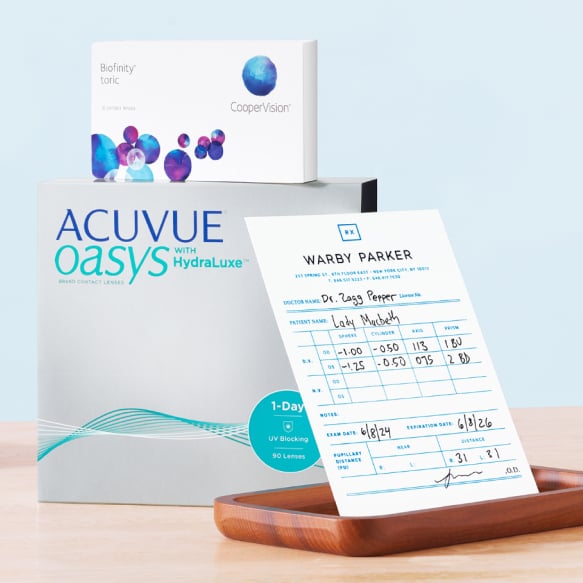
- Prescription validity and renewal timing
- Employer HSA contribution differences tied to plan elections
Enrollment season is the right moment to run this comparison. Mid-year changes are often limited, so a little planning now can prevent another year of low-value coverage.
It also helps to decide your priority for the coming year before enrollment closes. If your main goal is lowest cash outlay, insurance may still be a good route in some plans. If your main goal is steady supply and simpler reordering, direct purchase may be stronger. Naming that priority up front keeps your decision consistent.
Need new contacts?
We carry dozens of top brands
Vision Insurance Not Worth It for Contacts When Supply Math Fails
A good decision is the one that matches your real wear, real brand needs, and real annual cost. If insurance improves those outcomes, keep using it. If it adds complexity while costing more, a direct path is reasonable.
You do not need a broad anti-insurance stance to make this call. You only need clear math, plan-rule awareness, and a reliable way to keep the right lenses on hand.
Need fresh contacts?
We have all the top contacts brands—plus get 20% off your first order
Legal Disclaimer
MEDICAL DISCLAIMER: This content is provided for educational and informational purposes only and is not intended as medical advice, diagnosis, or treatment. This information should not be used to replace professional medical care or consultation. Individual results may vary significantly. Always consult with a qualified healthcare provider before making any decisions about your health, vision, or medical treatment. Never disregard professional medical advice or delay seeking treatment because of information you have read on this website.
VISION CARE DISCLAIMER: Vision correction needs vary by individual. Consult an eye care professional for personalized assessment and recommendations.
FDA DISCLAIMER: These statements have not been evaluated by the Food and Drug Administration. This content is not intended to diagnose, treat, cure, or prevent any disease or medical condition.
PROFESSIONAL CONSULTATION REQUIRED: Only qualified eye care professionals can provide personalized recommendations for your specific vision needs and health conditions.
This article is for informational purposes only. It is not intended to provide medical advice or substitute for professional health services. Warby Parker complies with all HIPAA regulations regarding your health information. For personal health questions or concerns related to your vision or eyewear prescriptions, please consult a qualified healthcare provider.
When is vision insurance not as worthwhile for contact lens wearers?
When premium, copays, and remaining out-of-pocket costs exceed direct annual lens cost or when plan restrictions block your prescribed brand.
How do you calculate whether vision insurance saves money on contacts?
Compare total annual insurance cost to direct per-day annual cost using your exact wear schedule and lens type.
Does vision insurance cover enough boxes to justify the premium?
It depends on allowance size, copay design, brand availability, and whether you actually use the full benefit period.
Can a subscription replace what vision insurance was supposed to do?
For many wearers, yes. It can improve supply reliability and price clarity while still requiring a valid prescription.
Need Glasses?
Shop prescription glasses starting at $95