Round Sunglasses: Iconic Styles and UV Lens Information
Certain accessories never fall out of favor, and round sunglasses are at the top of that list. From classic rock legends to minimalist modern dressers, this simple circular silhouette keeps returning because it can feel intentional, creative, and quietly confident.
This guide is designed to help you move beyond guesswork and choose round frames that look good and suit your everyday routine. You will see how to think about aesthetics, fit, and lens information so your next pair feels like a thoughtful addition to your everyday lineup.
We will walk through what to notice when buying round sunglasses, from lens labeling and UV-related information to frame materials and the subtle design details that influence how they sit on your face.
Need sunglasses?
Starting at $95, with free shipping.
By the end, you will have a clearer sense of which shapes, sizes, and finishes you prefer, how to read product specs with confidence, and what to keep in mind so your round sunglasses feel like a reliable everyday choice.
Why Round Sunglasses Stay in Style
Round frames are often chosen because they can soften angles and add personality without overwhelming your features. On sharper or square faces, they introduce contrast. On softer or oval faces, they echo natural curves for a harmonious, polished look.
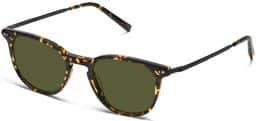
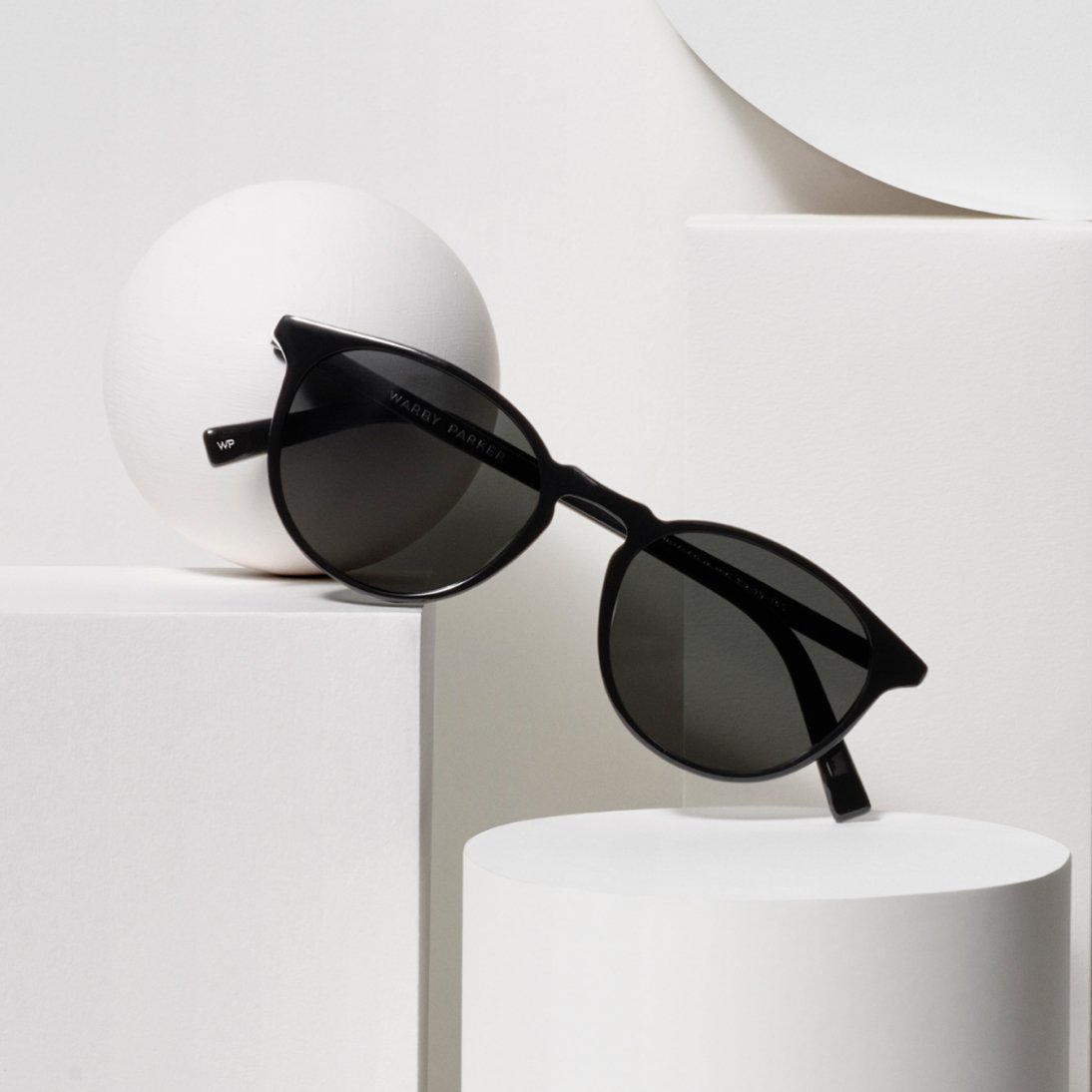
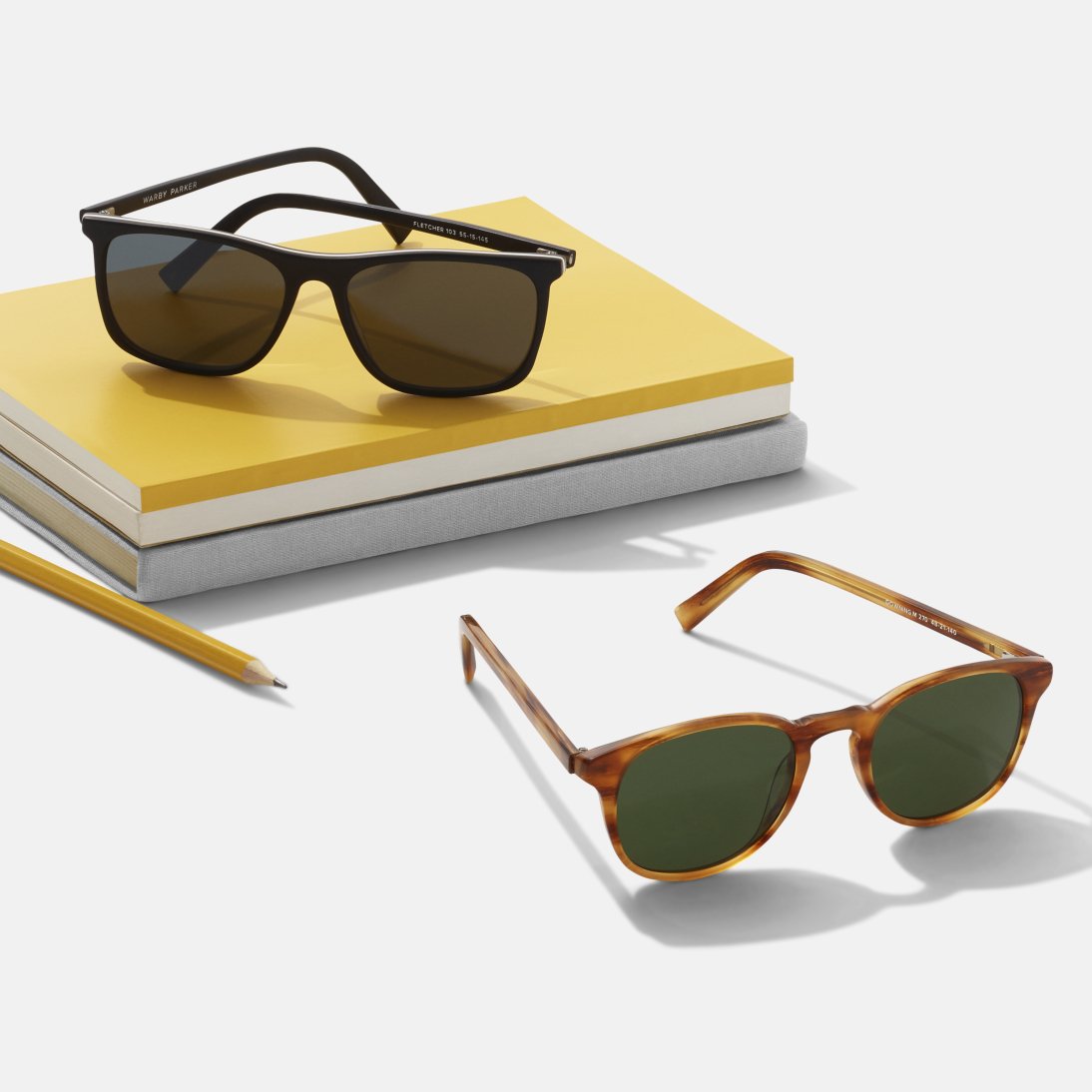
They are also versatile. Slim metal rounds can channel a vintage, artistic mood, while slightly oversized acetate rounds might feel more modern and urbane. Subtle changes, like a keyhole bridge, a mixed-material temple, or a translucent color, can shift the style from retro to contemporary in an instant.
Round sunglasses can work across a range of dress codes, too. A refined neutral frame can pair seamlessly with tailoring for the office, while tinted lenses and bolder hues can lean into weekend or vacation style. That flexibility makes them a versatile option you may reach for often.
Looking for sunglasses?
See how your favorite frames look on you—instantly!
Many people look for sunglasses that combine style with lenses labeled for UV-related performance. Round silhouettes can be scaled slightly larger to offer more coverage for the area around your eyes, while still feeling lightweight and easy to wear.
Choosing Round Sunglasses for Your Face and Lifestyle
Start with proportion. If your face is smaller, you might prefer compact or medium round lenses that do not extend far beyond your cheekbones. Larger faces often pair well with slightly oversized rounds that match the width of your face, rather than tiny “micro” circles that can feel undersized.
Face shape is your next cue. Angular or square faces may pair well with softer circles, while round faces often work with rounds that have subtle structure: think a flatter top line, a keyhole bridge, or a hint of a brow bar.
- Everyday wear: You might focus on lightweight frames, neutral colors, and lenses with clearly stated UV-related information.
- Travel and driving: Polarized lenses are designed to reduce glare from surfaces like roads and water and are often chosen by people who spend a lot of time in these environments.
- Outdoor activities: Some people prefer snug fits, grippy temples, and frames that offer more side coverage.
- Desk-to-dinner: Understated metal or polished acetate rounds can transition easily from work to evening.
Finally, think about comfort over hours, not minutes. Nose pads, bridge shape, and temple length all affect whether your sunglasses tend to stay in place or slide down. Taking a moment to check those details before you buy can help you choose a pair you reach for regularly.
Want to try sunglasses? It's free.
Virtually try on sunglases—anytime, anywhere
What to Look for in Lenses and UV Information
Lens details are an important part of choosing sunglasses. Many public health organizations recommend choosing shades that filter 99 to 100 percent of both UVA and UVB light, regardless of frame shape. That detail should appear clearly on the product description or tag.
Coverage plays a role in how sunglasses are described, too. Slightly larger round lenses can offer more coverage for the area around your eyes, including the eyelids and surrounding skin.
Bright out?
Sunny days have met their match
Final Thoughts on Round Sunglasses
When chosen thoughtfully, round sunglasses can offer a mix of timeless style, day-to-day comfort, and lens features such as clearly labeled UV-related information and coverage. Focusing on proportion, coverage, and what the product description says about UV performance can help you select a pair that fits your preferences.
Your next step is simple: narrow down to the frame size and material that feel right for your face and routine, then review lens details for information such as UV400 labeling or 100% UVA/UVB protection. From there, you can compare colors, finishes, and price points, knowing you have considered the basics.
If you found this guide useful, share it with someone considering their first pair of round sunglasses, or explore related content on fit, lens options, and care so you can make an informed choice that lasts more than one season.
Protect those peepers!
Our sunglasses come with a scratch-resistant coating and block 100% of UV rays
Legal Disclaimer
MEDICAL DISCLAIMER: This content is provided for educational and informational purposes only and is not intended as medical advice, diagnosis, or treatment. This information should not be used to replace professional medical care or consultation. Individual results may vary significantly. Always consult with a qualified healthcare provider before making any decisions about your health, vision, or medical treatment. Never disregard professional medical advice or delay seeking treatment because of information you have read on this website.
VISION CARE DISCLAIMER: Vision correction needs vary by individual. Consult an eye care professional for personalized assessment and recommendations.
FDA DISCLAIMER: These statements have not been evaluated by the Food and Drug Administration. This content is not intended to diagnose, treat, cure, or prevent any disease or medical condition.
PROFESSIONAL CONSULTATION REQUIRED: Only qualified eye care professionals can provide personalized recommendations for your specific vision needs and health conditions.
This article is for informational purposes only. It is not intended to provide medical advice or substitute for professional health services. Warby Parker complies with all HIPAA regulations regarding your health information. For personal health questions or concerns related to your vision or eyewear prescriptions, please consult a qualified healthcare provider.
Are round sunglasses flattering on every face shape?
Round frames can work on many faces when the size and bridge fit feel right. Adjusting lens width and frame details, like a keyhole bridge or thin metal rim, can help balance your natural features.
What size round sunglasses should I choose?
Match the overall frame width to your face width and avoid extremes. Smaller faces often suit narrow to medium rounds, while broader faces may pair better with slightly oversized lenses that reach toward the outer edges of the face.
Do round sunglasses offer the same UV-related features as other shapes?
UV-related information depends on the lenses and overall coverage, not the shape alone. Round sunglasses can include lenses labeled with UV400 or 100% UVA/UVB protection in the same way other frame shapes can, so it is helpful to check the product description or tag.
What does UV400 mean on round sunglasses?
UV400 indicates that the lenses are designed to filter wavelengths up to 400 nanometers, which generally corresponds to strong UVA and UVB protection, according to many product descriptions. It is a common shorthand used to describe UV-related performance.
Are polarized round sunglasses worth considering?
Polarized lenses are designed to reduce glare from surfaces such as roads, water, and glass, and are often chosen by people who spend time driving or outdoors near reflective surfaces. They do not replace UV-related features, so it is still important to review the UV information on the product.
Need Glasses?
Shop prescription glasses starting at $95