Frame Shape Vision Impact: Fit and Lens Guide
Most people choose eyeglass frames by asking a single question: Do these look good on me? Style is important, but it is only part of what makes a pair of glasses a good choice.
Frame shape does more than define your appearance. It can influence where your lenses sit in relation to your eyes, how much of your visual field is available through the lenses, and how naturally your eyes move through different viewing areas. The shape and size of a frame can also affect comfort, lens performance, and the overall visual experience.
These effects are often more noticeable for people with stronger prescriptions, progressive lenses, or daily activities that require sustained visual focus. Reading, computer work, driving, detailed tasks, and frequent shifts between near and distant objects can all make frame selection more important than many people realize.
Looking for new lenses?
Our glasses include prescription lenses with scratch-resistant, anti-reflective coatings
This guide explains the connection between frame shape, lens placement, and viewing zones. You will learn how different frame designs can influence the way lenses function, which features are worth comparing when shopping for eyewear, and how to choose frames that support both your visual needs and your personal sense of style. A well-chosen frame is not simply an accessory. It is part of the overall system that helps your lenses perform as intended.
Frame Shape Vision Impact and Lens Position
Frame shape affects where your eyes sit within the lenses. Many eye care professionals aim to align your pupils with the clearest part of the prescription. If a frame is too tall, too narrow, or sits too low, you may find yourself looking through areas of the lens that feel less natural.
This matters most with higher prescriptions because lens thickness and edge distortion can become more noticeable. A very large frame may look fashionable, but it can increase the amount of lens material around your eyes, which may affect how the glasses feel to wear.
Small frames may reduce the amount of visible lens material, but they may also limit the viewing area. For example, some people who spend a lot of time driving look for a shape that offers more side visibility than a very compact, fashion-forward frame.
Think you need glasses?
Time to check in with one of our friendly optometrists
A practical choice balances lens size, bridge fit, and eye placement. An optician can check measurements such as pupillary distance and fitting height to help confirm that the frame and lenses are aligned for your needs.
How Eyeglass Frame Styles Affect Peripheral Vision
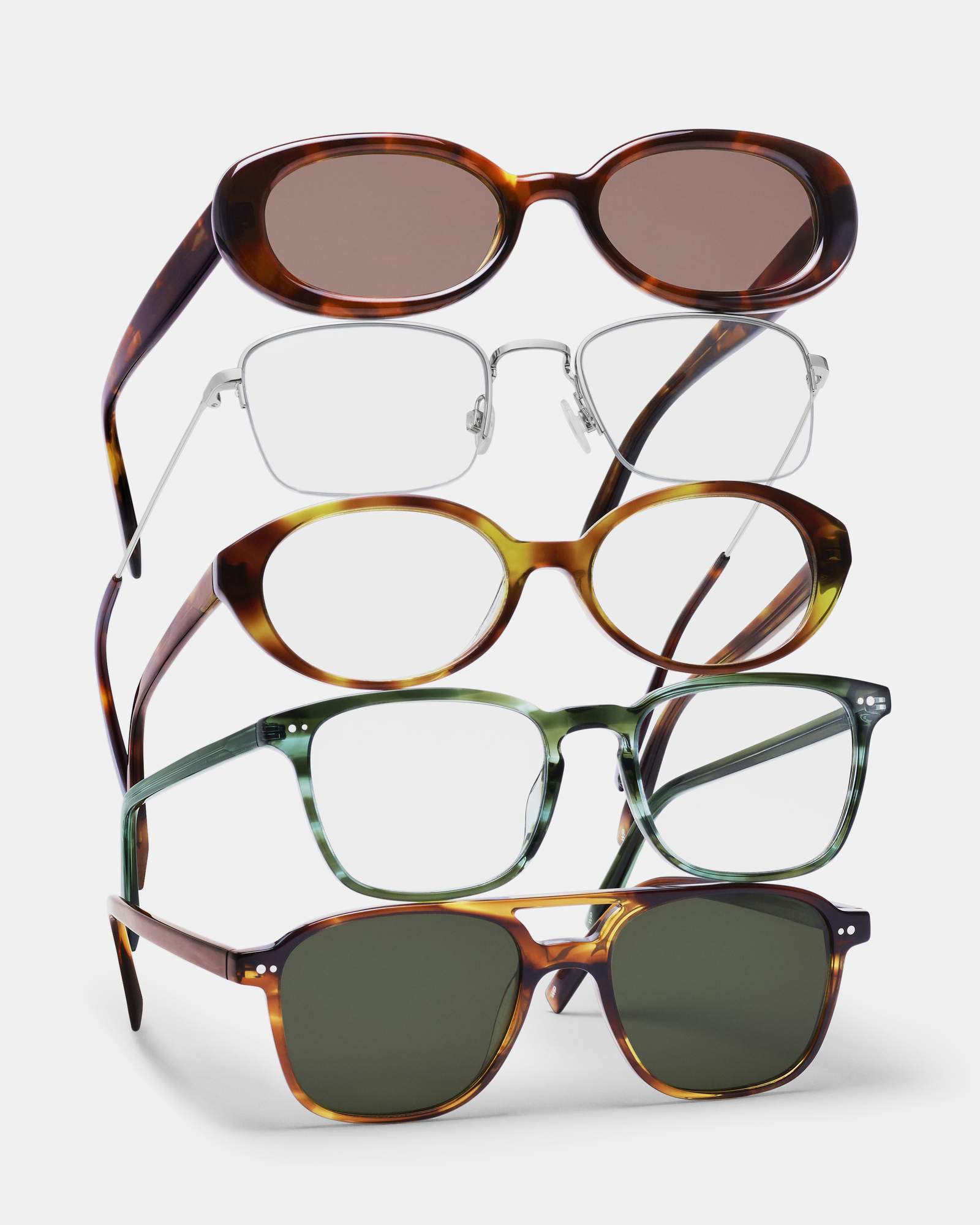
Different eyeglass frame styles can change how much you see around the edges of your lenses. Round, oval, rectangular, square, and cat-eye frames each create a different viewing window.
Wider frames may provide a wider viewing area through the lenses, but only if they fit your face correctly. If they slide down or sit too far from the eyes, you may experience glare, reflections, or a less stable viewing experience.
- Rectangular frames: Often provide a structured viewing area and are commonly used with many single-vision prescriptions.
- Round or oval frames: Can soften edge transitions but may feel smaller depending on lens height.
- Cat-eye frames: Stylish, but upward corners may affect usable lens space for some wearers.
- Oversized frames: Offer more coverage but may add weight and edge distortion with strong nearsighted prescriptions.
Choosing Frame Shapes for Progressive Lenses and Daily Use
Progressive lenses need enough vertical space for distance, intermediate, and near vision zones. If the frame is too shallow, these zones may feel compressed, which some wearers notice when reading or using screens. If the frame is too tall, the zones may feel too spread out, making it difficult for the eyes to comfortably travel the distance to look through the appropriate reading power.
For office workers, students, and frequent readers, many people choose medium-height frames because they can offer a practical balance. They give enough room for lens zones without feeling bulky. Some drivers look for a stable fit and wide side viewing areas.
Face shape still matters, but it should not override function. A frame that flatters your features and holds your lenses in the correct position may be more practical for everyday wear than a trend-driven shape that slips or pinches.
Need your glasses adjusted?
Bring your Warby Parker frames to one of our opticians for an expert fine-tuning
Frame Shape Can Impact Vision
Frame shape does more than influence your look. It also plays a role in how your lenses sit in front of your eyes, how much of your surroundings you see through the lenses, and how comfortable your glasses feel throughout everyday activities.
When shopping for a new pair, it helps to look beyond color and style. Frame size, lens depth, bridge fit, and your prescription can all affect how your glasses perform once you start wearing them. The right frame should feel like a natural extension of your vision, not something you have to think about.
If you are deciding between a few options, an eye care professional can help you evaluate fit and lens compatibility before you make your final choice.
Want to learn more? Explore related guides on frame fit, lens types, and prescription considerations. A little knowledge can go a long way toward finding glasses that look great, feel comfortable, and work well for the way you see the world.
Time for a style shake-up?
Retrofit your look with new eyeglasses or sunglasses
Legal Disclaimer
MEDICAL DISCLAIMER: This content is provided for educational and informational purposes only and is not intended as medical advice, diagnosis, or treatment. This information should not be used to replace professional medical care or consultation. Individual results may vary significantly. Always consult with a qualified healthcare provider before making any decisions about your health, vision, or medical treatment. Never disregard professional medical advice or delay seeking treatment because of information you have read on this website.
VISION CARE DISCLAIMER: Vision correction needs vary by individual. Consult an eye care professional for personalized assessment and recommendations.
FDA DISCLAIMER: These statements have not been evaluated by the Food and Drug Administration. This content is not intended to diagnose, treat, cure, or prevent any disease or medical condition.
PROFESSIONAL CONSULTATION REQUIRED: Only qualified eye care professionals can provide personalized recommendations for your specific vision needs and health conditions.
This article is for informational purposes only. It is not intended to provide medical advice or substitute for professional health services. Warby Parker complies with all HIPAA regulations regarding your health information. For personal health questions or concerns related to your vision or eyewear prescriptions, please consult a qualified healthcare provider.
Does frame shape really change what I see through my lenses?
Frame shape can influence how your lenses are positioned in front of your eyes and how much of the lens surface you typically look through. That, in turn, can affect which parts of the lens you use most often and how your viewing areas feel.
How does frame shape impact vision for strong prescriptions?
Strong nearsighted prescriptions result in lenses with more edge thickness and peripheral visual distortion in large frames. Strong farsighted prescriptions result in more central lens thickness and may cause the wearer’s eyes to have a magnified appearance in large frames. Smaller, well-centered frames may feel more comfortable for some wearers.
Are oversized glasses a problem for everyday use?
Not always. Oversized glasses can work well, but they may add weight or edge distortion depending on prescription strength.
Which frame shapes are commonly chosen for progressive lenses?
Many people who wear progressive lenses choose medium-depth frames because they can provide enough vertical room for progressive lens zones.
Can frame fit affect peripheral vision?
Yes. Frames that are too narrow, too small, or poorly positioned can reduce side visibility and comfort.
Need Glasses?
Shop prescription glasses starting at $95