Do Cheap Lenses Lead to Visual Discomfort?
Updated: September 8, 2026
A good pair of glasses should gradually disappear from your awareness. You put them on in the morning, go about your day, and rarely think about them again. When your glasses leave your eyes feeling tired, dry, strained, or unusually fatigued, that’s often a sign that something deserves a closer look.
It’s easy to assume that if you can technically see through your lenses, everything is working as it should. But comfort is an important part of vision, too. The quality of the lenses, the accuracy of the prescription, the fit of the frames, the coatings applied to the lenses, and even the visual demands of your daily routine can all influence how your eyes feel after hours of wear.
This is especially relevant when comparing different lens options. Lower-cost lenses can sometimes provide excellent results, but in certain situations they may involve compromises in optical performance, coatings, customization, or durability that become more noticeable over time. The goal is to understand which features may have the biggest impact on your comfort and visual experience.
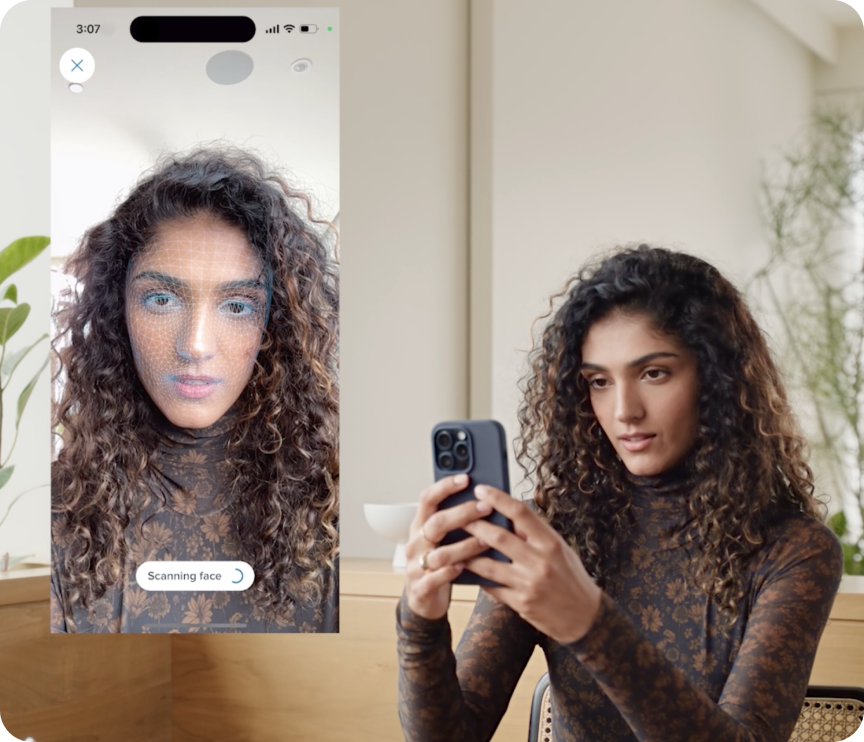
See how you look in our frames
Virtually try on glasses through your phone
In this guide, we’ll explore some of the reasons glasses can contribute to eye strain and discomfort, the warning signs that may be worth paying attention to, and the lens features and fitting considerations you may want to discuss with your eye care professional before choosing your next pair.
Because clear vision is only part of the equation. The right pair of glasses helps you see well and feel good while doing it.
How Cheap Lenses Eye Strain Can Happen
Not every affordable pair of glasses causes problems. However, very low-cost lenses may use basic materials, simplified manufacturing, or limited quality checks. Small optical imperfections may affect how things appear, especially during activities like reading, driving, or screen use.
Prescription accuracy also matters. Even a slight mismatch in lens power, pupillary distance, or lens alignment may be associated with experiences such as blurred vision, headaches, or feeling visually tired. If you notice these changes, it’s important to talk with an eye care professional. This is especially important for progressive lenses, astigmatism correction, and stronger prescriptions.
Lens coatings can affect comfort too. Without an anti-reflective (AR) coating, you may notice more reflections from screens, headlights, or overhead lighting. Poor scratch resistance can also reduce clarity over time.
Need new glasses?
Vitually try on frames in the comfort of your own home
Think of lenses like windows. If the surface is clear and correctly shaped, looking through them feels natural. If the surface is distorted, scratched, or poorly positioned, your eyes may constantly adjust without you realizing it.
Common Signs of Lens Discomfort and Eye Fatigue
Visual discomfort can be easy to dismiss as screen tiredness or lack of sleep. Still, if you notice that discomfort seems to occur primarily when you wear a specific pair of glasses, it can be a signal to have them reviewed by an eye care professional.
Watch for patterns. If discomfort improves when you remove the glasses, switch to an older pair, or avoid close work, the lenses or fit may need review.
- Headaches around the forehead or temples
- Blurred or “swimming” vision
- Difficulty focusing between near and far distances
- Increased glare while driving at night
- Neck strain from tilting your head to see clearly
These experiences can have many causes, not just your glasses. If you notice them, especially if they are new or worsening, it’s important to talk with an eye care professional, who can assess your eyes, prescription, and eyewear together.
With or without makeup…
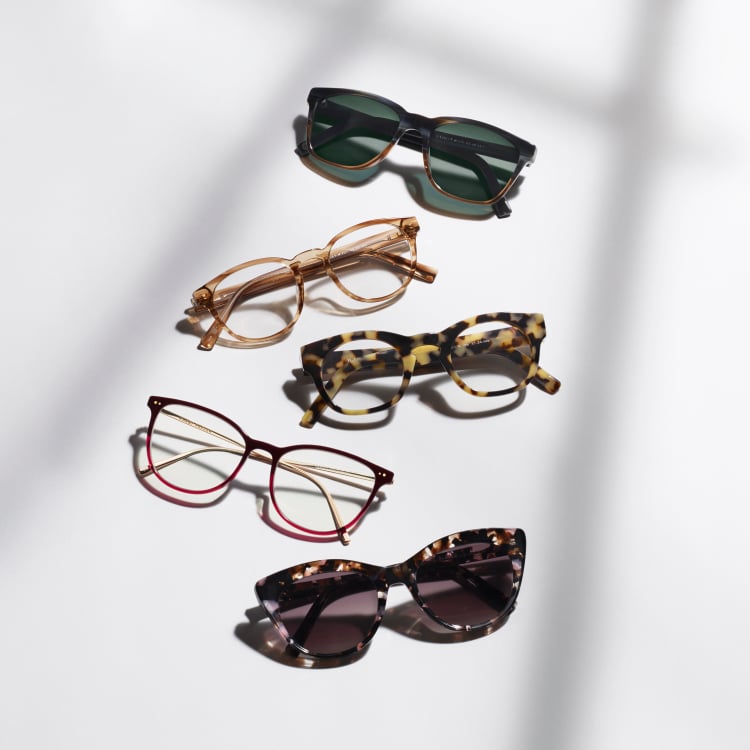
You can always express your style with your favorite frames
Choosing Lenses and Frames: Factors to Consider
Lens choices often depend on your prescription, lifestyle, and environment. A person who drives at night needs different support than someone who spends eight hours on a laptop. Price matters, but value should include comfort, clarity, and durability.
Ask your optician about lens material, coating options, and measurement accuracy. Features such as anti-reflective coating, lens thickness, UV filtering, and precise fitting can influence how your glasses look and feel to you. For progressive lenses, accurate placement is particularly important because each viewing zone must align with your eyes.
It is also wise to give new glasses a short adjustment period, especially if your prescription changed. However, persistent headaches, dizziness, or blurry vision should not be ignored. If you experience these changes, talk with an eye care professional. A professional fitting check can confirm whether the issue is the prescription, lens design, or frame position.
Did you know?
You can order our frames as readers or with non-prescription lenses at no additional cost
Avoiding Cheap Lenses Eye Strain
The relationship between price and comfort is rarely as simple as “cheap equals bad” or “expensive equals good.” Plenty of affordable glasses provide excellent vision, and plenty of premium glasses can cause problems if they aren’t made or fitted correctly.
What matters most is how well the lenses are manufactured, measured, and matched to your needs. Even small issues involving prescription accuracy, optical alignment, lens coatings, or frame fit can affect how your eyes feel after hours of reading, working, driving, or looking at screens. When those factors aren’t optimized, eye strain, fatigue, headaches, or visual discomfort can sometimes follow.
That’s why it’s important not to dismiss discomfort as something you simply have to get used to. Glasses should help your eyes work less, not ask them to work harder. If your eyewear consistently leaves you feeling tired or strained, an eye exam or lens evaluation can help identify whether a prescription update, frame adjustment, or different lens option may improve your experience.
In many cases, the solution is smaller than people expect. A measurement adjustment, a different coating, or a lens design better suited to your daily routine can sometimes make a noticeable difference in comfort.
The goal is to find glasses that work so naturally that you stop thinking about them altogether. If you’d like to learn more, explore our guides on lenses for screen use, driving, everyday wear, and the features that can help support comfortable vision throughout the day.
Peep this
We offer prescription glasses starting at $95, with free shipping and free returns
Legal Disclaimer
MEDICAL DISCLAIMER: This content is provided for educational and informational purposes only and is not intended as medical advice, diagnosis, or treatment. This information should not be used to replace professional medical care or consultation. Individual results may vary significantly. Always consult with a qualified healthcare provider before making any decisions about your health, vision, or medical treatment. Never disregard professional medical advice or delay seeking treatment because of information you have read on this website.
VISION CARE DISCLAIMER: Vision correction needs vary by individual. Consult an eye care professional for personalized assessment and recommendations.
FDA DISCLAIMER: These statements have not been evaluated by the Food and Drug Administration. This content is not intended to diagnose, treat, cure, or prevent any disease or medical condition.
PROFESSIONAL CONSULTATION REQUIRED: Only qualified eye care professionals can provide personalized recommendations for your specific vision needs and health conditions.
This article is for informational purposes only. It is not intended to provide medical advice or substitute for professional health services. Warby Parker complies with all HIPAA regulations regarding your health information. For personal health questions or concerns related to your vision or eyewear prescriptions, please consult a qualified healthcare provider.
Can cheap lenses cause eye strain?
Some people report visual discomfort such as blurry vision, headaches, or feeling visually tired when wearing certain lower-priced lenses. Factors like optical quality, measurements, coatings, or lens design may be involved. Because these experiences can have many causes, it’s important to talk with an eye care professional if you notice changes in how you feel while wearing your glasses.
How do I know if my glasses are causing headaches?
If headaches begin after wearing your glasses and improve when you remove them, ask an optician to check prescription accuracy, lens alignment, and frame fit.
Is cheap lens eye strain worse for computer users?
People who spend long periods on screens may be more likely to notice visual discomfort from factors like glare, reflections, or small prescription errors because they spend long periods at fixed distances.
Do anti-reflective coatings help reduce eye fatigue?
Anti-reflective coatings are designed to reduce reflections from screens, headlights, and bright indoor lighting, which some people find makes their glasses more comfortable to wear.
Should new glasses feel uncomfortable at first?
Mild adjustment can be normal for a few days. If you experience ongoing dizziness, blurred vision, headaches, or other concerning changes, you should talk with an eye care professional to rule out underlying issues and review your eyewear.
Need Glasses?
Shop prescription glasses starting at $95