Why Your Glasses Work Indoors but Not Outdoors
Updated: September 23, 2026
Your glasses may feel wonderful indoors. You can read comfortably, work at your computer, and move around the house without giving them a second thought. Then you step outside, and suddenly the experience changes. The sunlight feels harsh. Distant objects don’t seem as crisp as expected. Glare bounces off cars, windows, or pavement. Something about your vision just feels different.
If that sounds familiar, you’re noticing something many people discover: seeing well indoors and seeing well outdoors aren’t exactly the same visual challenge.
Outdoor environments place different demands on your eyes. Bright sunlight, rapidly changing distances, reflections, shadows, weather conditions, and wide-open spaces can all reveal visual issues that aren’t as noticeable in a controlled indoor setting. In some cases, the explanation may involve your lenses. In others, it may relate to your prescription, eye comfort, or the way your eyes adapt to changing light levels.
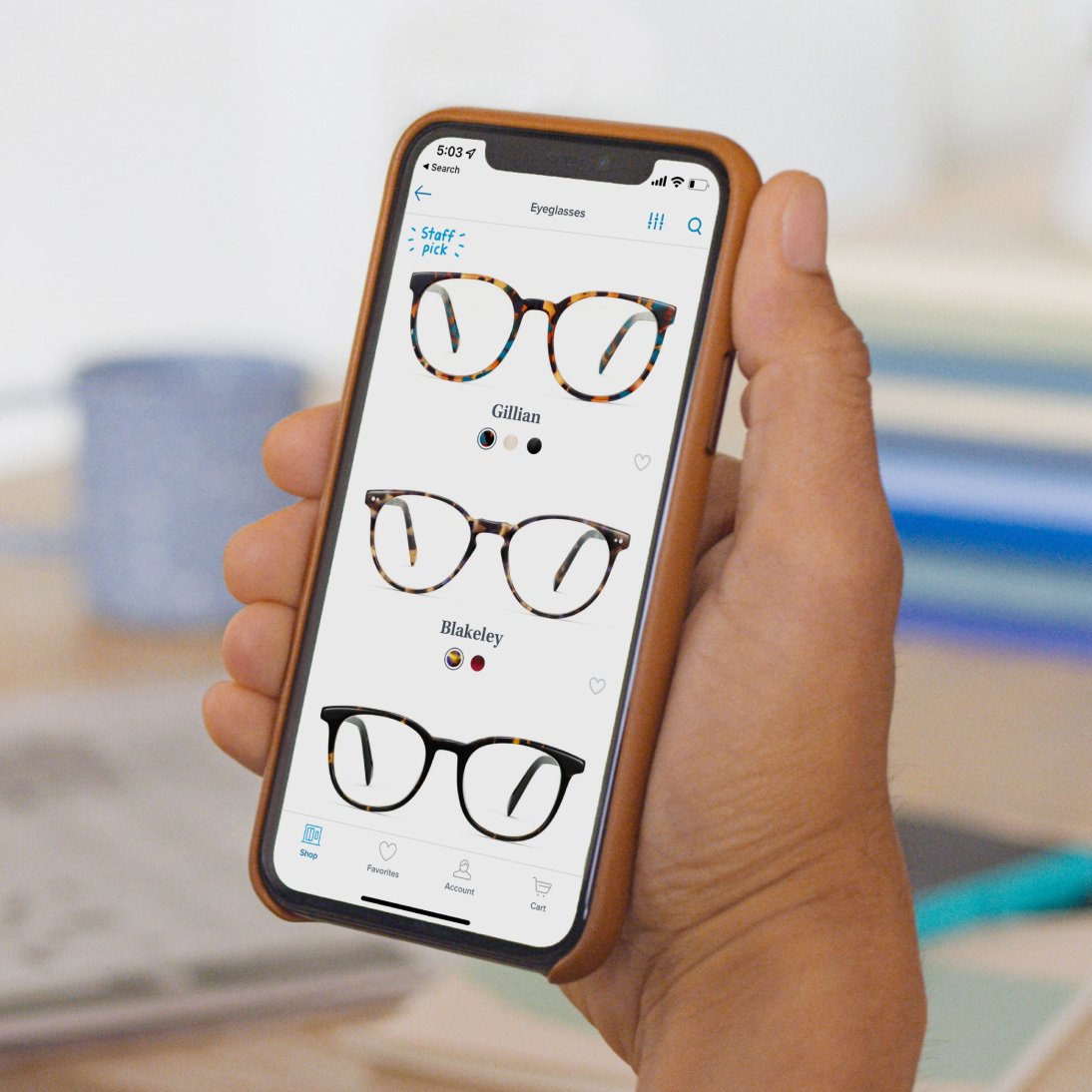
See how you look in our frames
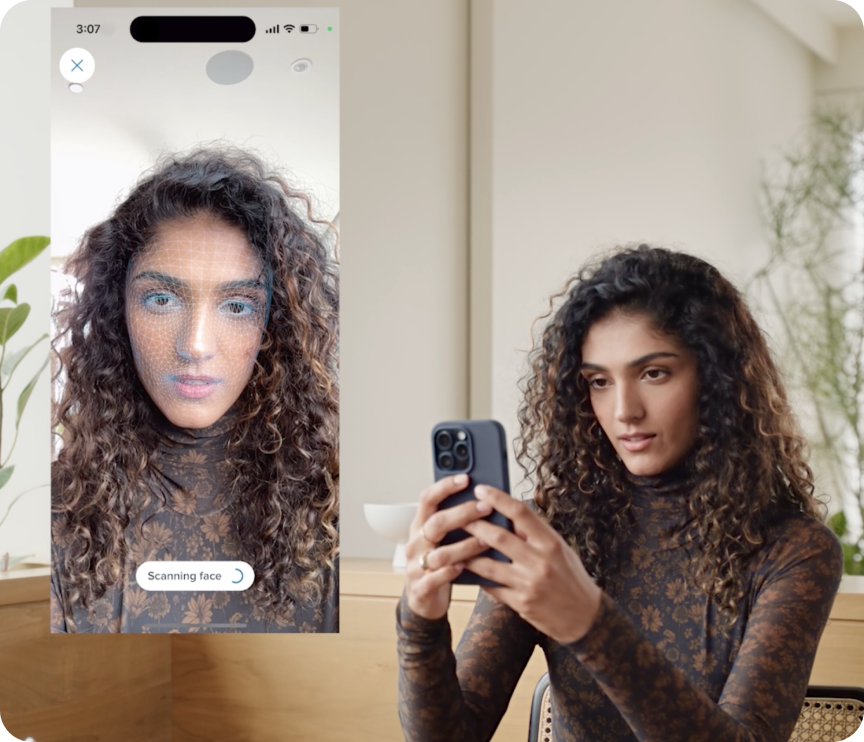
Virtually try on glasses through your phone
In this guide, we’ll explore some of the most common reasons glasses can feel different indoors and outdoors, the role lens coatings and lens designs may play, signs that may deserve closer attention, and practical steps you can take before discussing your concerns with an eye care professional.
Because good vision doesn’t happen in a single lighting condition – it needs to work everywhere your day takes you.
Why Glasses Feel Different Indoor Outdoor in Natural Light
Bright light can change how your eyes respond, and some people feel that this makes them more aware of small prescription changes, lens scratches, coating wear, or distortion near the edge of the lens.
Another factor is visual demand. Indoors, you may look mostly at screens, books, or people nearby. Outdoors, you may need distance clarity for signs, traffic, uneven pavement, or sports. A prescription that seems fine at a desk may feel different when you are looking much farther away.
Light sensitivity can also play a role. It can be related to factors such as dry eyes, allergies, certain medications, migraines, or other eye health concerns, and may make outdoor light feel harsh even for people who usually see clearly with their glasses. Persistent discomfort should be reviewed by a qualified eye care provider.
Want to try on a few frames?
Try on any pair virtually from home
Lens Coatings, Tints, and Glare Problems Outdoors
Your lenses may be one of the biggest reasons your glasses behave differently outside. Standard clear lenses are typically designed to help you see clearly, but they are not specifically designed to address outdoor glare. That is why two people with the same prescription may have very different outdoor experiences.
Anti-reflective (AR) coatings are designed to reduce reflections on the lens surface, while polarized sunglasses are often used to reduce glare from horizontal surfaces such as roads or water. Photochromic lenses are designed to darken in response to ultraviolet (UV) light, although performance can vary depending on temperature, lens material, and whether you are behind a windshield.
- Glare while driving: People who notice this sometimes ask an eye care professional about prescription sunglasses or polarized lenses.
- Squinting in sunlight: People who notice this sometimes talk with an eye care professional about tinted or photochromic options.
- Halos or reflections: An eye care professional can help you review anti-reflective coating quality and lens condition.
- Outdoor blur only: An eye care professional can help confirm your distance prescription and lens measurements.
When Prescription or Fit Causes Indoor Outdoor Vision Changes
Sometimes the issue is not sunlight alone. A small change in prescription can be easier to ignore indoors and harder to tolerate outdoors. This is especially true for people who drive often, work on screens all day, or rely on progressive lenses.
Fit also matters. If frames slide down your nose, sit crooked, or place the lenses too far from your eyes, your vision can shift. Progressive and multifocal lenses are particularly sensitive to lens height and alignment. Outdoors, where you look around more actively, these fit issues may become obvious.
Lens material and design can also influence comfort. High prescriptions, larger frames, curved sunglasses, or older lenses may create peripheral distortion. If your glasses are new, allow a reasonable adjustment period, but do not ignore severe blur, headaches, dizziness, or unsafe driving vision.
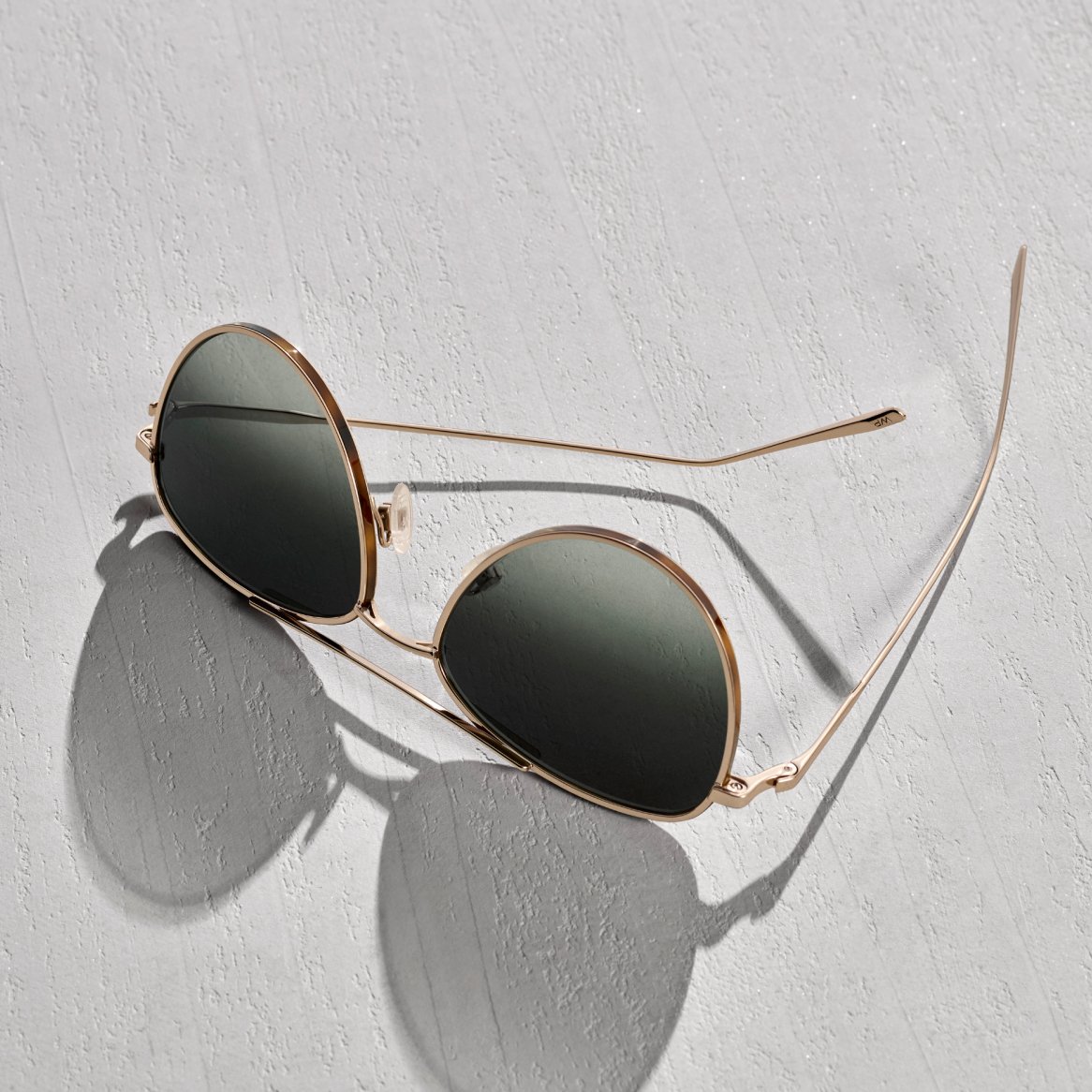
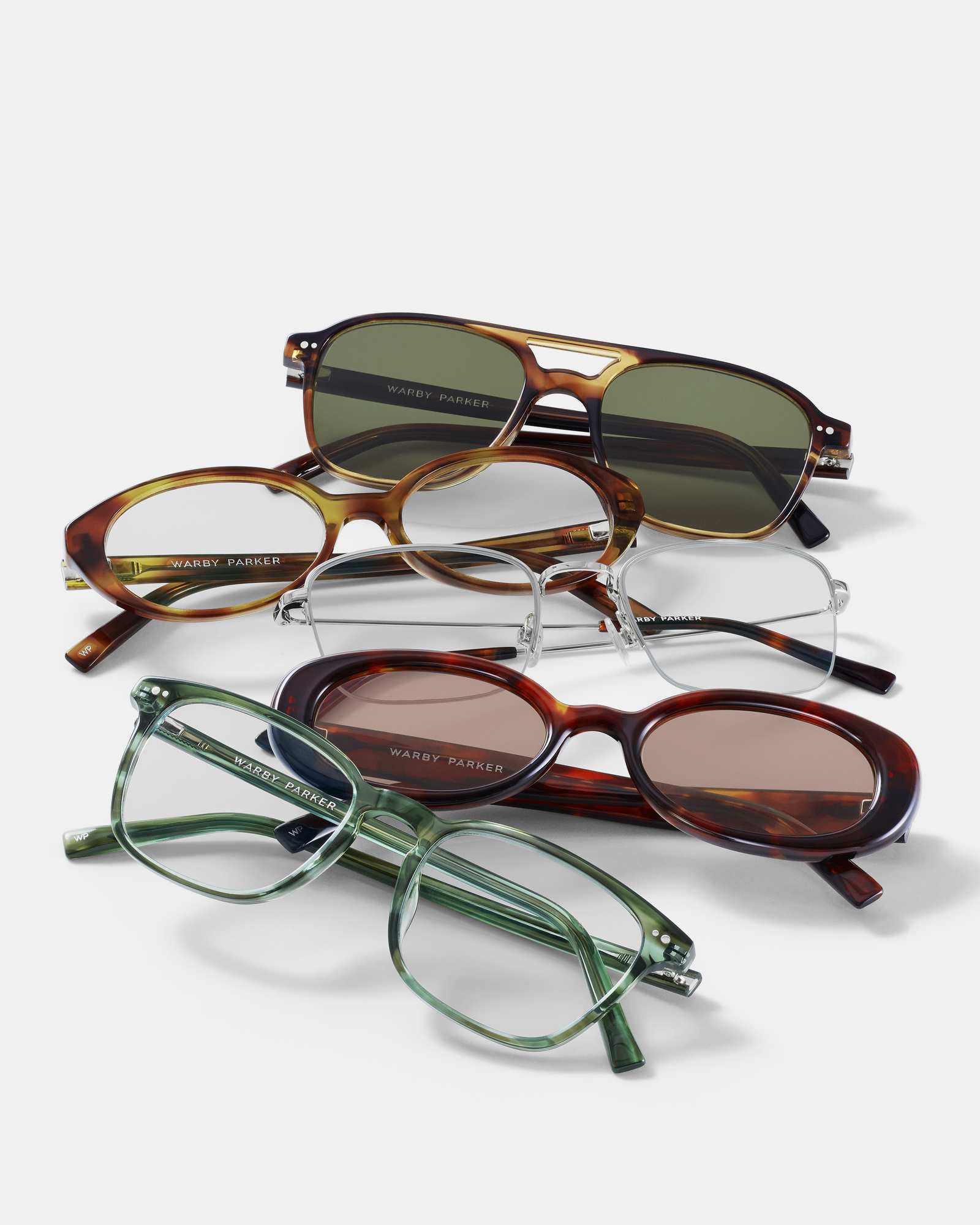
Want the look? (Even if you're not a pilot.)
We offer endless iterations—in both materials and lens shapes—of the adventurous aviator
Moving More Smoothly Between Indoor and Outdoor Vision
Vision doesn’t happen in a laboratory. It happens on sunny sidewalks, behind windshields, across parking lots, on hiking trails, and in the constantly changing light of everyday life. That’s why a pair of glasses that feels good indoors can sometimes reveal unexpected challenges once you step outside.
When outdoor vision feels less comfortable than indoor vision, the explanation may involve several factors working together. Bright light can expose subtle prescription issues. Reflections and glare can reduce visual clarity. Lens coatings, sunglasses options, frame positioning, and even eye dryness can all influence how comfortably you see in outdoor environments.
One of the most useful things you can do is become a careful observer of your own experience. Does the problem occur only in bright sunlight? While driving? Looking into the distance? Around reflective surfaces such as water, glass, or pavement? These details can provide valuable clues and help an eye care professional identify potential solutions more quickly.
If outdoor blur, glare, squinting, or visual discomfort is affecting your confidence, safety, or daily activities, consider scheduling an eye exam or having your glasses checked. Bringing your current eyewear and describing specific situations where your vision seems to struggle can often lead to a more productive conversation than simply saying, “My glasses don’t work outside.”
After all, great eyewear should keep up with your life – not just your living room. If you’d like to learn more, explore our guides on glare reduction, prescription sunglasses, lens coatings, and other options designed to help you see comfortably wherever the day takes you.
Reduce reflections and glare
Our lenses come standard with anti-reflective coating
Legal Disclaimer
MEDICAL DISCLAIMER: This content is provided for educational and informational purposes only and is not intended as medical advice, diagnosis, or treatment. This information should not be used to replace professional medical care or consultation. Individual results may vary significantly. Always consult with a qualified healthcare provider before making any decisions about your health, vision, or medical treatment. Never disregard professional medical advice or delay seeking treatment because of information you have read on this website.
VISION CARE DISCLAIMER: Vision correction needs vary by individual. Consult an eye care professional for personalized assessment and recommendations.
FDA DISCLAIMER: These statements have not been evaluated by the Food and Drug Administration. This content is not intended to diagnose, treat, cure, or prevent any disease or medical condition.
PROFESSIONAL CONSULTATION REQUIRED: Only qualified eye care professionals can provide personalized recommendations for your specific vision needs and health conditions.
This article is for informational purposes only. It is not intended to provide medical advice or substitute for professional health services. Warby Parker complies with all HIPAA regulations regarding your health information. For personal health questions or concerns related to your vision or eyewear prescriptions, please consult a qualified healthcare provider.
Why do my glasses work indoors but not outside?
Outdoor light, glare, longer viewing distances, and reflective surfaces can reveal prescription, lens coating, or fit issues that are less noticeable indoors.
Can glare make my prescription glasses seem wrong?
Some people find that glare makes it harder to see clearly, even when they usually see well with their glasses.
Do I need different glasses for indoor outdoor use?
Some people choose prescription sunglasses, photochromic lenses, or anti-reflective coatings, depending on their preferences and daily activities. An eye care professional can help you explore these options.
Why are my eyes sensitive to light outside with glasses?
Light sensitivity can be related to factors such as dry eyes, migraines, allergies, medications, lens issues, or other eye health concerns. An eye care professional can evaluate your light sensitivity and discuss next steps.
Can progressive lenses cause outdoor vision problems?
Progressive lenses can feel different outdoors if the fit, lens height, or viewing zones are not aligned well with your eyes and habits.
Need Glasses?
Shop prescription glasses starting at $95