Do you seem to struggle to find glasses that don’t pinch, bow out, or look tiny on your face? If your face is on the broader side, the wrong frames can feel uncomfortable and look out of proportion fast.
This guide is designed to help you skip that frustration and narrow down frames that fit comfortably and feel like you. You’ll learn how to read frame sizes, which shapes flatter wide faces, and which small details can affect how comfortable a frame feels.
We’ll break down what to look for in glasses for wider faces, from width and bridge design to style choices that balance your features and highlight your eyes.
By the end, you’ll have a clearer idea of what to look for when shopping online or in-store, plus quick tests to tell if a frame works the second you put it on.
How to Tell If You Have a Wide Face (and Why Frame Width Matters)
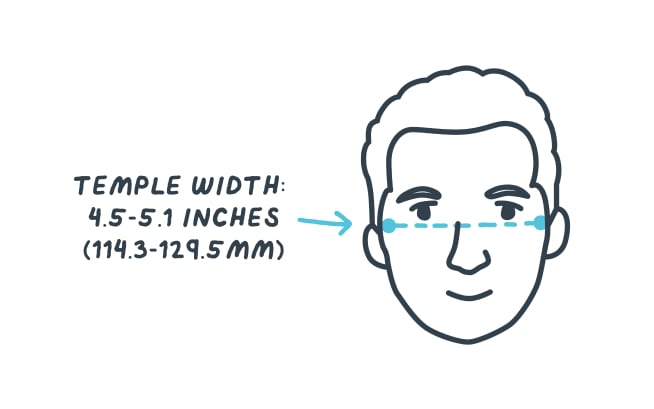
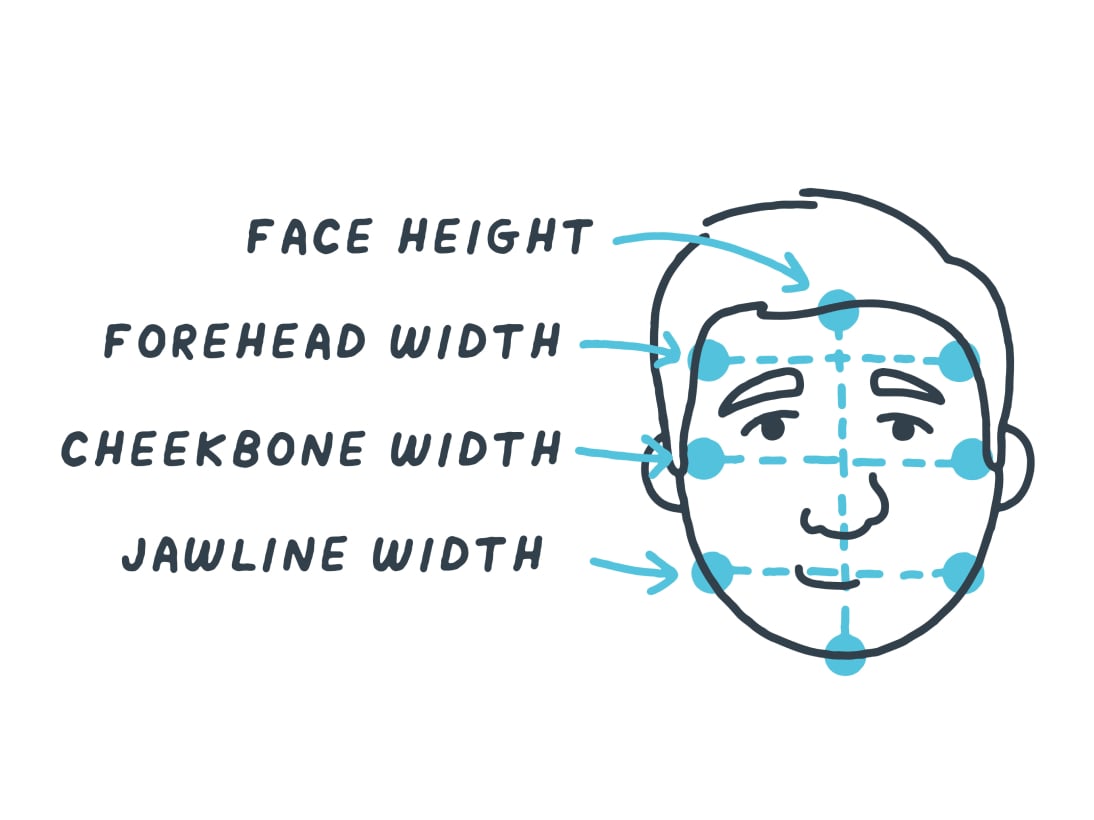
You don’t need a professional fitting to get a general sense of whether you have a wide face. Stand in front of a mirror and look at three areas: temples, cheekbones, and jaw. If your face looks noticeably broader than average across one or more of these zones, you may find that wider frames feel more comfortable and look more proportional.
A practical way to confirm this is to check how most standard frames sit on you. If the temples (arms) flare out, the fronts feel tight on your cheeks, or the lenses look small compared to your features, you’re probably wearing frames that are too narrow.
Many eyewear styling guides note that choosing frames that line up with your facial width can create a more balanced look. Your frame should be equal or slightly wider than the broadest part of your face for a flattering look and comfortable fit. For many wide faces, that “broadest part” is the cheekbone area.
When you’re browsing, look at the total frame width (often around 135-145 mm for wide faces) and try on frames that visually line up with the broadest part of your face without dramatically overhanging your temples.
Frame Shapes and Styles for Wide Faces
Once you’re in the right width range, shape is the next big decision. For wide faces, that usually means aiming for visual balance and definition rather than making everything look even broader.
Rectangular and slightly angular frames are a popular option for wide, round, or full faces because they can add structure and the appearance of length. If your face is wide and short, a frame that’s a bit narrower vertically with a strong brow line can subtly elongate your features.
- Rectangular & square frames: Can add definition to soft, wide features and create a more structured look.
- Cat-eye & upswept styles: Draw attention upward and can create a more tapered appearance along the jaw or cheeks.
- Wayfarer-style frames: Balanced choice for wide faces that want a classic look.
- Soft-round frames: A good option if you have a wide but angular face and want to soften sharp lines.
If your face is both wide and angular (square or rectangular), rounded or oval frames can soften strong angles. If your face is wide and more rounded, choosing more angular frames can help your glasses stand out and add definition.
Fit Details That Can Help Wide Frames Feel More Comfortable
Even the most flattering shape won’t work if the fit isn’t right. For wide faces, the three key fit points are the bridge (across your nose), the temples (arms), and how the frame front rests on your cheeks.
Start with the bridge. A bridge that’s too narrow can leave pressure marks or feel uncomfortable, and it may make the frame sit too high. A slightly wider keyhole or saddle bridge often works well for wider faces because it distributes weight across a broader area.
Next, check temple length and angle. Temples should extend straight back before curving gently around your ears, without digging in. If they bow outward a lot just to reach your ears, the frame front is too narrow.
Finally, assess cheek contact. Frames that rest heavily on your cheeks may slide more easily and feel less comfortable.
Key Takeaways and Next Steps for Finding Glasses for Wide Faces
Finding glasses that work well for wider faces generally comes down to two things: proportional width and intentional styling. Look for frames whose total width lines up with or slightly exceeds your broadest facial area, then choose shapes that either add definition (rectangular, cat-eye) or soften sharper angles (round, oval) depending on your features.