How to Maximize Vision Insurance Benefits
Vision insurance is one of those benefits that’s easy to forget about, right up until the moment it resets. By then, an eye exam you meant to schedule, a pair of glasses you’ve been putting off, or a contact lens allowance you never used may no longer be available.
That’s why it can be worth taking a closer look at your coverage before the year ends. Many vision plans include benefits that renew on a schedule, and unused allowances often don’t roll forward. In other words, benefits you’ve already paid for through premiums or workplace coverage may simply expire if they aren’t used.
If you’re wondering how to get the most value from your vision plan, the first step is understanding exactly what your coverage includes. Depending on your plan, that may mean annual eye exams, allowances for frames or lenses, discounts on lens upgrades, contact lens benefits, or other vision-related services. Knowing what’s available can make it easier to decide whether now is the right time to schedule an appointment or update your eyewear.
Looking for daily lenses?
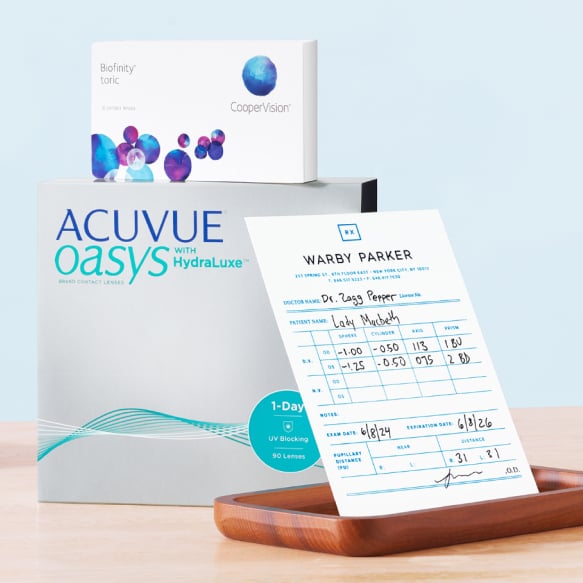
We carry daily contacts from top brands
In this guide, we’ll explore some of the most commonly overlooked vision benefits, explain how coverage periods and benefit resets often work, and share practical ways to evaluate your options before your eligibility window closes. A few minutes spent reviewing your benefits today could help you avoid leaving value on the table tomorrow.
Why Unused Vision Insurance Benefits Can Lead to Regret
Many vision plans are designed around annual or scheduled benefits, such as routine eye exams, lens allowances, frame allowances, or contact lens contributions. If you do not use them within the benefit period, they may not roll over.
The regret usually comes from realizing you paid premiums or accepted employer-sponsored coverage but did not receive the covered services or eyewear-related coverage available to you.
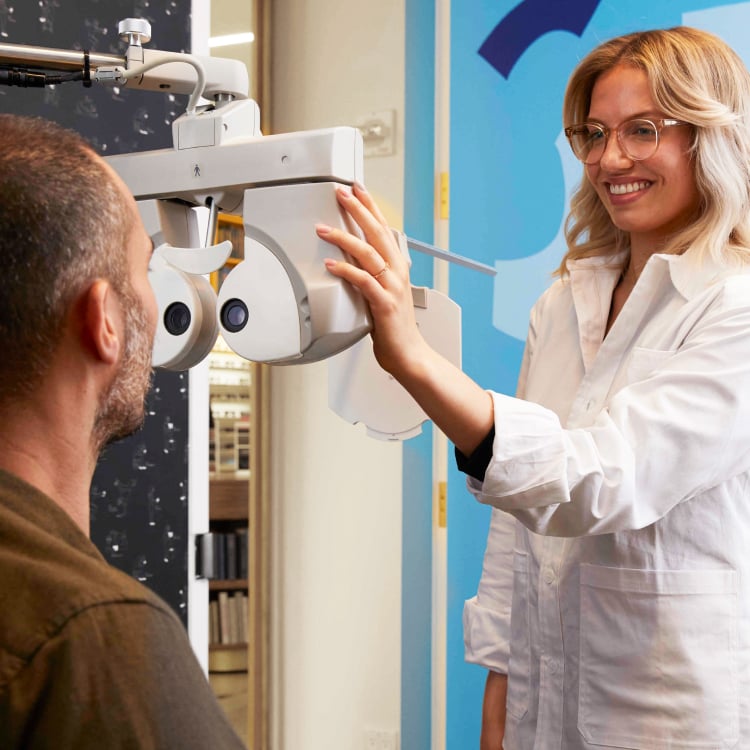
Many people use comprehensive eye exams to learn more about their current vision and prescription. Exams can also give you information that you may want to discuss further with an eye care professional.
Need fresh contacts?
We have all the top contacts brands—plus get 20% off your first order
For example, someone who waits another year to replace scratched lenses may find them visually distracting or less enjoyable to wear. Using benefits on time can be one way to keep your eyewear up to date with your preferences.
How to Use Eye Exam Coverage and Eyewear Allowances Wisely
Start by reviewing your plan documents or calling your provider. Look for exam frequency, frame allowance, lens coverage, contact lens options, copays, and network rules.
Then match your benefits to your actual needs. If your prescription has changed, lenses may matter most. If your frames are worn, the frame allowance may create meaningful savings.
- Schedule your annual eye exam before the plan year ends.
- Ask whether glasses or contacts provide the better value under your plan.
- Confirm which providers are in the network before booking.
- Check whether lens upgrades, such as anti-reflective coating, are covered or discounted.
- Use flexible spending account funds, if available, only for eligible costs.
A small amount of planning can prevent rushed decisions in December, when appointment availability may be limited.
Shop contact lenses
Shop daily, bi-weekly, and monthly optiojns from the top brands
Smart Timing: When to Schedule Before Vision Benefits Expire
Timing matters because many plans reset at the end of the calendar year or another defined benefit cycle. Waiting until the final week may limit your appointment choices and delay eyewear orders.
If your glasses are worn or damaged, or you are thinking about updating your eyewear, consider your plan’s timing instead of waiting until the last minute. Booking earlier gives you space to compare frame options, ask questions, and understand out-of-pocket costs.
Families should plan even further ahead. Coordinating exams for adults and children can help everyone use eligible vision insurance benefits without last-minute stress.
Have you considered dailies?
No sweat. No mess. No cleaning solution required.
Max Out Those Vision Insurance Benefits
Learning how to maximize your vision insurance benefits can help you make better use of coverage that’s already available to you. A little planning can go a long way toward reducing eyewear costs, staying current with eye care, and avoiding the frustration of letting valuable benefits expire.
Start by reviewing the details of your plan. Check when your benefits renew, confirm any allowances for frames, lenses, or contact lenses, and verify whether an eye exam is covered. Many people are surprised to discover they have benefits available that they haven’t fully used.
If your coverage period is approaching its reset date, consider scheduling an appointment with an in-network provider sooner rather than later. Waiting until the last minute can limit appointment availability and reduce your options for using eligible benefits before they expire.
The most effective strategy is often the simplest: understand what your plan offers, keep track of important dates, and make decisions before time-sensitive benefits disappear. Whether you’re considering new glasses, contact lenses, or a routine eye exam, knowing your coverage can help you make more informed choices.
For additional information, explore our related resources on eye exams, prescription eyewear, contact lenses, and vision insurance coverage. The more familiar you are with your benefits, the easier it becomes to get the full value from your plan.
Need new contacts?
We carry dozens of top brands
Legal Disclaimer
MEDICAL DISCLAIMER: This content is provided for educational and informational purposes only and is not intended as medical advice, diagnosis, or treatment. This information should not be used to replace professional medical care or consultation. Individual results may vary significantly. Always consult with a qualified healthcare provider before making any decisions about your health, vision, or medical treatment. Never disregard professional medical advice or delay seeking treatment because of information you have read on this website.
VISION CARE DISCLAIMER: Vision correction needs vary by individual. Consult an eye care professional for personalized assessment and recommendations.
FDA DISCLAIMER: These statements have not been evaluated by the Food and Drug Administration. This content is not intended to diagnose, treat, cure, or prevent any disease or medical condition.
PROFESSIONAL CONSULTATION REQUIRED: Only qualified eye care professionals can provide personalized recommendations for your specific vision needs and health conditions.
This article is for informational purposes only. It is not intended to provide medical advice or substitute for professional health services. Warby Parker complies with all HIPAA regulations regarding your health information. For personal health questions or concerns related to your vision or eyewear prescriptions, please consult a qualified healthcare provider.
How do I know what my vision insurance covers?
Check your benefits summary, insurer portal, or employer materials. Confirm exam coverage, copays, frame or lens allowances, and network requirements.
How to maximize vision insurance benefits before they expire?
Schedule an eye exam, use eligible eyewear allowances, choose an in-network provider, and ask about covered lens options before the benefit period ends.
Do vision insurance benefits roll over?
Many plans do not roll over unused benefits. Review your specific plan rules so you know whether unused allowances expire.
Should I choose glasses or contacts with my benefit?
Consider what you prefer to wear day to day and how each option is covered under your plan. Some plans cover one option more generously than the other.
Can an eye exam find more than vision changes?
Comprehensive eye exams can provide information about your eye health, in addition to your vision changes, that you can review with an eye care professional.
Need Glasses?
Shop prescription glasses starting at $95