Lens Color Depth Perception: What to Know
Not all lenses change the way the world looks in the same way. A simple shift in lens color can influence brightness, contrast, color perception, and how easily certain details stand out in different environments.
That’s one reason lens tint selection can feel surprisingly personal. Two people wearing different lens colors may describe the same scene in very different ways. One might prefer a lens that makes contrast appear stronger, while another may favor a tint that feels more natural or comfortable in bright conditions.
This guide explores the relationship between lens color and depth perception, specifically how different tints are often associated with changes in the way people perceive contrast, distance, movement, and visual detail. While no lens color can magically improve vision, certain tints may be better suited to particular lighting conditions, environments, and activities.
Reduce reflections and glare
Our lenses come standard with anti-reflective coating
Whether you’re choosing sunglasses for driving, sports eyewear for outdoor activities, protective lenses for work, or simply looking for a more comfortable visual experience outdoors, understanding the basics can help narrow your options. We’ll explain how lens color, light transmission, contrast, and environmental conditions interact, along with practical ways to compare different lenses before making a purchase.
The goal is to understand which lens characteristics may be a good match for the places you go, the activities you enjoy, and the way you prefer to see the world around you.
How Lens Color Depth Perception Works
Depth perception is the brain’s ability to estimate distance and spatial relationships. It relies on both eyes working together, along with visual clues such as shadows, size, motion, and contrast.
Lens color does not create depth perception on its own, but it can change the information reaching the eyes. A tint can change how colors and brightness appear, which may make objects look more or less distinct to some wearers.
For example, a brown or amber lens is commonly described as increasing contrast in variable light. Some people report that these tints make features like road edges, trails, or uneven ground stand out more in their field of view. Gray lenses are often chosen by people who prefer a more neutral look that keeps color balance closer to what they see without tinted lenses.
Farsighted?
We’ve got glasses (and contacts) for that
The effect varies by person and setting. A tint that feels visually sharp on a cloudy golf course may feel too intense while driving at dusk. That is why lens color is often chosen with specific activities and light conditions in mind.
Lens Tint, Contrast, and Visual Comfort
Contrast is one way we separate one object from another. For example, it affects how easily a dark object stands out from a light background. Changes in contrast can affect how clearly steps, curbs, balls, signs, or moving objects appear against what is around them.
Different lens colors are associated with different ways people describe contrast and brightness. A suitable option depends on the lighting, the task, and whether color accuracy is important.
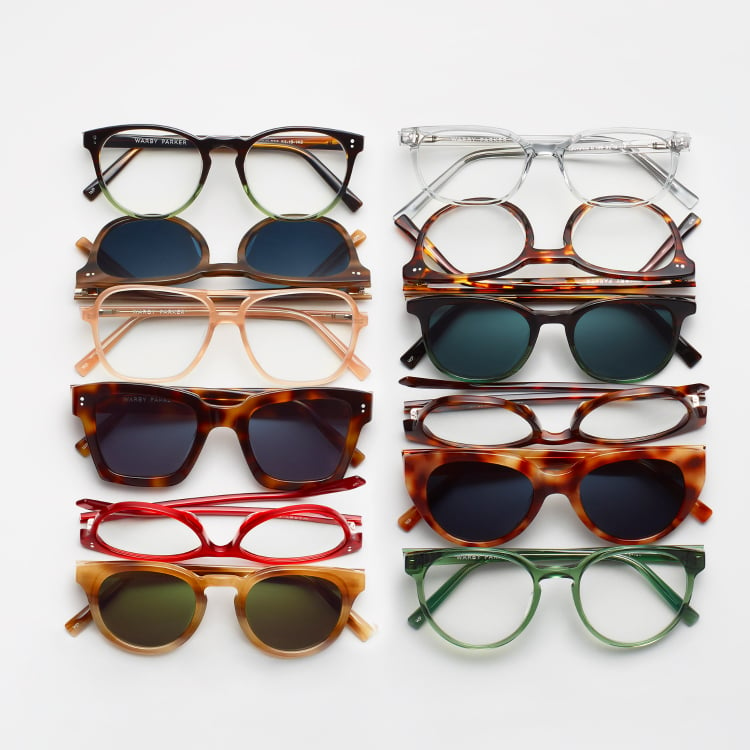
- Gray: Commonly chosen by people who want to reduce overall brightness while keeping colors looking relatively balanced.
- Brown or amber: Often selected by wearers who prefer a warmer tone and a higher-contrast look in changing outdoor light.
- Yellow: Sometimes chosen by people who feel that low-light scenes appear brighter with this tint, though it can change how some colors appear.
- Green: Typically picked by those who like a balance between a cooler tone and moderate contrast in bright conditions.
Choosing Lens Colors for Driving, Sports, and Daily Use
For driving, many people choose gray, green, brown, or amber lenses for their appearance in bright conditions and how they feel when moving between sun and shade. Very dark lenses are not always preferred, especially when moving between brighter and dimmer areas.
For sports, people often pay attention to how different tints make terrain, balls, or markings appear against various backgrounds. Cyclists, runners, golfers, and court-sport players may compare tints based on the time of day, type of environment, and background colors they usually encounter.
For daily wear, personal preference often matters most. If you spend time outdoors, compare lenses in real light rather than only indoors. Look at pavement, grass, stairs, vehicles, and signs to notice how each tint looks to you when you are judging distance and contrast.
Bundle & save
Buy one prescription pair and save 20% on additional pairs
Knowing How Lens Color Affects Depth Perception
When it comes to lens color, there is rarely a universal winner. The tint that feels right for one person, activity, or environment may not be a good choice for another. That’s because our visual experience is influenced by a combination of factors, including contrast, brightness, glare reduction, lighting conditions, and personal preference.
What many people describe as improved depth perception is often tied to how a particular lens color affects contrast and visual comfort. When details are easier to distinguish and glare is reduced, it may feel easier to judge distance, track movement, or notice subtle changes in terrain and surroundings. The effect can vary from person to person, which is why lens selection is often as much about experience as specifications.
If you’re shopping for sunglasses, sports eyewear, or protective lenses, try to evaluate different lens colors in the environments where you’ll actually use them. A tint that performs well while driving may create a different experience on a golf course, hiking trail, ski slope, or construction site. Seeing the differences firsthand can be more informative than any product description.
And if you have prescription requirements, occupational needs, or specific visual concerns, an eye care professional can help you understand which lens options may be most appropriate for your situation.
Looking for more eyewear insights? Explore related guides on lens tints, polarized lenses, sunglasses, and sports eyewear to compare options for driving, outdoor recreation, or work.
See how you look in our frames
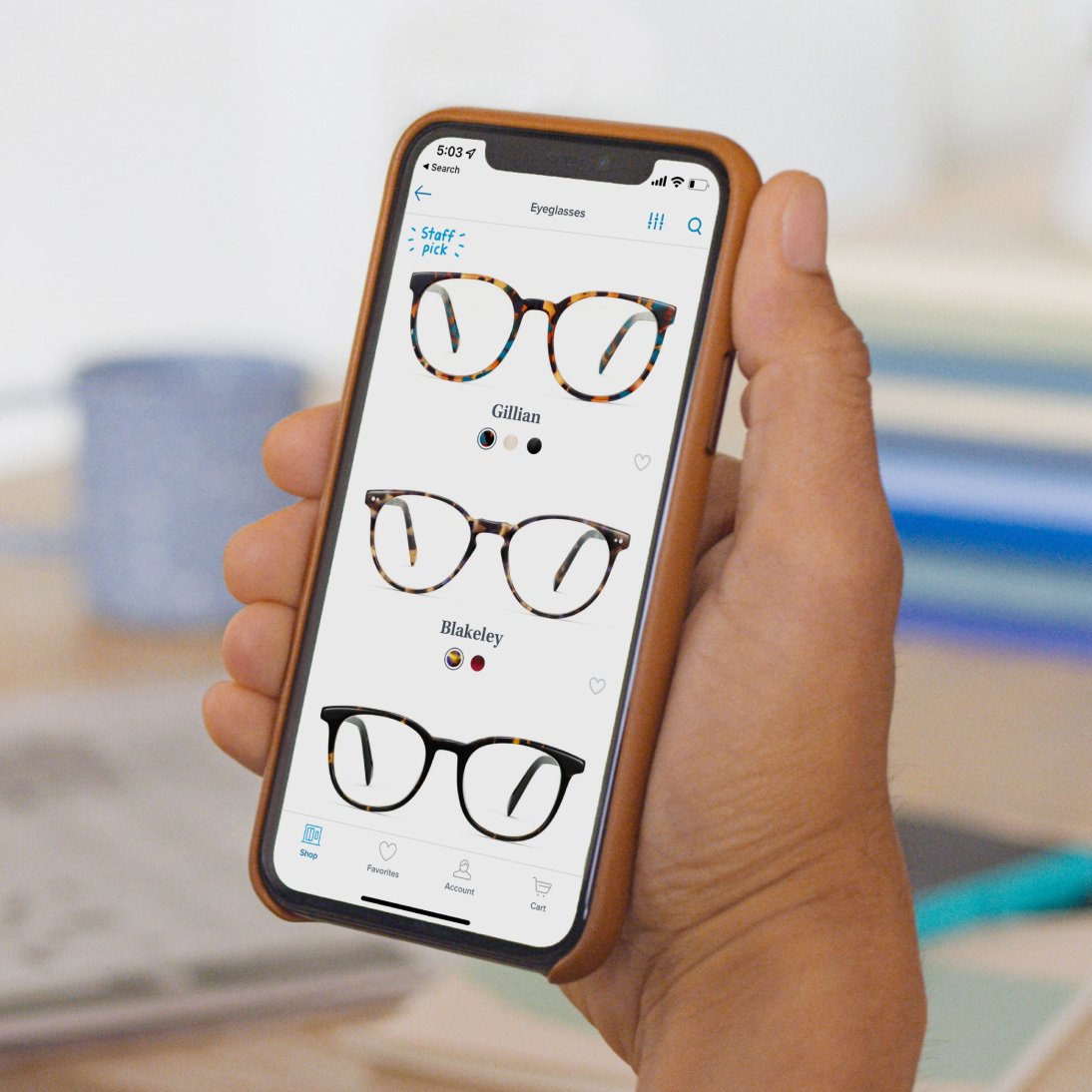
Virtually try on glasses through your phone
Legal Disclaimer
MEDICAL DISCLAIMER: This content is provided for educational and informational purposes only and is not intended as medical advice, diagnosis, or treatment. This information should not be used to replace professional medical care or consultation. Individual results may vary significantly. Always consult with a qualified healthcare provider before making any decisions about your health, vision, or medical treatment. Never disregard professional medical advice or delay seeking treatment because of information you have read on this website.
VISION CARE DISCLAIMER: Vision correction needs vary by individual. Consult an eye care professional for personalized assessment and recommendations.
FDA DISCLAIMER: These statements have not been evaluated by the Food and Drug Administration. This content is not intended to diagnose, treat, cure, or prevent any disease or medical condition.
PROFESSIONAL CONSULTATION REQUIRED: Only qualified eye care professionals can provide personalized recommendations for your specific vision needs and health conditions.
This article is for informational purposes only. It is not intended to provide medical advice or substitute for professional health services. Warby Parker complies with all HIPAA regulations regarding your health information. For personal health questions or concerns related to your vision or eyewear prescriptions, please consult a qualified healthcare provider.
Does lens color affect depth perception?
Lens color may be associated with differences in how people perceive depth cues, such as contrast and brightness. The experience can vary based on the tint, activity, and lighting conditions.
What lens color works well for depth perception?
There is no universal best color. Brown and amber tints are commonly chosen by people who prefer a higher-contrast look outdoors, while gray lenses are often selected by those who like a more neutral color view.
Can yellow lenses improve lens color depth perception?
Yellow lenses are often described as making some low-light scenes appear brighter for certain wearers, but they can also change how colors appear.
Are dark lenses better for judging distance?
Not always. Very dark lenses can make bright conditions look dimmer, but some people find that details are harder to see in shade or low light with very dark tints.
Do polarized lenses change depth perception?
Polarized lenses are designed to reduce certain types of reflected light from surfaces like water or roads, which some wearers describe as more visually comfortable. People may also notice differences when viewing screens, water, or shiny surfaces.
Need Glasses?
Shop prescription glasses starting at $95