Limits of Eye Exams: What They Can Miss
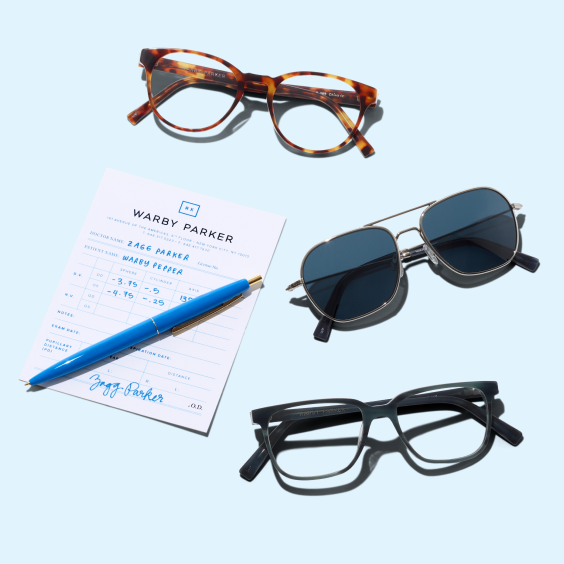
You did the responsible thing. You booked the eye exam, sat through the battery of tests, answered the endless sequence of better one or better two questions, and walked out holding a prescription that somehow looked both highly scientific and completely cryptic. So why does it still feel like part of the puzzle is missing?
Because an eye exam and a great visual experience are not exactly the same thing. An exam is an incredibly valuable diagnostic tool, but it’s not a magical moment where every question about your vision is permanently resolved. It captures important information about how your eyes function at a specific point in time. What it doesn’t automatically do is translate that information into the lived reality of driving at night, working at a computer all day, reading in dim restaurants, or choosing glasses you’ll actually enjoy wearing.
That’s where many people get stuck. They have a prescription but not confidence. They know their numbers changed, but not what those changes mean. They understand that they need glasses, yet still aren’t sure which lenses, frames, or features make sense for their daily life. None of that is unusual. In fact, it’s one of the most common gaps in the entire process.
Add a pair and save
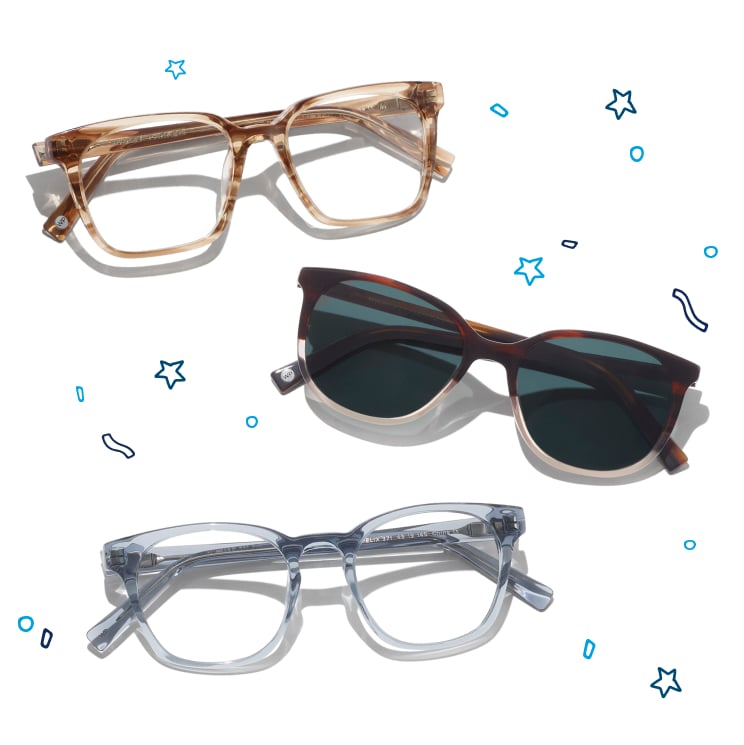
Buy one prescription pair and save 20% on additional pairs—eyeglasses or sunglasses!
This guide focuses on closing that gap. We’ll look at what eye exams are designed to measure, where their limits naturally begin, why vision can sometimes still feel off even after a visit, what questions are worth asking, and how to turn a prescription into glasses that feel less like a medical device and more like something that genuinely works for you.
An Eye Exam Is a Starting Point, Not the Entire Glasses Experience
A routine eye exam commonly includes vision testing, refraction for a prescription, and an eye health evaluation by an eye care professional. It can tell you a lot about your vision at that appointment.
But the prescription is only one ingredient. The finished pair also depends on lens type, pupillary distance, frame fit, and how the frames sit on your face during real life, not just in a chair.
Vision can also fluctuate with fatigue, dryness, lighting, medications, or time. If symptoms are sudden, persistent, painful, or concerning, check in with an eye care professional.
Peep this
We offer prescription glasses starting at $95, with free shipping and free returns
The Limits of Eye Exams: Where Things Can Get Missed, Blurry, or Misunderstood
The limits of eye exams often show up when a concern is intermittent, like blur that happens only at night, during long screen-heavy workdays, or when switching between reading and distance.
A prescription can be accurate under test conditions, then feel unfamiliar once you’re wearing it all day. Small measurement differences can matter too, especially with stronger prescriptions or progressives.
Still feel off after an eye exam? Check:
- Prescription details: Is it recent, and entered or uploaded exactly as written?
- Adjustment time: Is your new prescription simply new to your eyes?
- Vision zone: Is the issue distance, reading, intermediate vision, or everything?
- Frame position: Do frames sit level, close enough, and comfortably?
- Pupillary distance and lens height: Were pupillary distance and progressive height measured correctly?
- Glare or reflections: Would anti-reflective treatment help reduce distracting reflections?
- Pattern: Have you noted when the issue happens for follow-up?
When the Prescription Is Right but the Glasses Still Feel Wrong
The prescription and the glasses are related, but they are not the same thing. Frame width, bridge fit, temple fit, tilt, and lens alignment can all affect comfort and clarity.
Pupillary distance helps position the lenses for your eyes. Progressives also need proper lens height, and not every frame shape is equally friendly to every progressive setup.
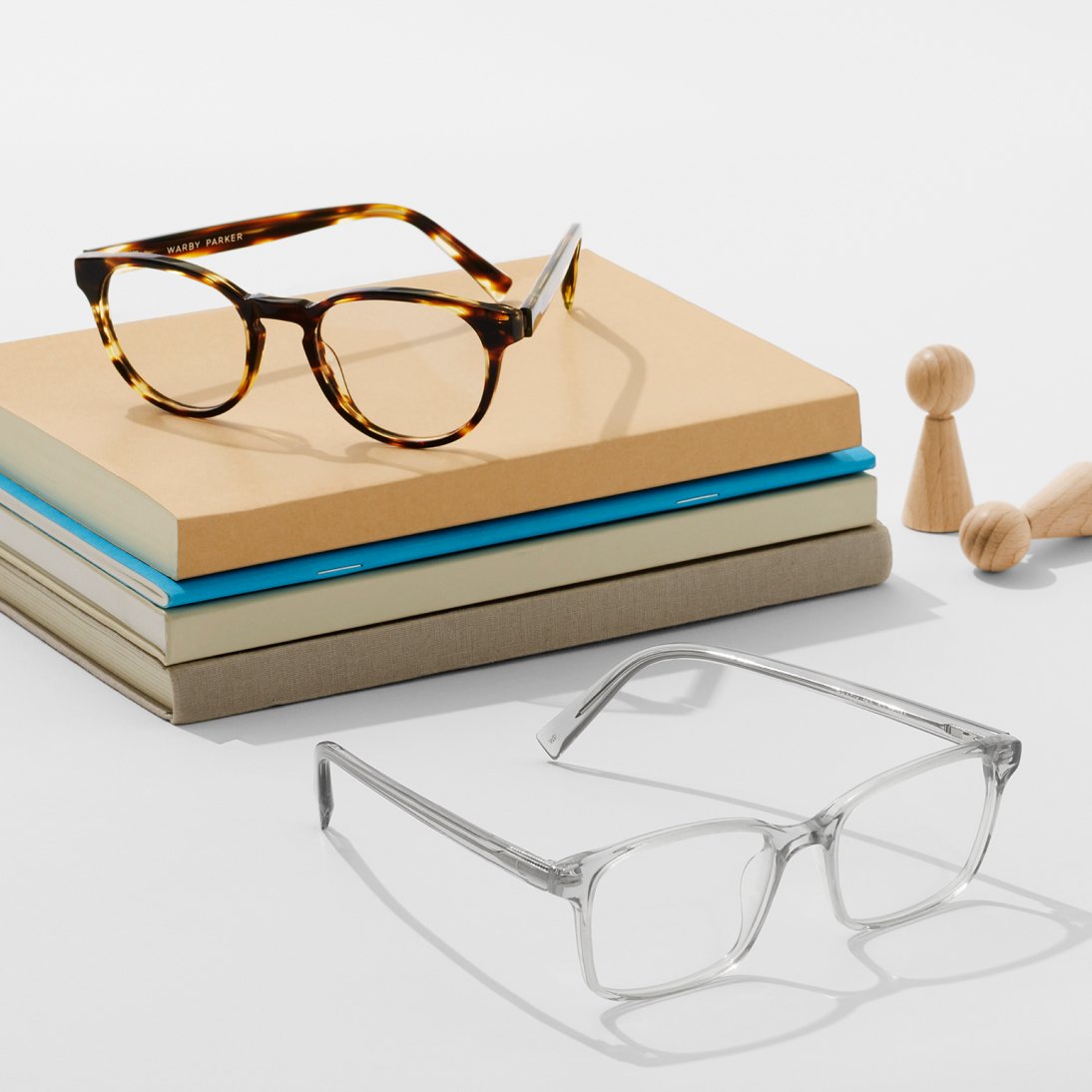
Lens choices matter, too. Single-vision lenses provide one prescription power for one viewing distance. Progressives, readers, anti-reflective treatment, and photochromic lenses each support different routines. Compare lens options, then use virtual try-on to see which frames match your face, style, and everyday life.
Concerned about blue light?
Our blue-light-filtering lenses may help reduce digital eye strain
Mistakes to Avoid After an Eye Exam
Don’t assume an exam on its own will give you a great pair of glasses. It gives key information, but lens configuration, measurements, fit, and adjustments finish the story.
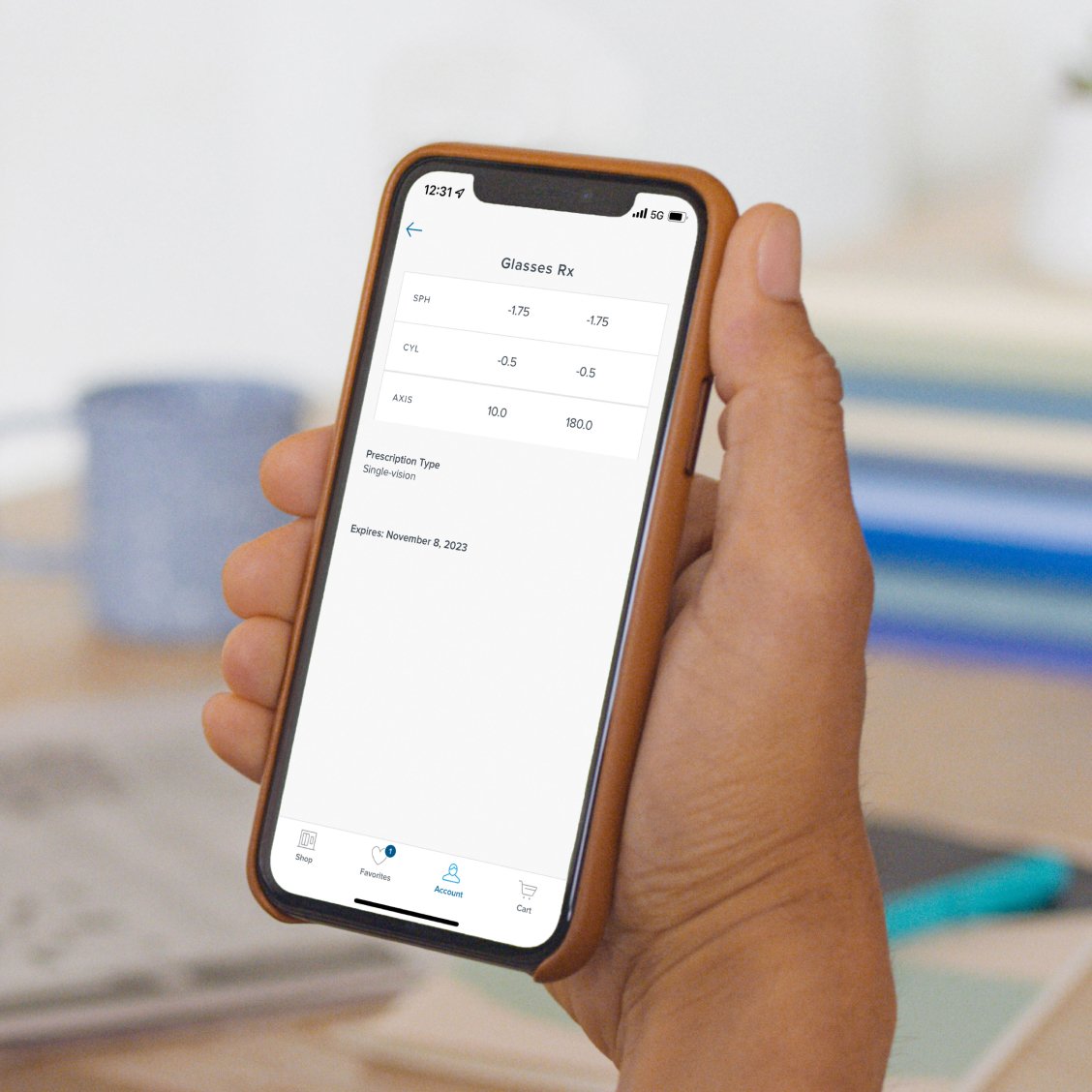
Avoid guessing at prescription values. Upload your Rx or enter sphere, cylinder, axis, and add power carefully. Also ask what the prescription is for: distance, reading, progressives, or another need.
Don’t let good-looking frames bully you. Style matters, obviously, but so do width, bridge fit, lens height, and whether the glasses slide, pinch, or sit crooked. If something feels off, speak up early.
A More Confident Path From Eye Exam to Everyday Glasses
Start with a current prescription, or schedule an eye exam if it’s been a while since your last one. Once you know what your eyes need, the next step is matching that prescription to the way you actually live. Someone who spends ten hours a day at a computer may need something different from someone who spends most of the day driving, reading, or moving between multiple distances.
As you explore frames, use tools like virtual try-on features, compare frame measurements, and pay attention to comfort as much as appearance. A frame can look great in a photo and still not feel right after eight hours of wear. If you have access to in-person support, don’t hesitate to use it. A quick fitting adjustment or a conversation about lens options can often solve problems that seem much more complicated than they really are.
Most importantly, give yourself permission to ask questions. Prescriptions contain specialized language because they’re written for eye-care professionals, not because you’re expected to decode them on your own. If you’re unsure what a measurement means, why a lens was recommended, or whether a particular frame will work with your prescription, ask. The people who end up happiest with their glasses are rarely the ones who knew everything going in. They’re the ones who stayed curious long enough to understand their options.
Not sure which glasses to get?
Try on frames virtually, right now
The Limits of Eye Exams, and Your Next Clear Step
Back to that post-exam moment, prescription in hand, mild confusion in the passenger seat. The big takeaway is simple: eye exams are essential, but great glasses also depend on accurate Rx details, lens choices, frame fit, adjustments, and follow-up support. If your vision still feels off, especially suddenly or persistently, talk with an eye care professional. If you’re ready for the glasses part, shop prescription eyeglasses, try frames with virtual try-on, or find a store for fit and adjustment help.
Speaking of making your eyes pop…
Whatever your eye color, highlight them with glasses or let them shine with contacts
Legal Disclaimer
MEDICAL DISCLAIMER: This content is provided for educational and informational purposes only and is not intended as medical advice, diagnosis, or treatment. This information should not be used to replace professional medical care or consultation. Individual results may vary significantly. Always consult with a qualified healthcare provider before making any decisions about your health, vision, or medical treatment. Never disregard professional medical advice or delay seeking treatment because of information you have read on this website.
VISION CARE DISCLAIMER: Vision correction needs vary by individual. Consult an eye care professional for personalized assessment and recommendations.
FDA DISCLAIMER: These statements have not been evaluated by the Food and Drug Administration. This content is not intended to diagnose, treat, cure, or prevent any disease or medical condition.
PROFESSIONAL CONSULTATION REQUIRED: Only qualified eye care professionals can provide personalized recommendations for your specific vision needs and health conditions.
This article is for informational purposes only. It is not intended to provide medical advice or substitute for professional health services. Warby Parker complies with all HIPAA regulations regarding your health information. For personal health questions or concerns related to your vision or eyewear prescriptions, please consult a qualified healthcare provider.
Can an eye exam miss vision problems or changes?
A routine exam reflects what can be evaluated at that visit. Intermittent symptoms or changing vision may need follow-up with an eye care professional.
Why do my new glasses feel wrong after an eye exam?
Your eyes may be adapting, the frame may need adjustment, or pupillary distance, lens height, or lens type may need review.
How long should I give new prescription glasses to adjust?
Some people need a short adjustment period, especially with a new Rx or progressives. If symptoms feel severe or don’t improve, ask for support.
What should I double-check before ordering prescription eyeglasses?
Confirm your Rx is current and accurate, check pupillary distance, choose the right lens type, and review frame measurements.
Do frame fit and lens choice really affect how well I see?
Yes. Alignment, bridge fit, lens height, pupillary distance, and lens type can affect comfort and clarity.
Need Glasses?
Shop prescription glasses starting at $95