Prescription Sports Glasses: A Buyer’s Guide
Updated: September 8, 2026
Whether you’re tracking a tennis ball, following a trail, or keeping an eye on teammates during a game, clear vision can make a big difference in how confidently you move and react.
That’s where prescription sports glasses come in. Designed to combine vision correction with a secure, activity-ready fit, they offer features that standard everyday eyewear may not provide. The right pair can help you stay focused on the activity itself rather than on adjusting your glasses or dealing with changing conditions.
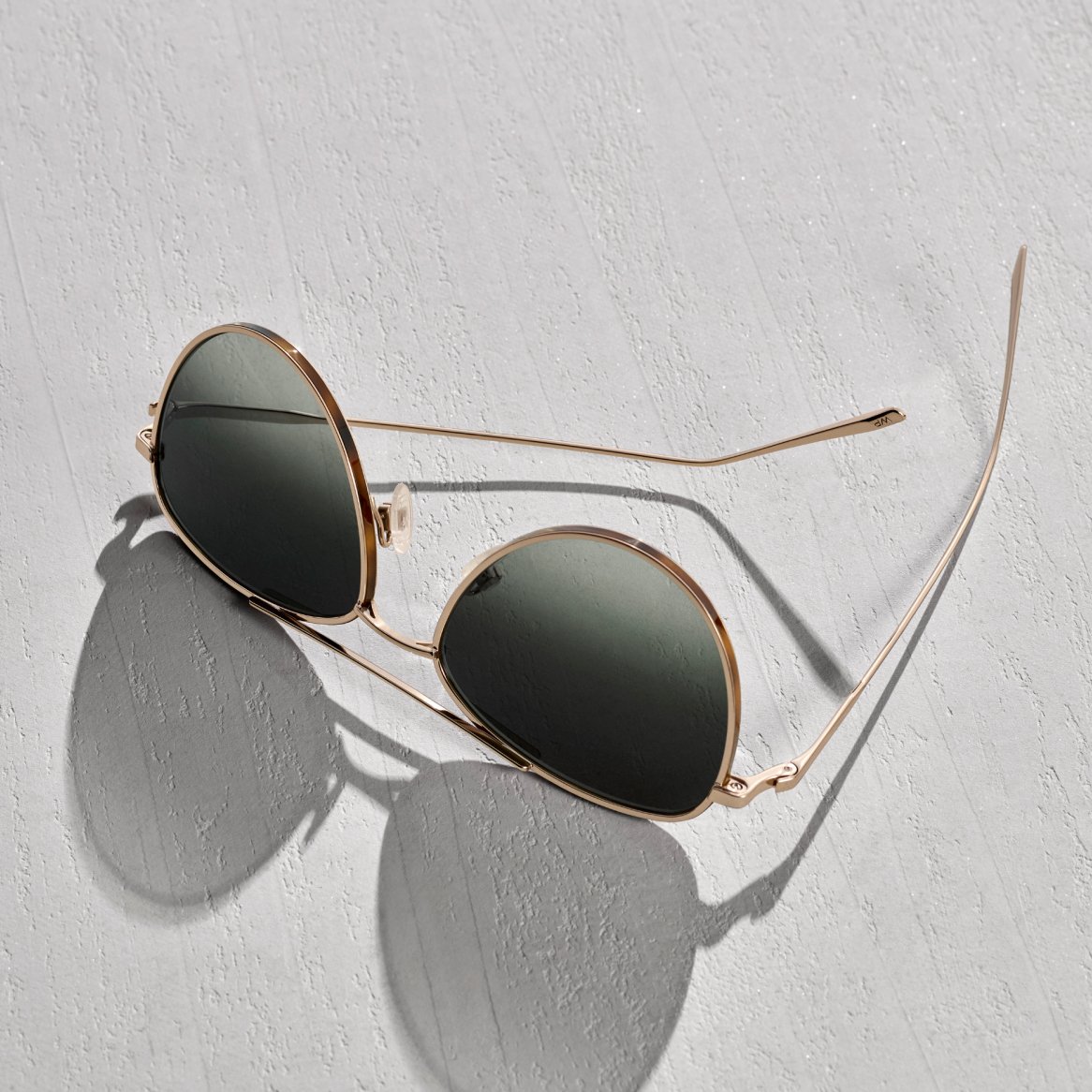
Want the look? (Even if you're not a pilot.)
We offer endless iterations—in both materials and lens shapes—of the adventurous aviator
In this guide, we’ll walk through the key factors to consider when shopping for prescription sports eyewear. You’ll learn how frame design affects fit and stability, why lens materials matter for active use, which coatings may be worth considering, and how different sports can call for different eyewear features. By understanding the basics, you’ll be better prepared to choose glasses that match both your prescription and your favorite ways to stay active.
Why Prescription Sports Glasses Matter for Active Lifestyles
Standard everyday glasses are not always built for movement, impact, sweat, or changing light. During running, cycling, tennis, golf, or team sports, eyewear needs to stay stable while allowing clearer peripheral vision.
Sports eyewear often uses wraparound frames, grippy nose pads, lightweight materials, and lenses selected for durability. These design elements may help reduce distractions and support awareness of timing, distance, and surroundings.
For children and adults who play contact or fast-paced sports, protective eyewear is commonly recommended in certain settings. Requirements vary by sport, so it is worth checking league, school, or safety guidance before buying.
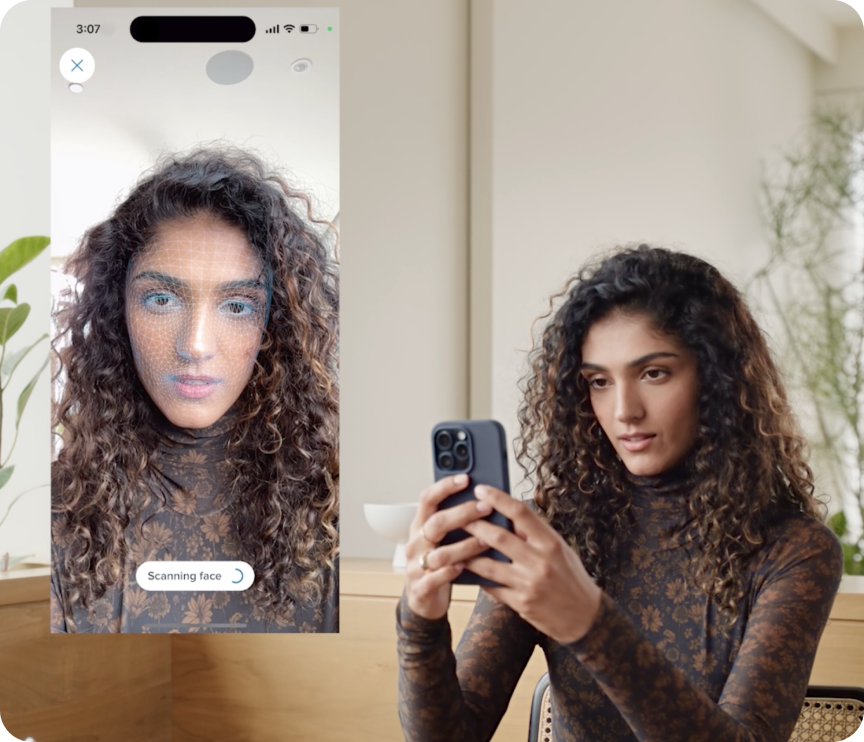
Want to try on a few frames?
Try on any pair virtually from home
Many people look for frames that feel comfortable from warm-up to cool-down. Some people find that if glasses pinch, fog, or slip, they may not wear them as often.
Key Features to Compare in Sports Eyewear
Start with lens material. Polycarbonate and Trivex lenses are common choices for sports because they are lightweight and impact-resistant. Your optician can confirm which option suits your prescription and sport.
Next, consider the frame. A secure fit should hold the glasses in place without pressure points. Adjustable nose pads, rubber temple grips, and head straps can be useful for high-movement activities.
- Lens coatings: Fog-resistant, scratch-resistant, and UV-filtering coatings are commonly used in sports eyewear and are selected for specific performance characteristics.
- Tint options: Grey, brown, amber, or photochromic lenses may help in different light conditions.
- Prescription type: Single vision, progressive, or sport-specific prescriptions may be available depending on the frame.
- Ventilation: Vented designs are often used with the goal of managing fogging during intense activity.
Choosing Prescription Sports Glasses by Sport
Different sports place different demands on eyewear. A cyclist may prioritize wind coverage, wraparound designs, and lens options that work in bright or variable sunlight. A basketball player may need a secure strap and impact-focused design.
For golf or tennis, some players prefer tints that offer a particular view of balls against grass, sky, or court surfaces. For water sports, polarized lenses may reduce glare, although prescription availability can depend on the frame and lens curve.
If you participate in several activities, you may want to look for prescription sports glasses that balance comfort, coverage, and enhanced visual clarity. When in doubt, discuss your main sport, playing environment, and prescription strength with an eye care professional.
Need Glasses?
Shop prescription glasses starting at $95
Know Your Prescription Sports Glasses
Finding the right prescription sports glasses is about more than checking a box. A good pair should fit securely, work with your prescription, and support the way you actually move, play, and train.
As you compare options, pay attention to the details that can make a difference once you’re in motion. Frame fit, lens materials, prescription compatibility, coverage, and sport-specific features all play a role in comfort and performance. What works well for cycling may not be a good choice for basketball, tennis, or running.
If you’re narrowing down your options, consider talking with an eye care professional about your prescription and activity needs. A quick conversation can help ensure you’re choosing eyewear that’s well suited to both.
Ready to keep learning? Explore our guides on sports lenses, protective eyewear, and frame features to better understand your options. The more you know before you buy, the easier it becomes to find a pair that feels comfortable, performs reliably, and lets you focus on the activity – not your glasses.
No matter your eye color…
You deserve to see clearly. (And to have a little fun shopping for eyewear, too.)
Legal Disclaimer
MEDICAL DISCLAIMER: This content is provided for educational and informational purposes only and is not intended as medical advice, diagnosis, or treatment. This information should not be used to replace professional medical care or consultation. Individual results may vary significantly. Always consult with a qualified healthcare provider before making any decisions about your health, vision, or medical treatment. Never disregard professional medical advice or delay seeking treatment because of information you have read on this website.
VISION CARE DISCLAIMER: Vision correction needs vary by individual. Consult an eye care professional for personalized assessment and recommendations.
FDA DISCLAIMER: These statements have not been evaluated by the Food and Drug Administration. This content is not intended to diagnose, treat, cure, or prevent any disease or medical condition.
PROFESSIONAL CONSULTATION REQUIRED: Only qualified eye care professionals can provide personalized recommendations for your specific vision needs and health conditions.
This article is for informational purposes only. It is not intended to provide medical advice or substitute for professional health services. Warby Parker complies with all HIPAA regulations regarding your health information. For personal health questions or concerns related to your vision or eyewear prescriptions, please consult a qualified healthcare provider.
Are prescription sports glasses worth it?
Prescription sports glasses are one option that some active people consider when they want eyewear that incorporates both their prescription and sport-focused frame features.
Can prescription sports glasses be used for contact sports?
Some models are made for higher-impact activities, but suitability depends on the sport and applicable safety standards. Check before buying.
What lens materials are commonly used for sports glasses?
Polycarbonate and Trivex lenses are frequently used in sports eyewear because they are lightweight and impact-resistant.
Do sports glasses fog up?
They can, especially during intense activity. Fog-resistant coatings, ventilation, and proper fit are often used with the goal of managing fogging.
Can I get progressive lenses in sports eyewear?
In some frames, yes. However, curved sports frames may have limitations, so professional fitting is important.
Need Glasses?
Shop prescription glasses starting at $95