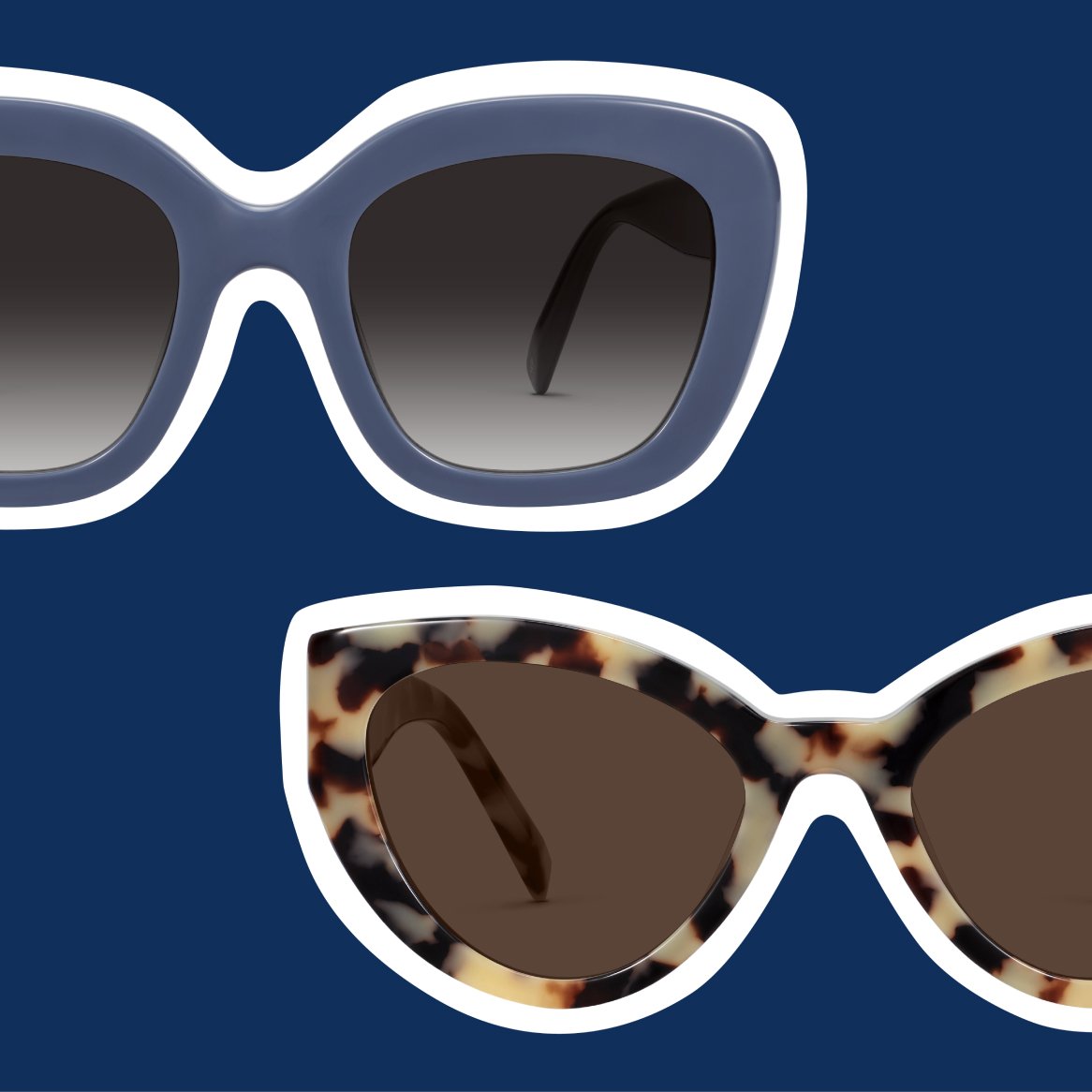
Selecting Glasses for Professionals: Polished, Modern, Confident
Your glasses are often the first thing people notice in a meeting, interview, or pitch. The pair you wear can quietly signal that you’re prepared, detail-oriented, and confident-before you even say a word.
This guide is designed to help you choose glasses for professionals who want both style and everyday practicality. Whether you’re leading teams, consulting with clients, or presenting on Zoom, your frames can support the impression you want to make.
We’ll break down how to choose glasses for professionals based on face shape, work environment, and general visual considerations, so you can make a smart, intentional choice instead of guessing.
By the end, you’ll have a clearer sense of frame shapes you may find flattering, lens options that can be relevant for work, and how to match your eyewear to the level of polish and authority you want to project.
How Professional Glasses Shape First Impressions
In many workplaces, your eyewear is part of your “nonverbal résumé.” Research on the effect of wearing eyeglasses on perceived professionalism suggests that people in glasses are often rated as more intelligent and competent, especially in expert roles like medicine and law. That doesn’t mean any frame will do – it means your glasses are a visible signal you can use intentionally.
Bold, structured frames tend to read as decisive and analytical, while softer, thinner styles can feel more approachable and collaborative. If you frequently lead presentations or negotiations, a slightly more defined frame can help anchor your features and communicate clarity. For coaching, HR, or client support roles, a slim or rounded frame may support a warmer impression.
Lens transparency also matters for how others see you. Studies on how glasses influence perceptions of trustworthiness and competence have found that dark, opaque lenses are associated with lower perceived trustworthiness compared with clear lenses. For indoor professional settings, many people prefer clear or very light tints so their eyes remain fully visible in person and on camera.
Finally, frame fit is crucial. Frames that are too wide, slip down your nose, or need constant adjusting can distract from what you’re saying. Well-fitted glasses stay in place better, align more comfortably on your face, and sit more securely at the bridge-which can contribute to a composed appearance and overall comfort.
Need a computer glasses prescription?
We know some top-notch optometrists who can help
Frame Styles: Matching Your Role, Face Shape, and Dress Code
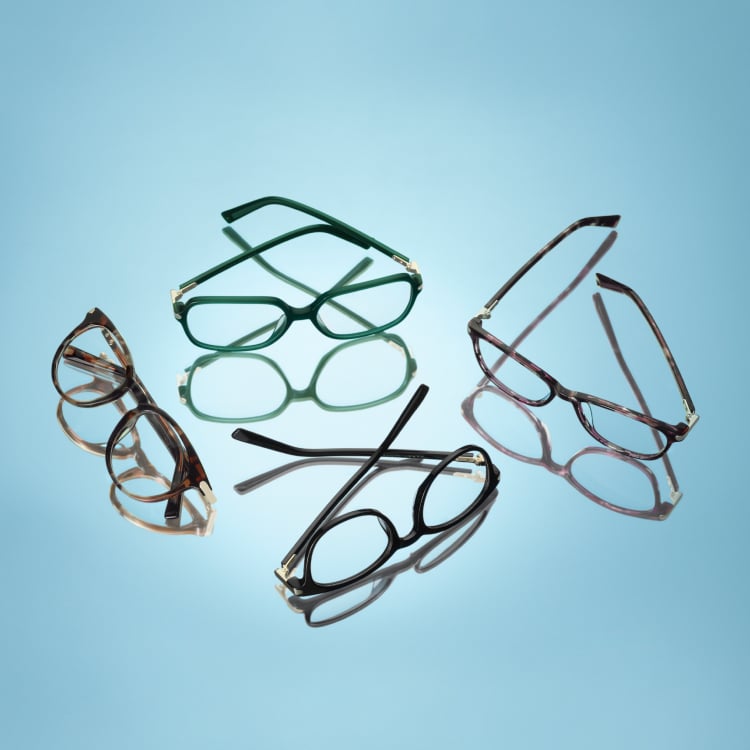
Once you understand the signals glasses can send, you can narrow in on frame styles that align with your role and environment. In more formal industries – finance, law, corporate leadership – many people gravitate toward clean, minimal designs in black, tortoise, or metal. In creative or tech spaces, color and bolder shapes can reinforce a modern, innovative edge.
Face shape can be a helpful starting point rather than a strict rule. As a general guide, round faces often pair well with angular frames for contrast; square faces can be balanced with round or oval frames; heart-shaped faces may suit semi-rimless or bottom-light styles; and oval faces can typically wear many designs, from squares to cat-eyes.
To make this more actionable, consider:
- Classic rectangles: A common pick for consultants, managers, and others in client-facing roles who want a crisp, reliable look.
- Round and softly squared frames: Frequently chosen by educators, therapists, and collaborative team leads who prefer a friendly and open feel.
- Thin metal or rimless frames: Discreet, light, and polished-ideal if you’d like your work, not your glasses, to be the focus.
- Statement acetate frames: Popular with creatives, marketers, and founders who use style to reinforce a bold personal brand.
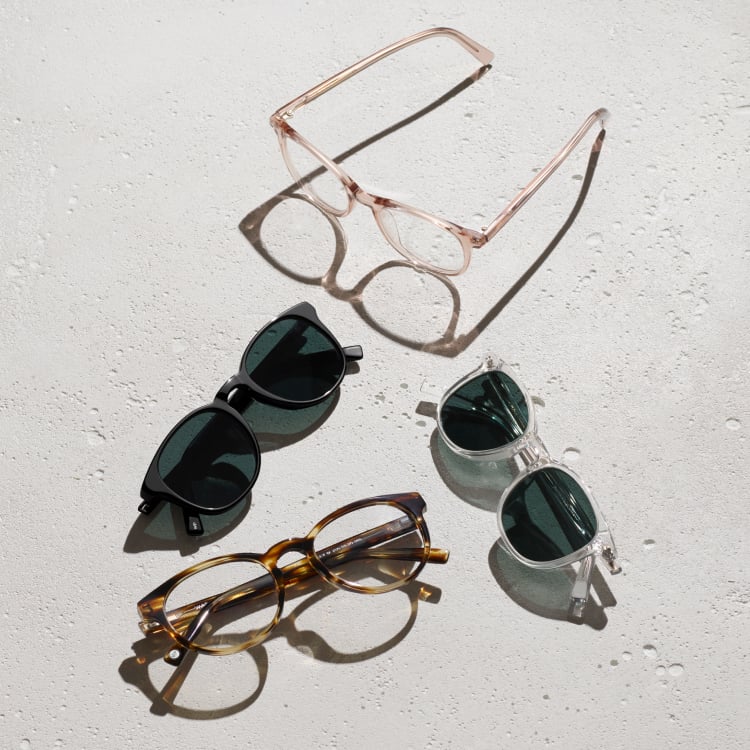
Frame color is another subtle lever. Neutrals like black, tortoise, gray, and deep navy rarely look out of place. Soft champagne, dusty rose, or transparent acetate can modernize your look while staying office-appropriate. If your wardrobe is already high-contrast or patterned, a quieter frame can balance it. If you dress minimally, a more expressive frame can become a signature piece.
Prescription Expired?
If you’re still seeing clearly, you can renew your prescription from home for just $15
Lens Features Professionals Commonly Consider
Style helps you stand out; lens choices play a role in how you use your glasses throughout the day. Many professionals spend hours on screens, so it can be useful to think about how and where you’ll be wearing your glasses. The American Academy of Ophthalmology’s guidance on computer use and digital eye strain notes that an appropriate prescription, screen distance, and simple habits like the 20-20-20 rule are key considerations.
When thinking about lenses, start with your primary work distance. If you mainly work on laptops and monitors, single-vision lenses or dedicated “computer” lenses are commonly used for viewing screens. If you’re in your 40s or beyond and notice that small print and screens feel harder to see, multifocal or progressive lenses are often chosen for both meetings and desk work, so you can use one pair across different distances as recommended by your eye care professional.
Coatings and enhancements you might consider include reflection-resistant coating (which is commonly used to help minimize reflections from screens and overhead lights and to keep your eyes more visible on video calls), scratch resistance, and smudge-resistant finishes. Light-sensitive (photochromic) lenses may be convenient if you regularly move between indoors and outdoors, especially if you prefer not to switch between separate clear glasses and sunglasses.
Key Takeaways and Next Steps for Choosing Glasses for Professionals
Glasses for professionals often align with your workplace culture, and quietly communicate traits you want others to notice-such as competence, reliability, creativity, or calm authority. It can be helpful to prioritize a flattering, well-fitted frame, clear or lightly tinted lenses that keep your eyes visible, and lens designs that fit your typical daily tasks.
As a next step, think about your typical workday, your industry’s dress code, and how you want to be perceived. Then shortlist two or three frame styles that support that identity and pair them with lens options that fit your usual screen use and meeting schedule.
If you’re still unsure, you can bring photos of your usual work outfits and ask an optician or stylist for a second opinion, or try virtual try-on tools and compare screenshots from a video-call distance. You can also share this guide with a colleague, or use it as a checklist before your next eyewear appointment so your glasses become a thoughtful part of your professional toolkit.
Not sure which glasses to get?
Try on frames virtually, right now
Frequently Asked Questions
What glasses are recommended for professionals in conservative offices?
In more conservative settings, many professionals choose slim rectangular or softly squared frames in black, tortoise, gunmetal, or navy, with clear lenses and minimal logos or hardware.
Do glasses make you look more professional?
They can influence how you’re perceived. Some research suggests that glasses are often associated with competence and expertise, especially when frames are clean, modern, and well-fitted.
Does your child need glasses?
We’ve got fun-sized takes on classic shapes for ages 4 and up
Which frame color looks most professional?
Neutral tones-black, brown, tortoise, gray, and deep blue-are generally versatile and often considered professional, especially in formal or client-facing roles.
Are blue-light glasses a good option for professionals who work on screens?
Blue-light filters are optional; many people focus first on having an up-to-date prescription (if needed), reflection-resistant coating, and screen-use habits recommended by eye care professionals. If you’re curious about blue-light-filtering lenses, an eye care provider can explain how they’re typically used.
What style of glasses looks good on Zoom calls?
Medium-sized frames with reflection-resistant lenses, visible eyes, and some contrast against your skin and background tend to photograph more clearly on camera for many people.
How many pairs of professional glasses should I own?
Some professionals like to have at least two pairs: a primary pair that matches most outfits and a backup or bolder style for presentations, travel, or days when they want extra visual impact.
Citations
Eye Doctors Who Wear Glasses Perceived as Smart, but More Aloof
Making a Spectacle of Yourself: The Effect of Glasses and Sunglasses on Face Perception
Computer Usage and Digital Eye Strain
Disclaimer
This article is for general informational purposes only and is not intended as medical or vision-care advice. It should not be used to diagnose, treat, prevent, or cure any condition, and it is not a substitute for advice from a qualified eye care professional. Always consult an optometrist, ophthalmologist, or other licensed provider with questions about your eyes, vision, or glasses. If you are experiencing a medical or eye emergency, call 911 or seek emergency care immediately.
Need Glasses?
Shop prescription glasses starting at $95