Square Sunglasses: Strong Lines, Strong Style
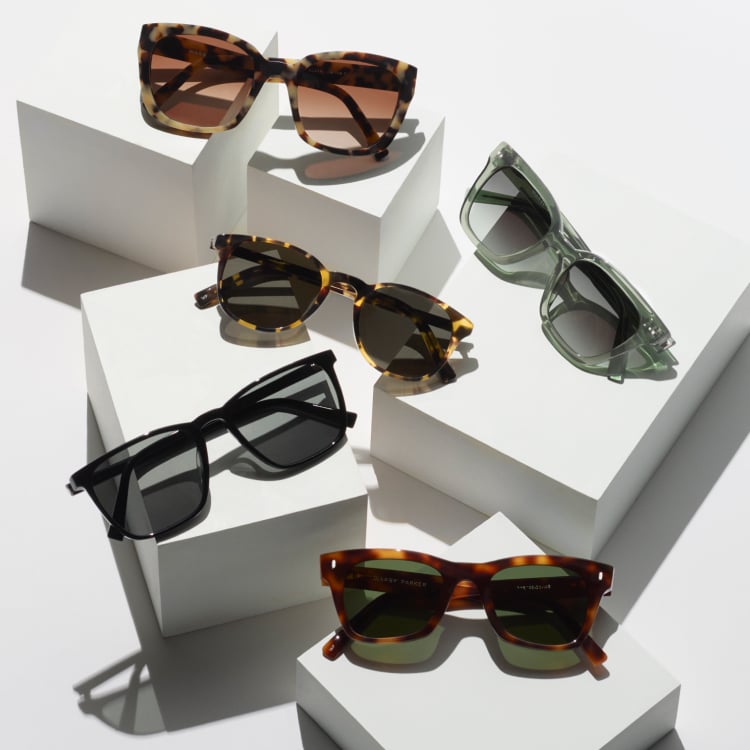
Some accessories tend to whisper and take a back seat to other parts of your ensemble. Not so with square sunglasses: they make a bold statement. Defined angles, bold lines, and clean geometry turn a simple pair of frames into the main focus of your look.
This guide is designed to help you move past guesswork and choose square sunglasses that align with both your style and comfort preferences. From face shape and fit to lens options and UV-filtering features, you will find clear, practical information you can consider before you buy.
We will keep the focus on square sunglasses, including how to think about size, pick shapes that complement your features, and understand general lens and UV terminology.
Need sunglasses?
Protect those peepers from the sun’s harmful rays with 100% UV-blocking sunglasses
By the end, you may feel more confident reading product details, knowing which frame elements to pay attention to, and how to narrow down to a pair you can see yourself reaching for often.
Why Square Sunglasses Are a Modern Essential
Square frames have a timeless appeal because they balance structure and simplicity. Their straight lines and right angles create a confident, architectural look that works as easily with a tailored blazer as it does with a simple T-shirt. Unlike hyper-trendy shapes, square sunglasses tend to feel less tied to a single season, which can make them a versatile style choice.
They are also naturally adaptable. Slight changes in proportions, such as sharper corners, softened edges, or more rectangular silhouettes, can shift the mood from retro to minimal or from sporty to refined. This makes it easier to find a pair that fits both your wardrobe and your comfort level with bold accessories.
Beyond looks, the geometry of many square sunglasses allows for relatively generous lens height and width. That extra surface area increases the portion of your face that is covered by the lenses.
Looking for sunglasses?
See how your favorite frames look on you—instantly!
For many people, square frames may feel stable on the face. The flat brow line and relatively even weight distribution can contribute to comfort when the frame is properly sized and adjusted.
Choosing Square Sunglasses for Your Face Shape and Fit
The right square sunglasses can complement your features instead of competing with them. As a general style guideline, angular frames often add structure to softer features and create contrast with rounder face shapes. If your face is more circular or full, defined corners and a straight brow line can introduce a bit of visual structure.
If your face is already quite angular, you do not have to avoid square frames; you can simply refine the details. Look for gently rounded corners, thinner profiles, or slightly wider-than-tall rectangles that echo your features without exaggerating them. This approach aligns with general principles of frame selection based on facial characteristics, which emphasize harmony between frame geometry and facial features.
Fit matters as much as shape. Square sunglasses that fit well should sit comfortably on the bridge of your nose without sliding, with temples that rest lightly around your ears. Your eyes are typically roughly centered within the lenses, and the frame width is usually close to the width of the broadest part of your face rather than extending far past it.
Want to protect your eyes from glare?
Try polarized sunglasses
When in doubt, check sizing information: lens width, bridge width, and temple length. If you already own a pair of sunglasses you like, you can use those measurements as a starting point to find square frames with a similar overall fit.
- Round faces: Often pair well with bold, clearly defined square or rectangular frames.
- Oval faces: Many square shapes can work; you can experiment with different sizes and thicknesses.
- Heart-shaped faces: Try frames with slightly wider bottoms or softened corners.
- Square faces: Consider thinner profiles or subtle curves if you want a look that feels less boxy.
Lens Quality, UV Filtering, and Everyday Comfort
Style is only half the story; lenses are a key part of how your square sunglasses function day to day. Larger, square lenses can offer a broad field of view and extensive coverage around the eyes, but only if the lenses themselves meet modern UV-filtering standards.
Tint color is mostly about comfort and environment. Grey lenses tend to keep colors closer to how they appear naturally, brown or amber can add a sense of contrast in variable light, and green offers a more balanced middle ground. Polarized lenses are designed to help reduce glare off water, roads, and glass, which can make square sunglasses feel especially practical for driving and many outdoor activities.
It can also be helpful to think about your typical day. If you move between indoors and outdoors often, medium tints may feel more comfortable than very dark lenses. If you spend long stretches in bright sun, you may prefer a darker tint and polarization so your square frames feel like something you naturally reach for rather than an accessory you leave at home.
Protect those peepers!
Our sunglasses come with a scratch-resistant coating and block 100% of UV rays
Final Thoughts on Square Sunglasses
Square sunglasses often earn a place in your wardrobe when they combine confident style, a comfortable fit, and UV filtering that meets current recommendations. By paying attention to face shape, frame proportions, and general lens characteristics, you can move beyond impulse purchases and toward a pair that feels intentional and long-lasting from a style perspective.
As you compare options, consider verified UV labeling, coverage that suits your typical activities, and frame details that align with your everyday look. Those choices often feel more useful in the long run than chasing the trend of the moment.
Ready to explore your options? You can use this guide as a checklist while you browse, filter by square frames, and narrow down to the sizes and lens options that line up with what you have read here.
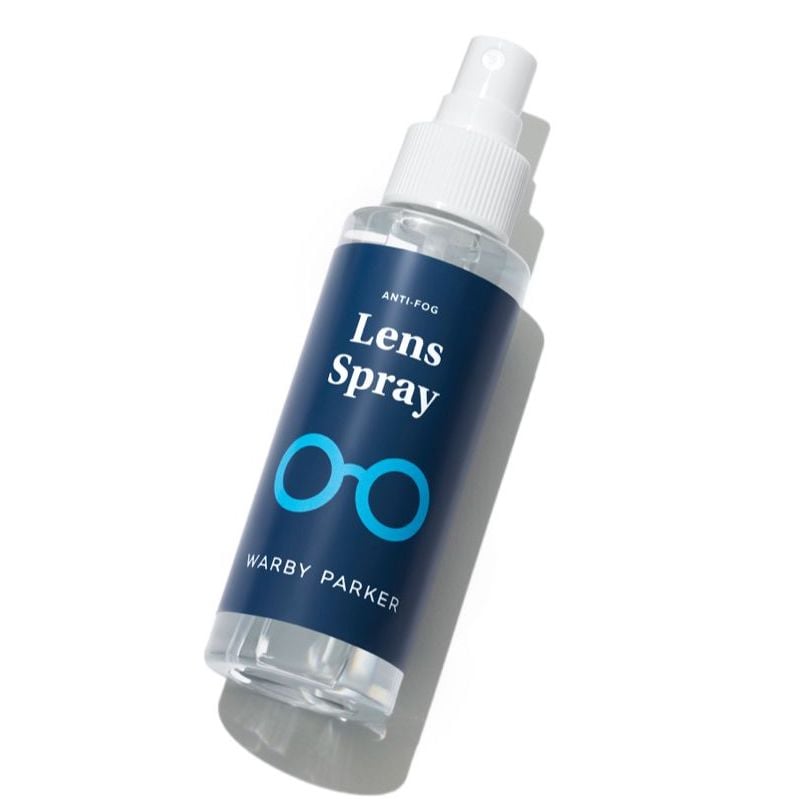
Clean your sunglasses on the go
Meet our travel-size lens cleaning kit—complete with anti-fog spray, a cleaning cloth, and a handy pouch-and-cloth combo.
Legal Disclaimer
MEDICAL DISCLAIMER: This content is provided for educational and informational purposes only and is not intended as medical advice, diagnosis, or treatment. This information should not be used to replace professional medical care or consultation. Individual results may vary significantly. Always consult with a qualified healthcare provider before making any decisions about your health, vision, or medical treatment. Never disregard professional medical advice or delay seeking treatment because of information you have read on this website.
VISION CARE DISCLAIMER: Vision correction needs vary by individual. Consult an eye care professional for personalized assessment and recommendations.
FDA DISCLAIMER: These statements have not been evaluated by the Food and Drug Administration. This content is not intended to diagnose, treat, cure, or prevent any disease or medical condition.
PROFESSIONAL CONSULTATION REQUIRED: Only qualified eye care professionals can provide personalized recommendations for your specific vision needs and health conditions.
This article is for informational purposes only. It is not intended to provide medical advice or substitute for professional health services. Warby Parker complies with all HIPAA regulations regarding your health information. For personal health questions or concerns related to your vision or eyewear prescriptions, please consult a qualified healthcare provider.
Are square sunglasses flattering on everyone?
Square sunglasses can work for many people, but the proportions matter. Softer, thinner frames often suit more angular faces, while bolder, more defined squares can create contrast with rounder faces.
Which face shape is often paired with square sunglasses?
Round and oval faces are commonly paired with square frames because the straight lines can add visual structure and balance softer contours.
What should I look for in lens UV filtering?
Look for UV400 labeling or labels that state 100% UVA/UVB protection, and choose lenses that provide the amount of coverage around the eye area you prefer.
Do polarized lenses matter for square sunglasses?
Polarization is optional but can be helpful if you frequently encounter glare from roads, water, snow, or other reflective surfaces. Polarized lenses are designed to reduce this type of glare, which can improve visual comfort and clarity in bright, reflective conditions.
How big should my square sunglasses be?
Many people prefer frames that are close to the width of their face, with eyes roughly centered in the lenses and no noticeable pinching at the nose or temples. Checking the lens width, bridge width, and temple length can help you compare sizes.
Need Glasses?
Shop prescription glasses starting at $95