If every pair of sunglasses you try feels tight, perches awkwardly, or looks oddly small, you may have a wider-than-average face. Which means that fit can be a little trickier for you. But never fear, this guide is designed to help you quickly recognize which sunglasses will feel secure, look balanced, and offer lens features commonly recommended for sun protection on a wider face.
We will walk through how to spot correctly sized sunglasses for wide faces, which frame shapes you might want to consider, and what to look for in lenses and UV labeling so you can consider both style and function.
By the end, you will know how to read frame measurements, how a pair may sit on your face, which designs to explore, and how to avoid some common wide-face fit challenges.
How to Tell If Sunglasses Really Fit a Wide Face
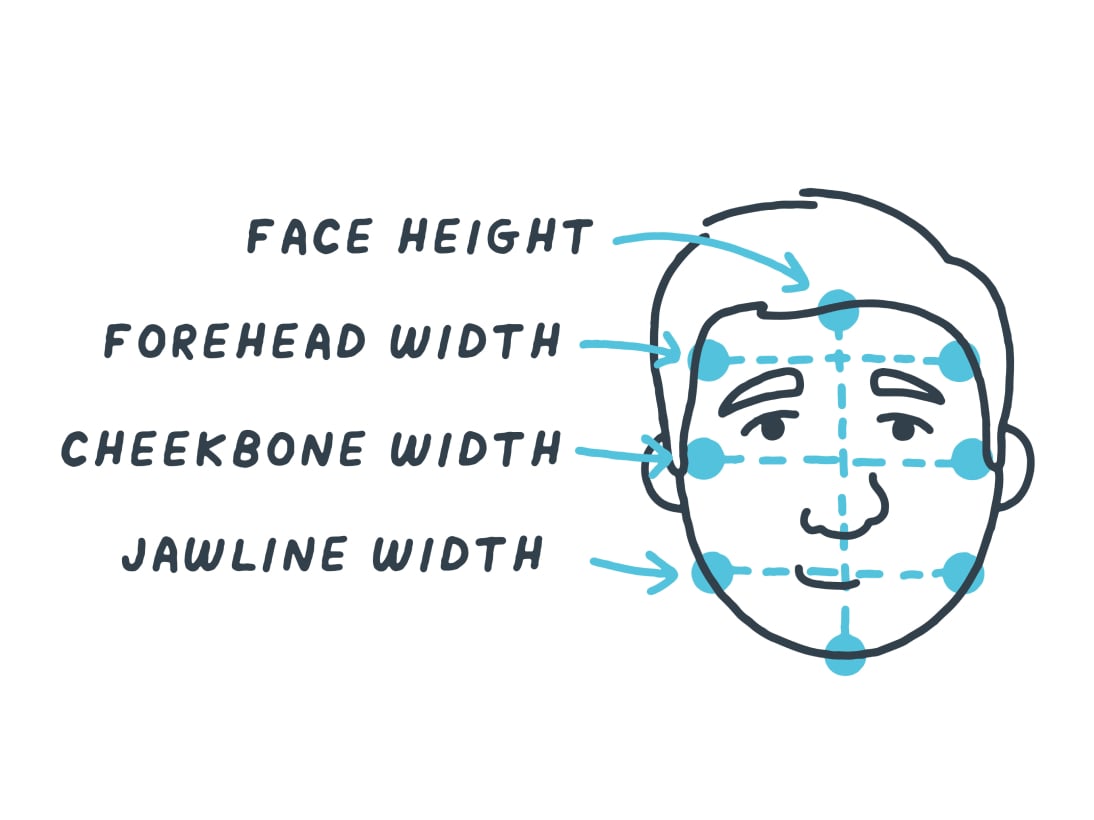
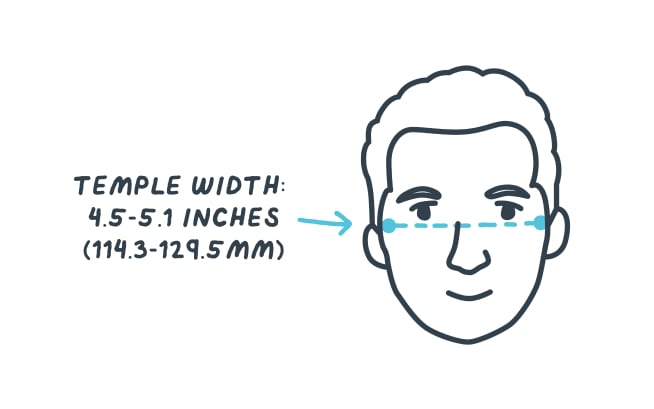
The best starting point is overall frame width. Professional optical guidance suggests that the outer edge of the frame should be even with the widest points on the head, usually just above the ears, rather than pinching in or flaring far past them. If the temples bow outward sharply, the frame is likely too narrow.
Next, check side clearance. For most adults, an ideal fit is slightly wider than the face, leaving just a bit of space between the temples and your head. One optician rule of thumb is that your perfect fit should be slightly wider than your face – no more than a finger’s breadth between the temple and your face. More pressure than that usually means discomfort and red marks after an hour or two of wear.
Bridge fit is just as important for wide faces. If the bridge is too narrow, frames slide down or ride too high. You want the nose pads or plastic bridge to rest comfortably without digging in. When the bridge is right, your pupils sit near the center of each lens and the frame feels secure when you look down.
Finally, look at coverage. Sunglasses work best when they feel good, stay in place, and cover the skin around your eyes to help limit light coming in from the top, bottom, or sides. For wide faces, that usually points to slightly larger lenses and wrap at the sides.
Sunglass Shapes and Styles for Wide Faces
Once you understand fit, shape is the next decision. People with wide faces generally do well with frames that balance width with adequate lens height, avoiding tiny lenses that make the face look broader.
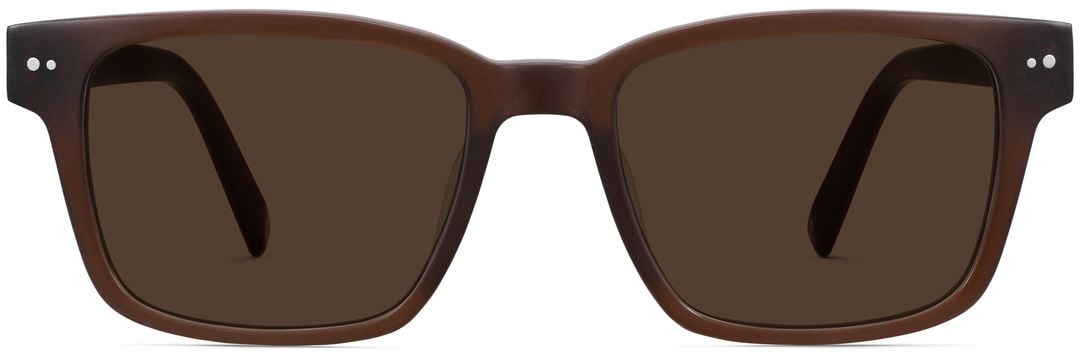
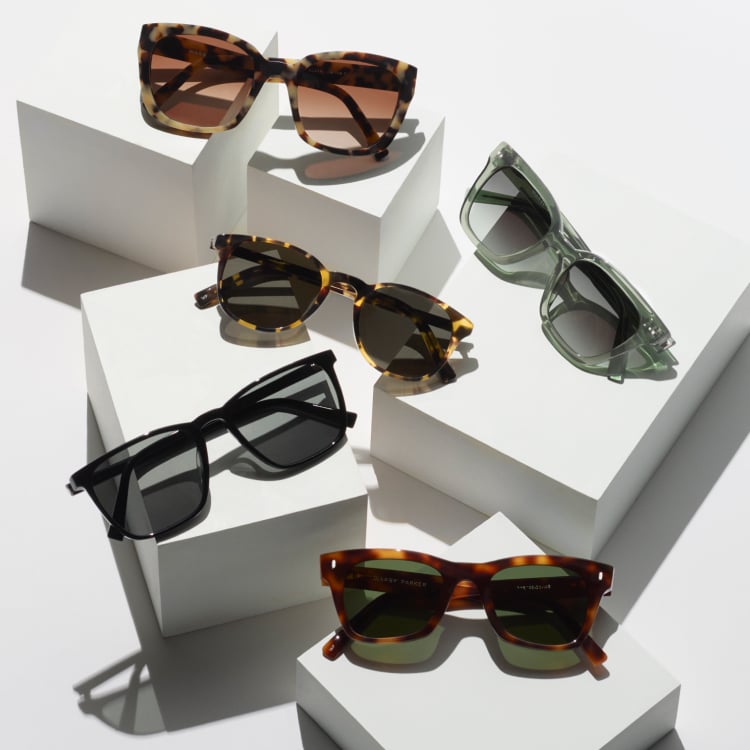
Rectangular and square frames are common choices. Their defined lines can create a more angular look on a wide face, especially when lens height is moderate rather than extremely tall. Some people also like slightly thicker temples to keep proportions in balance with facial width.
- Wayfarer-inspired designs: Often considered widely flattering by many wearers, these add gentle angles without overwhelming your features.
- Aviators: The teardrop shape can visually soften width at the temples and provides generous lens coverage, which many people like for outdoor wear.
- Wraparound sunglasses for wide faces: These contour to the sides of your head and are often chosen by people who want more side coverage. Health agencies note that wraparound sunglasses can help filter UV rays from coming in from the side.
- Oversized square or round frames: When the proportions match your face, oversized designs can look intentional and fashion-forward rather than ill-fitting.
If you have a wide but low-profile nose bridge, you may want to look for adjustable nose pads to fine-tune how frames rest on your nose. For wider noses, keyhole bridges can offer a different kind of contact with the nose. In all cases, it may help if the frame does not sit so low that your cheeks touch the lenses when you smile.
UV Labels and Coverage: Beyond Style Details
Finding sunglasses that fit a wide face well is not just about aesthetics; it also relates to how much of the eye area the frame and lenses cover. A frame that is too narrow or too small may leave more open space around the edges.
Health authorities consistently recommend sunglasses that filter 99-100% of UVA and UVB rays, often labeled UV400. Larger, more enveloping designs, such as big lenses or wraparound frames can provide more coverage for the eye socket and surrounding skin.
For wide faces, this guidance aligns closely with what already looks good: slightly larger frames, generous lens height, and temples that sit comfortably without gaps. When the fit feels right, many people find they reach for their sunglasses more often as part of their everyday routine.
You may also see additional lens features mentioned in product descriptions. Some people prefer polarized lenses for bright conditions, such as being on or near water, and mirror coatings for a more reflective look. These features are separate from UV labeling and do not change whether lenses filter UVA and UVB rays.
Key Takeaways and Next Steps for Sunglasses for Wide Faces
When you shop for sunglasses for wide faces, you can start with fit: frame width that aligns with your head, comfortable clearance at the temples, and stable bridge support. Then refine by shape – rectangular, aviator, wraparound, or balanced oversized styles are all options you can consider with broader features.
You can look for lenses labeled 99-100% UVA and UVB (often noted as UV400) and frames that offer coverage for the area around your eyes. For most people, a frame that feels secure and offers the coverage and style they prefer will feel more practical than one that frequently pinches or slips.
As a next step, measure a pair of glasses you already like, note the frame sizing stamped inside the temple, and use those numbers as a starting template when browsing new options online or in store.
Legal Disclaimer
MEDICAL DISCLAIMER: This content is provided for educational and informational purposes only and is not intended as medical advice, diagnosis, or treatment. This information should not be used to replace professional medical care or consultation. Individual results may vary significantly. Always consult with a qualified healthcare provider before making any decisions about your health, vision, or medical treatment. Never disregard professional medical advice or delay seeking treatment because of information you have read on this website.
VISION CARE DISCLAIMER: Vision correction needs vary by individual. Consult an eye care professional for personalized assessment and recommendations.
FDA DISCLAIMER: These statements have not been evaluated by the Food and Drug Administration. This content is not intended to diagnose, treat, cure, or prevent any disease or medical condition.
PROFESSIONAL CONSULTATION REQUIRED: Only qualified eye care professionals can provide personalized recommendations for your specific vision needs and health conditions.
This article is for informational purposes only. It is not intended to provide medical advice or substitute for professional health services. Warby Parker complies with all HIPAA regulations regarding your health information. For personal health questions or concerns related to your vision or eyewear prescriptions, please consult a qualified healthcare provider.