Glasses for Flat Nose Bridge: Frame Features to Consider
If your glasses keep sliding down your nose, sitting lower than expected, or tapping your cheeks every time you smile, it’s not your prescription. It’s the way the frame sits on your face. Some frames just aren’t built with lower or flatter nose bridges in mind, which can throw off the whole fit.
This guide is here to make that easier to navigate. No technical deep dive, just the key things to look for so you can find frames that sit where they’re supposed to.
We’ll walk through what’s actually different about these designs, how small changes in the bridge and nose pads can make a big difference in stability, and which details are worth paying attention to when you’re browsing online or trying things on in-store.
Need new glasses?
Vitually try on frames in the comfort of your own home
By the end, you’ll have a clearer sense of how to spot frames that are more likely to fit well, how to read product descriptions without overthinking them, and what to ask an optician if you want a second opinion before you commit.
Why Flat and Low Bridges May Use Different Frame Designs
A flatter or lower nose bridge sits closer to the face with less projection. Many traditional frames assume a more pronounced bridge, so the standard curve and angle of the bridge may not match flatter profiles. The result can include slipping, tilting, or lenses that may not sit where you expect them to.
Ergonomic research on anthropometric determinants of spectacle frame fit highlights nasal bridge height and width as key factors in how glasses rest on the face. When the bridge is lower, the contact points change. Frames may tip forward, rest on the cheeks, or ride lower on the face, which some people find distracting.
Professional and clinical guidance on spectacle fit indicates that frame position and the distance between the lenses and the eyes can influence how the lenses function.
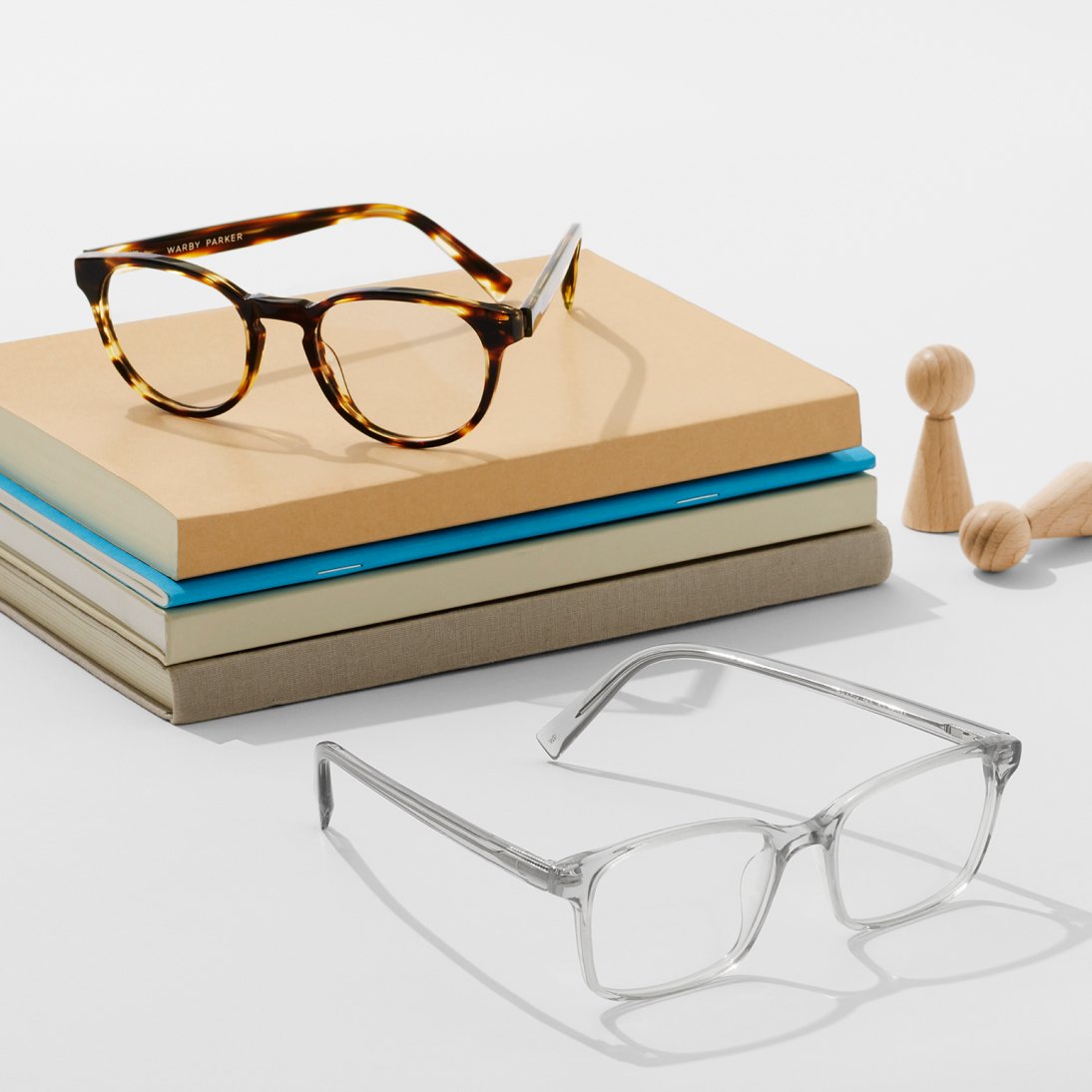
For stress-free reading
Go ahead, get lost in a book. Our glasses make it easy.
Frames marketed as suited for flatter or lower bridges typically adjust the bridge height, pad position, and frame angle compared to some traditional designs. These frames are designed to shift the contact area, support the frame higher on the nose, and help lenses sit in front of the eyes as intended by the prescription.
Key Frame Features to Look For in Glasses for Flat Nose Bridges
When you shop, you may want to start with the bridge design. For flatter or lower bridges, product descriptions that reference terms like “low-bridge fit” or “universal fit” may signal modified geometry.
Second, consider nose pads. Adjustable metal pad arms with silicone pads allow an optician to change the angle and width of the pads so they rest differently on the bridge. Professional guidance on selecting the proper bridge size and shape notes that adjustable pads can be a helpful option for many people because they can be fine-tuned rather than relying solely on a fixed bridge shape.
Other frame details some people with flatter or lower bridges look for include:
- Nose pieces: Slightly wider, more contoured nose pieces in plastic frames
- Frame curvature: Reduced frame curvature so the front does not wrap as closely around the face
- Cheek clearance: A gentle rather than steep tilt toward the cheeks
Together, these design elements may help reduce the likelihood that glasses rest on the cheeks when you smile or talk.
Speaking of making your eyes pop…
Whatever your eye color, highlight them with glasses or let them shine with contacts
You can also think about weight and material. Some people prefer lighter acetate or titanium frames because they feel less noticeable on the face, and softer silicone nose pads are commonly used to increase contact with the bridge. A combination of low-bridge-oriented geometry, adjustable pads, and lighter-weight materials is often chosen by people looking for a more tailored-feeling fit.
How to Get a Sense of Fit and Shop Confidently
Once you have a shortlist of glasses for flatter or lower bridge shapes, you can use a simple informal fit check. When you try them on, notice whether the bridge rests on a comfortable part of your nose without large gaps or rocking. Many people also look for frames that do not touch their cheeks when they smile.
Lens position matters as well. Guidance on choosing the right eyeglass frames for your face notes that bridge width and stable nose support can help maintain consistent lens positioning relative to your eyes. If you find yourself adjusting your head position to look through a particular part of the lenses, that may be a sign to talk with an eye care professional or optician about frame fit.
When shopping online, look for low-bridge filters if they are available, and read the product measurements. An appropriate bridge design or low-bridge fit designation, larger built-in nose pads, and notes that a frame is designed with lower or flatter bridges in mind can all be helpful indicators. If virtual try-on is available, you can use it to get a general sense of how high the frame appears to sit and whether it seems to clear your cheeks in the preview.
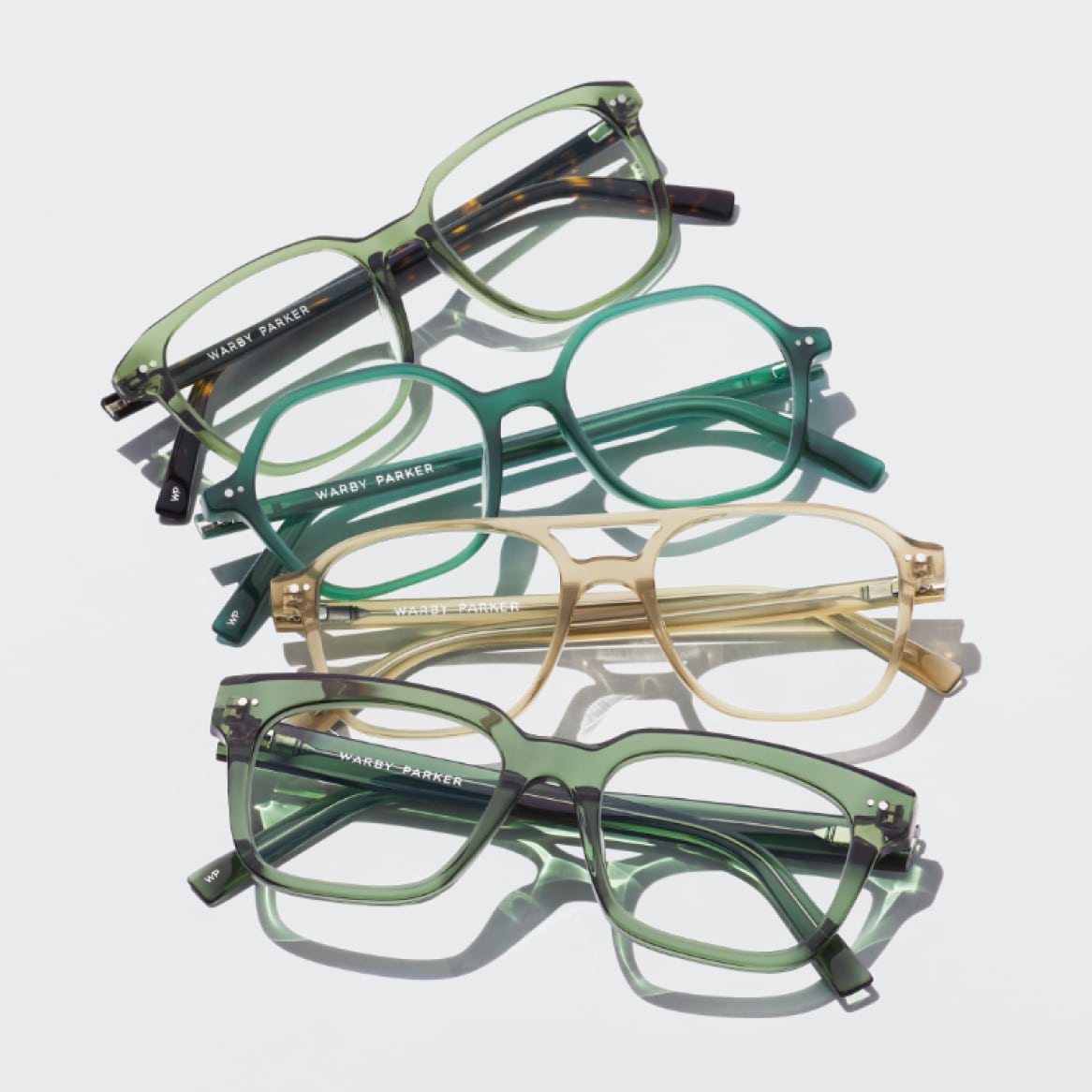
Want new glasses?
Try on any pair virtually from home
Key Takeaways for Choosing Glasses for Flat Nose Bridges
Finding glasses for flatter or lower nose bridges is largely about understanding how frame geometry relates to your own facial features and preferences. By paying attention to low-bridge-oriented designs, nose pad configuration, and lens positioning, you may be better able to identify frames that feel more aligned with what you are looking for.
As you explore options, using the fit considerations above can help you narrow your choices. You can also ask an optician to adjust nose pads and temple angles once you decide on a frame. These adjustments may help a well-chosen frame feel more tailored to you.
If you still feel uncertain about fit, you can share your experience with an optician or eye care professional, compare notes with others who have similar concerns, or look for a specialist fitter. Your feedback and questions can help inform more inclusive frame designs over time.
Does your child need glasses?
We’ve got fun-sized takes on classic shapes for ages 4 and up
Legal Disclaimer
MEDICAL DISCLAIMER: This content is provided for educational and informational purposes only and is not intended as medical advice, diagnosis, or treatment. This information should not be used to replace professional medical care or consultation. Individual results may vary significantly. Always consult with a qualified healthcare provider before making any decisions about your health, vision, or medical treatment. Never disregard professional medical advice or delay seeking treatment because of information you have read on this website.
VISION CARE DISCLAIMER: Vision correction needs vary by individual. Consult an eye care professional for personalized assessment and recommendations.
FDA DISCLAIMER: These statements have not been evaluated by the Food and Drug Administration. This content is not intended to diagnose, treat, cure, or prevent any disease or medical condition.
PROFESSIONAL CONSULTATION REQUIRED: Only qualified eye care professionals can provide personalized recommendations for your specific vision needs and health conditions.
This article is for informational purposes only. It is not intended to provide medical advice or substitute for professional health services. Warby Parker complies with all HIPAA regulations regarding your health information. For personal health questions or concerns related to your vision or eyewear prescriptions, please consult a qualified healthcare provider.