Sports Glasses for Running: A Buyer’s Guide
Updated: September 23, 2026
Few things feel better than settling into a good run. But bright sunlight, shifting weather, wind, dust, sweat, and changing terrain can all affect how comfortable your eyes feel along the way.
That’s where the right pair of running glasses can help. Designed with movement in mind, sports eyewear for runners often combines lightweight materials, secure-fit features, and lens technologies intended to support clearer vision in a wide range of conditions. The goal is simple: help your eyewear stay out of the way so you can focus on your pace, surroundings, and the miles ahead.
Whether you’re training for a race, logging daily neighborhood runs, or exploring trails on the weekend, different environments can place different demands on your eyewear. What works well for a shaded trail run may not be the right choice for bright roads, open terrain, or changing weather.
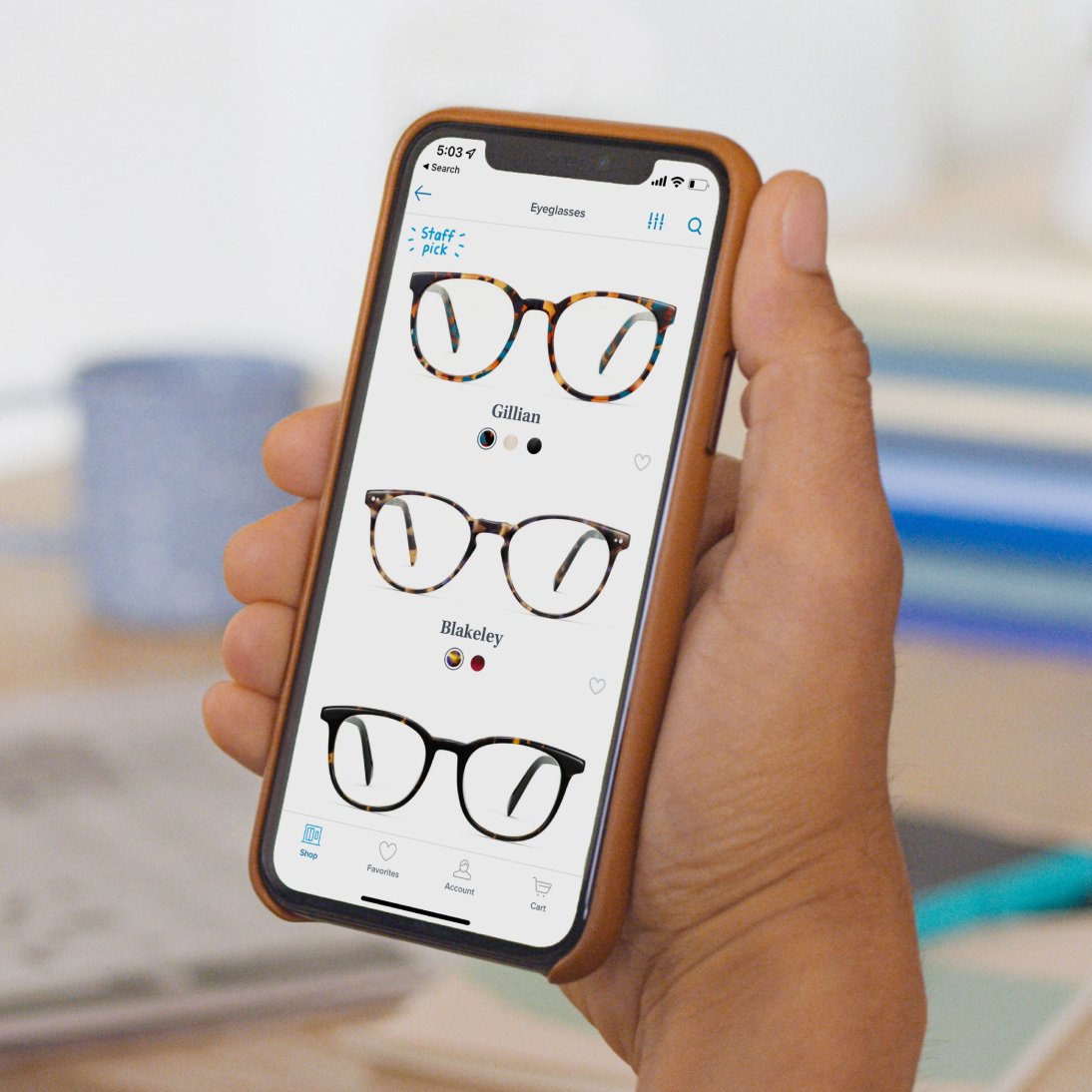
Frame shopping, made smarter
No guesswork needed—try on frames virtually and find your perfect pair
In this guide, we’ll break down the features worth paying attention to before you buy. You’ll learn how to evaluate lens options, compare frame designs, assess fit and stability, and identify the details that can contribute to a more comfortable running experience. By understanding the basics, you’ll be better equipped to choose eyewear that fits your routine and helps you stay focused on the run itself.
Why Sports Glasses for Running Matter for Your Eyes
When you run outdoors, your eyes are exposed to sunlight, wind, dust, and reflected glare from roads, trails, snow, or water. Many running sunglasses are designed with a physical barrier around the eyes and lenses that can make it easier to notice changes in terrain.
UV filtration is the first feature to check. Look for lenses that filter 100% of UVA and UVB rays. This matters whether you run at noon or during overcast weather, because ultraviolet light can still be present even when it’s cloudy.
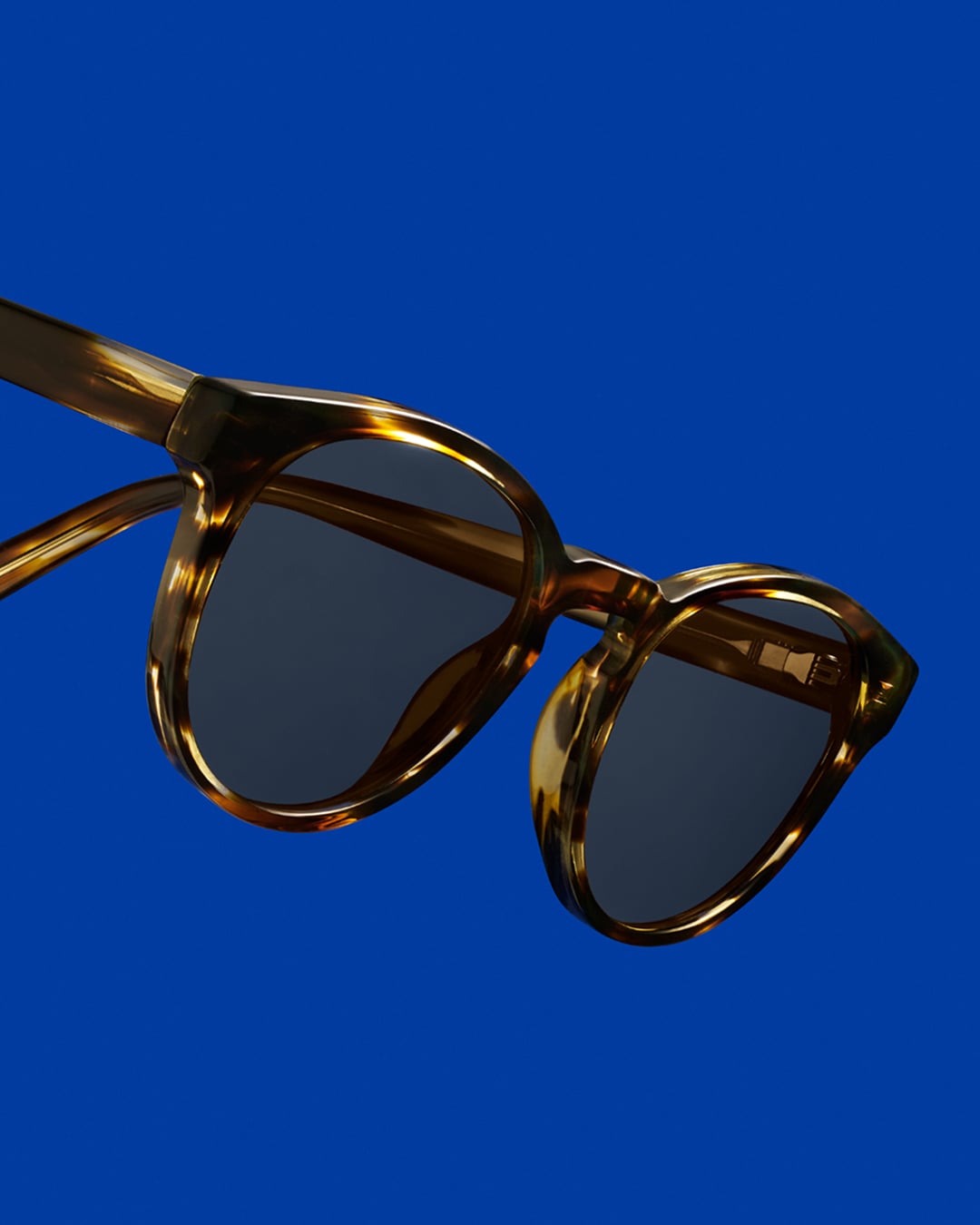
Lens tint can also influence how the environment looks. Gray lenses reduce brightness without heavily changing color perception. Brown or amber lenses are often chosen by trail runners who like the way they render contrast. Clear or lightly tinted lenses are commonly selected for low-light conditions, such as early morning or evening runners.
Style meets affordability
Our prescription glasses start at $95
If you run near traffic, you may want lenses that preserve accurate color recognition. Many runners look for lenses that maintain clear recognition of signals, brake lights, and surface changes when choosing eyewear.
Key Features to Compare in Running Sunglasses
Once UV filtration is covered, focus on comfort and stability. Many runners prefer frames that minimize bouncing, pinching, or sliding when their pace changes. Lightweight frames, flexible temples, and grippy nose pads are common design elements that many people find more comfortable during warm or high-effort sessions.
Some runners also pay attention to how their eyewear behaves when exposed to temperature and humidity changes. Some frame designs include ventilation to allow airflow behind the lens, which may help limit moisture buildup. This is useful for interval training, humid climates, and runners who transition between shaded and sunny areas.
- Polarized lenses: These are designed to help manage reflected glare, especially near water, glass, or wet pavement.
- Photochromic lenses: Adjust to changing light, helpful for mixed shade and sun.
- Wraparound frames: Offer wider physical coverage around the eyes, which many runners like for wind and side glare.
- Non-slip grip: Helps glasses stay in place when you sweat.
- Impact-resistant lenses: Add durability for trail running and daily use.
How to Choose a Good Fit for Your Running Style
Your preferred pair often depends on where and how you run. Road runners often look for options that address glare control, light weight, and visibility in traffic. Trail runners may prefer stronger coverage, contrast-enhancing lenses, and impact resistance because branches, gravel, and changing shadows are common.
Fit should be tested with movement, not just in a mirror. Tilt your head, jog in place, and check whether the frames move. The nose bridge should feel stable without leaving pressure marks, and the temples should sit securely without squeezing behind the ears.
Prescription runners have additional options, including prescription sports glasses, inserts, or contact lenses paired with non-prescription sunglasses. If you need vision correction, consult an eye care professional to confirm which option may suit your prescription, sport, and comfort preferences.
FIND YOUR FRAMES
From cat-eyes to aviators to bookish, round numbers, we’ve got frames for every face
Choosing Running Glasses That Fit Your Miles
Great running glasses feel comfortable, stay put, and help you see clearly in the conditions you encounter most often.
As you narrow your options, focus on the fundamentals. Look for lenses that provide UV filtration, frames that feel secure without creating pressure points, and lightweight designs that won’t become distracting as the miles add up. The right lens tint, coverage, and frame style can vary depending on whether you run in bright sun, low light, city streets, open roads, or trails.
Before making a final decision, it can be helpful to compare a few models side by side. Pay attention to fit, comfort, field of view, and any features that matter to your running routine. A generous return policy can also provide peace of mind, especially if you’d like to test your eyewear on a few shorter runs before relying on it for a race, long training session, or important event.
Remember that great running eyewear should support your experience without demanding attention. When the fit is right and the lenses suit your environment, you spend less time thinking about your glasses and more time enjoying the run.
Looking for more guidance? Explore our related articles on sports eyewear, lens technologies, and outdoor vision. And if you know a runner who’s researching their next gear upgrade, feel free to share this guide – it may help make the decision a little easier.
Think you need glasses?
Time to check in with one of our friendly optometrists
Legal Disclaimer
MEDICAL DISCLAIMER: This content is provided for educational and informational purposes only and is not intended as medical advice, diagnosis, or treatment. This information should not be used to replace professional medical care or consultation. Individual results may vary significantly. Always consult with a qualified healthcare provider before making any decisions about your health, vision, or medical treatment. Never disregard professional medical advice or delay seeking treatment because of information you have read on this website.
VISION CARE DISCLAIMER: Vision correction needs vary by individual. Consult an eye care professional for personalized assessment and recommendations.
FDA DISCLAIMER: These statements have not been evaluated by the Food and Drug Administration. This content is not intended to diagnose, treat, cure, or prevent any disease or medical condition.
PROFESSIONAL CONSULTATION REQUIRED: Only qualified eye care professionals can provide personalized recommendations for your specific vision needs and health conditions.
This article is for informational purposes only. It is not intended to provide medical advice or substitute for professional health services. Warby Parker complies with all HIPAA regulations regarding your health information. For personal health questions or concerns related to your vision or eyewear prescriptions, please consult a qualified healthcare provider.
Do I really need sports glasses for running?
They are not required, but many runners choose them for additional coverage around the eyes and to support visual comfort on outdoor runs.
Are polarized lenses good for running?
Polarized lenses are designed to help manage reflected glare, making them useful on bright roads, near water, or after rain. Some runners prefer non-polarized lenses for reading certain digital screens.
What lens color is best for running sunglasses?
Gray is versatile for reducing bright light while still preserving true color. Brown or amber lenses are often chosen by people who want a boost in contrast and improved depth perception. Clear or yellow lenses are commonly selected for low-light, foggy, or overcast conditions because they can help reduce light scatter.
How should sports glasses for running fit?
Many runners look for glasses that sit securely without bouncing, slipping, or pinching. Check the nose pads, temple grip, and overall weight before committing.
Can I get prescription sports glasses for running?
Yes. Many brands offer prescription-ready frames, lens inserts, or compatible options. Ask an eye care professional which solution may align with your prescription and running needs.
How do I prevent running glasses from fogging?
Choose ventilated frames, clean lenses regularly, and consider fog resistant coatings or sprays that may help limit fogging. A proper fit also may help limit fogging by allowing airflow around the lenses.
Need Glasses?
Shop prescription glasses starting at $95