Does every pair of frames you try on feel like they’re wearing you instead of the other way around? That’s because most eyewear is built around “average” measurements, which can make shopping more challenging when you have a genuinely small or narrow face.
This guide is designed to demystify glasses for small faces so you can stop rolling up to the mirror wondering why everything looks oversized or slides down your nose.
We’ll walk through how to read size numbers, what typically counts as petite sizing in glasses for small faces, and how to tell at a glance whether a frame seems to fit you well.
By the end, you’ll have key measurements, shapes, and fit checks you can use so the next frames you order feel more tailored to you.
Understanding Petite Sizing: Measurements That Matter
When you’re petite, guessing is your enemy. The secret to finding frames that feel like a good match is understanding the key measurements that describe eyeglass sizes: lens width, bridge width, and temple length. You’ll usually see three numbers printed inside the arm, like 48-17-140.
For small faces, lens width is where you may want to look first. Many eye-care pros suggest that lens widths in the high 40s can work well for smaller faces; one optometrist guide recommends small faces: 47-50mm lens width, though some petites prefer a bit below or above that. If you constantly feel swallowed by your glasses, you might start your search under roughly 50mm.
Bridge width-the middle number-matters just as much. A bridge that’s too wide may feel loose and sit lower; one that’s too narrow may feel tight. Petite wearers often do well on the lower end of the typical 14-20mm range, but your nose shape is the final judge. Adjustable nose pads can offer more flexibility for fit on smaller or lower bridges.
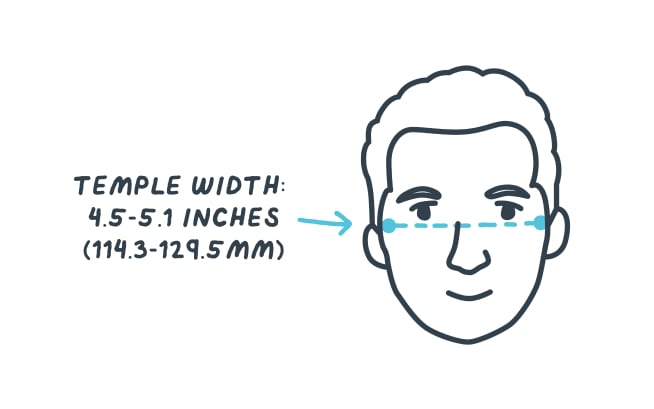
Temple length (the arm) also affects how glasses feel behind the ears. If you have a small head, you may prefer shorter temple lengths so the arms don’t extend far past your ear. Remember that two frames with similar numbers can still fit differently depending on shape and material, so think of the measurements as smart filters, not rigid rules.
How Glasses Should Actually Fit a Small Face
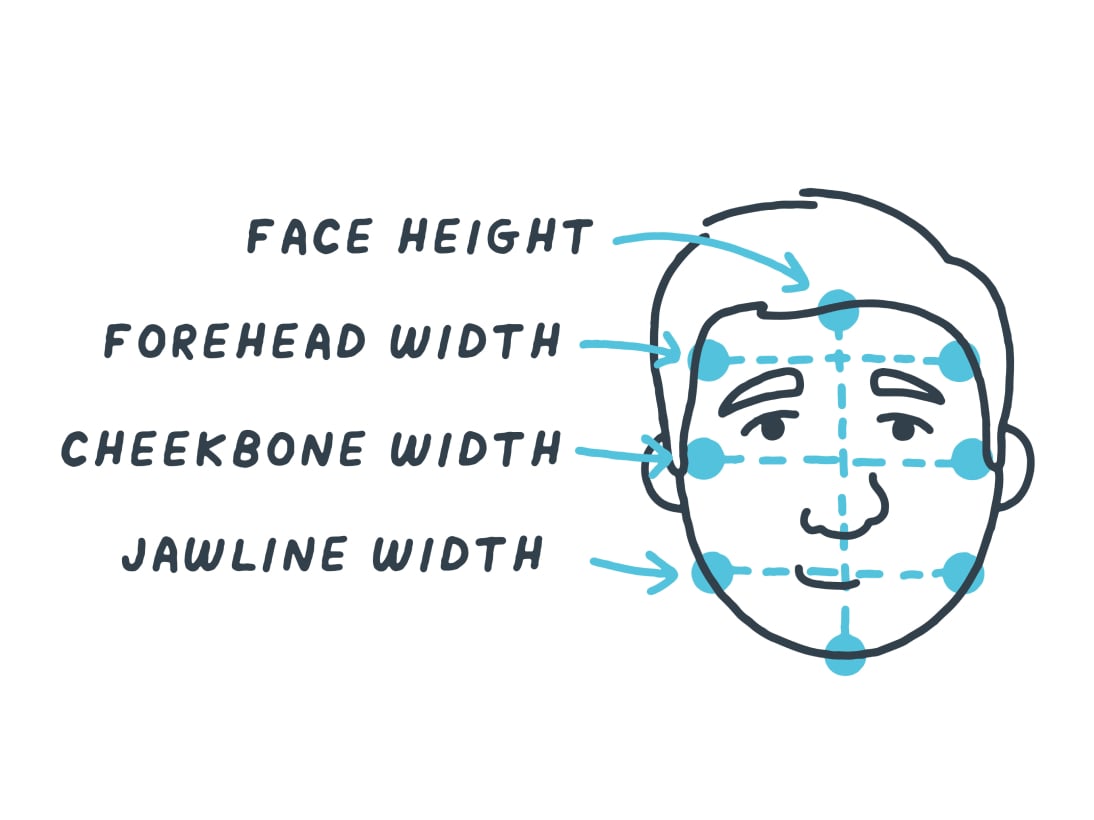
Once you know the numbers, the next step is judging real-world fit in the mirror. First, look at overall width: The frame front should roughly match the width of your face, not extend far past your cheekbones. When the frame is significantly wider than your face, it can make your features look smaller and may contribute to slipping.
Next, focus on height. For petites, frame depths that are very tall can quickly overpower your face. A common guideline is that the lower rims should sit above the cheeks when you smile-well-fitted frames should not touch the cheeks or eyelashes. If your lashes constantly brush the lenses or the frame fogs every time you laugh, it may be too tall, too loose, or both.
Eyes centered: Your pupils should sit near the center horizontally and vertically in each lens.
No pinching or gaps: The bridge rests comfortably, without red marks or a visible gap between frame and nose.
Minimal slipping: Look down and shake your head gently; your glasses should stay in place with only minor movement.
Cheek clearance: When you grin, the frame doesn’t ride up dramatically or rest on your cheeks.
Finally, pay attention to overall feel. Smaller faces may notice weight and balance differences more with heavier acetates and thicker lenses. Lightweight materials (thin acetate, titanium, mixed metal) combined with petite lens widths can help many wearers feel less weight on the nose and ears.
Choosing Styles and Shapes for Small Faces
Once you’ve dialed in size, you can think about style. The goal for small faces is balance: You want your frames to define your features, not drown them. As a starting point, consider your general face shape-round, square, heart, oval, or diamond and apply the usual guidelines, just scaled down.
If your face is round and petite, angular cat-eye or rectangular styles can add structure without needing to be oversized. For square small faces, slightly rounded or oval frames can soften strong lines. Heart-shaped petites often look great in low-profile, slightly rounded rectangles that don’t add too much visual weight at the top.
Frame thickness also matters. Very thick, chunky rims in dark colors can visually dominate a short or narrow face. Slimmer profiles, clear or translucent acetates, and lighter metals tend to keep your features more open. You still get style impact, but your face-not your glasses-remains the focus.
Glasses for Small Faces
Finding glasses for small faces doesn’t have to mean compromising on comfort or style. Once you understand lens width, bridge width, and temple length, plus how a frame should sit on your features, you can shop more intentionally instead of relying only on trial and error.
Your next step might be to shortlist frames in petite or narrow sizes, filter by smaller lens widths, and then use the mirror checks in this guide to fine-tune. If you can, order a few nearby sizes, because those extra 1-2mm can make a noticeable difference in how frames sit on your face.
If you’ve struggled with oversized or slipping glasses in the past, try using these tips during your next try-on and share what you discover. Your insights can always help other petites find frames that feel like a better match.
Legal Disclaimer
MEDICAL DISCLAIMER: This content is provided for educational and informational purposes only and is not intended as medical advice, diagnosis, or treatment. This information should not be used to replace professional medical care or consultation. Individual results may vary significantly. Always consult with a qualified healthcare provider before making any decisions about your health, vision, or medical treatment. Never disregard professional medical advice or delay seeking treatment because of information you have read on this website.
VISION CARE DISCLAIMER: Vision correction needs vary by individual. Consult an eye care professional for personalized assessment and recommendations.
FDA DISCLAIMER: These statements have not been evaluated by the Food and Drug Administration. This content is not intended to diagnose, treat, cure, or prevent any disease or medical condition.
PROFESSIONAL CONSULTATION REQUIRED: Only qualified eye care professionals can provide personalized recommendations for your specific vision needs and health conditions.
This article is for informational purposes only. It is not intended to provide medical advice or substitute for professional health services. Warby Parker complies with all HIPAA regulations regarding your health information. For personal health questions or concerns related to your vision or eyewear prescriptions, please consult a qualified healthcare provider.
What size glasses are good options for small faces?
Many petites do well with lens widths roughly in the high 40s. Pair that with a narrower bridge and a proportionate temple length to help support a secure-feeling fit.
How do I know if glasses are too big for my small face?
If the frame extends far past your cheekbones, frequently slides down, touches your cheeks when you smile, or your eyes sit near the inner corners of the lenses, the glasses are likely too large.
What frame shapes often work well on small faces?
Scaled-down versions of classic shapes can work nicely: cat-eye or rectangular for many round faces, soft rectangles or ovals for many square faces, and low-profile rounded rectangles for many heart-shaped faces. The key is keeping proportions in line with your features.
Do I need special petite frames or just smaller sizes?
Many people with small faces are most comfortable in frames labeled petite or narrow because they’re designed with reduced width, shorter temples, and tighter bridges. However, any frame with smaller measurements and good fit checks can work.
How should glasses sit on my nose if I have a small bridge?
They should rest securely without noticeable gaps or pinching and stay in place when you look down. Adjustable nose pads or keyhole bridges are often preferred on small or low bridges over very wide, flat plastic bridges.
Can I wear oversized styles if I have a small face?
You can, but you may want to choose soft oversized instead of extreme. Look for slightly larger widths within a petite-friendly range, avoid very tall lenses, and check that the frames don’t sit on your cheeks or hide your eyebrows.