Reading in the dark won’t damage your eyes. That is, it won’t affect your vision permanently. And if you’ve heard that reading in dim light can cause nearsightedness—well, that’s not true, either.
But does reading in the dark hurt your eyes temporarily? Yes, it can—reading in the dark or in dim light can cause eye strain. And this can sometimes “hurt,” meaning it can cause soreness or other uncomfortable symptoms. Eye strain can also affect your sight while you’re experiencing it.
Fortunately, eye strain is temporary and won’t injure your eyes in any lasting way. (If you like to read under the covers late at night, go ahead and breathe a sigh of relief.)
We’re here to shed some light on how reading in the dark can affect your eyes. Read on for some helpful tips on how to avoid eye strain from late-night reading.
How Reading in the Dark Can Cause Eye Strain
Even if you consider yourself a night owl, you’re still only human—you don’t have the sharp night vision that owls have. For human eyes, reading in low light is hard work. And like other parts of our body, our eyes get tired if they work hard. This eye fatigue is also known as eye strain.
If you have eye strain, you might get a feeling of heavy, overworked eyes. Other common symptoms of eye strain are headaches, irritated eyes, shoulder or neck pain, blurry vision, and double vision.
Here are some reasons low light can strain your eyes:
- In low light, it’s harder for your eyes to focus.
- As we age, our vision naturally declines, sometimes more noticeably in low light. This is a condition called presbyopia.
- Nearsightedness and astigmatism could make reading in dim lighting more challenging.
- Other untreated eye conditions could aggravate eye strain.
- People may blink less when the lighting is dim. This can lead to dry eye syndrome and eye strain.
What About Reading on a Screen?
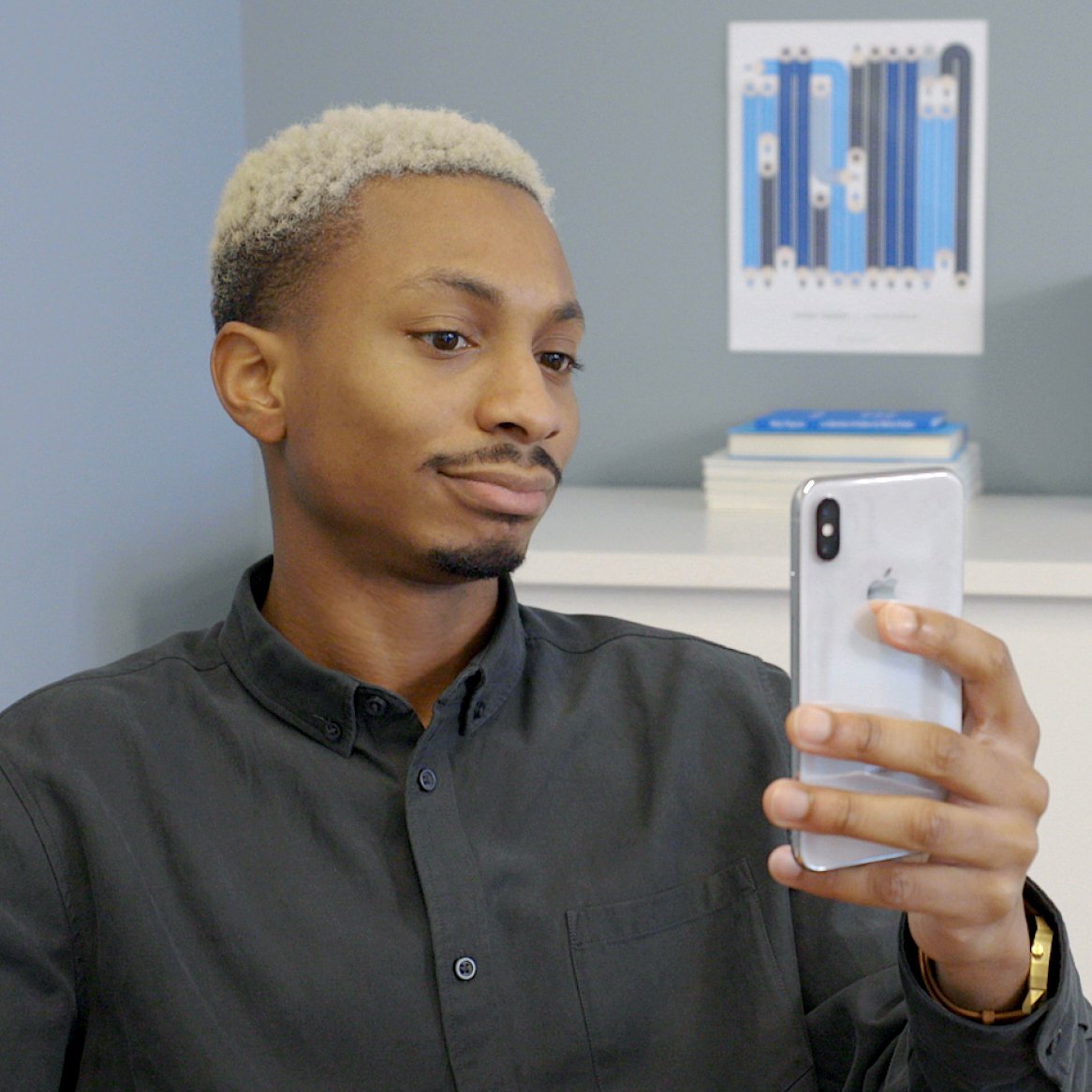
Using a phone, iPad, Kindle, or other electronic devices might seem like a great way to read in the dark. After all, the light is built right in.
But reading on a digital device in the dark can cause eye strain too. Looking at a bright screen in dim light is difficult work for your eyes. It forces your eyes to adjust between the bright screen and the dark room constantly. This can lead to a specific type of eye strain known as digital eye strain or computer vision syndrome.
How To Avoid Eye Strain From Reading in the Dark
The easiest way to avoid reading in the dark is rather obvious: Turn on a light. But there are more things you can do to cut down on eye strain:
- If you read on a digital screen, ask a doctor about anti-fatigue and blue light glasses.
- Try making the room you’re reading in a similar brightness to your screen if you’re reading on a digital device.
- If you experience eye strain reading in any light (not just in the dark), ask your eye doctor about reading glasses.
- Remember to blink. This lubricates the eyes, which can reduce eye strain.
- With your doctor’s direction, use lubricating eye drops.
- Follow the 20-20-20 rule: Every 20 minutes, take a 20-second break to look at something 20 feet away.
- Keep up with regular eye exams to make sure your prescription stays current.
Go Ahead and Read, But Heed the Signs of Eye Strain
Eye strain from reading in the dark could temporarily make it difficult to see well, which could be unsafe and uncomfortable. So it isn’t something to ignore. But eye strain isn’t a dangerous condition long term, and it generally fades away when you rest your eyes.
Be sure to see a doctor if eye strain—from reading in the dark or otherwise—becomes a recurring problem or if the “strain doesn’t wane” in a reasonable amount of time.
Legal Disclaimer
MEDICAL DISCLAIMER: This content is provided for educational and informational purposes only and is not intended as medical advice, diagnosis, or treatment. This information should not be used to replace professional medical care or consultation. Individual results may vary significantly. Always consult with a qualified healthcare provider before making any decisions about your health, vision, or medical treatment. Never disregard professional medical advice or delay seeking treatment because of information you have read on this website.
VISION CARE DISCLAIMER: Vision correction needs vary by individual. Consult an eye care professional for personalized assessment and recommendations.
FDA DISCLAIMER: These statements have not been evaluated by the Food and Drug Administration. This content is not intended to diagnose, treat, cure, or prevent any disease or medical condition.
PROFESSIONAL CONSULTATION REQUIRED: Only qualified eye care professionals can provide personalized recommendations for your specific vision needs and health conditions.
This article is for informational purposes only. It is not intended to provide medical advice or substitute for professional health services. Warby Parker complies with all HIPAA regulations regarding your health information. For personal health questions or concerns related to your vision or eyewear prescriptions, please consult a qualified healthcare provider.