Oval Eyeglass Frames Style: Who They May Suit and How to Wear Them
Eyeglasses are often the first thing people notice about your face, so the shape you choose can play a big role in your overall look. Oval frames are having a moment, but their appeal goes beyond trends – they create a noticeable change in how your frames relate to your features.
This guide walks through how oval eyeglass frames style interacts with different face shapes and personal aesthetics, so you can decide if this silhouette fits into your everyday look.
We will look at how oval eyeglass frames style can influence angles and proportions, and how it can shift between subtle and statement depending on size, color, and material.
By the end, you may have a clearer sense of whether oval frames feel flattering to you, how to narrow in on a pair you like, and what styling choices can help them feel intentional rather than generic.
Not sure which glasses to get?
Try on frames virtually, right now
How Oval Frames Work With Your Features
Oval frames are defined by a gently elongated, rounded shape – softer than rectangles, more streamlined than perfectly round glasses. This contour can echo facial curves, which some people feel looks familiar and easy to wear.
Because there are no sharp corners, oval frames can create a softer overall outline on faces with strong or angular lines. Guidance on eyeglass frames and face shape often mentions rounded or oval silhouettes for square and angular faces as one way to introduce a more curved, less boxy outline.
On softer or rounder faces, oval frames can either emphasize that softness or, if you choose a more structured bridge or slightly flatter top line, add a bit more visual structure. That flexibility is part of what makes them a versatile option in everyday eyewear.
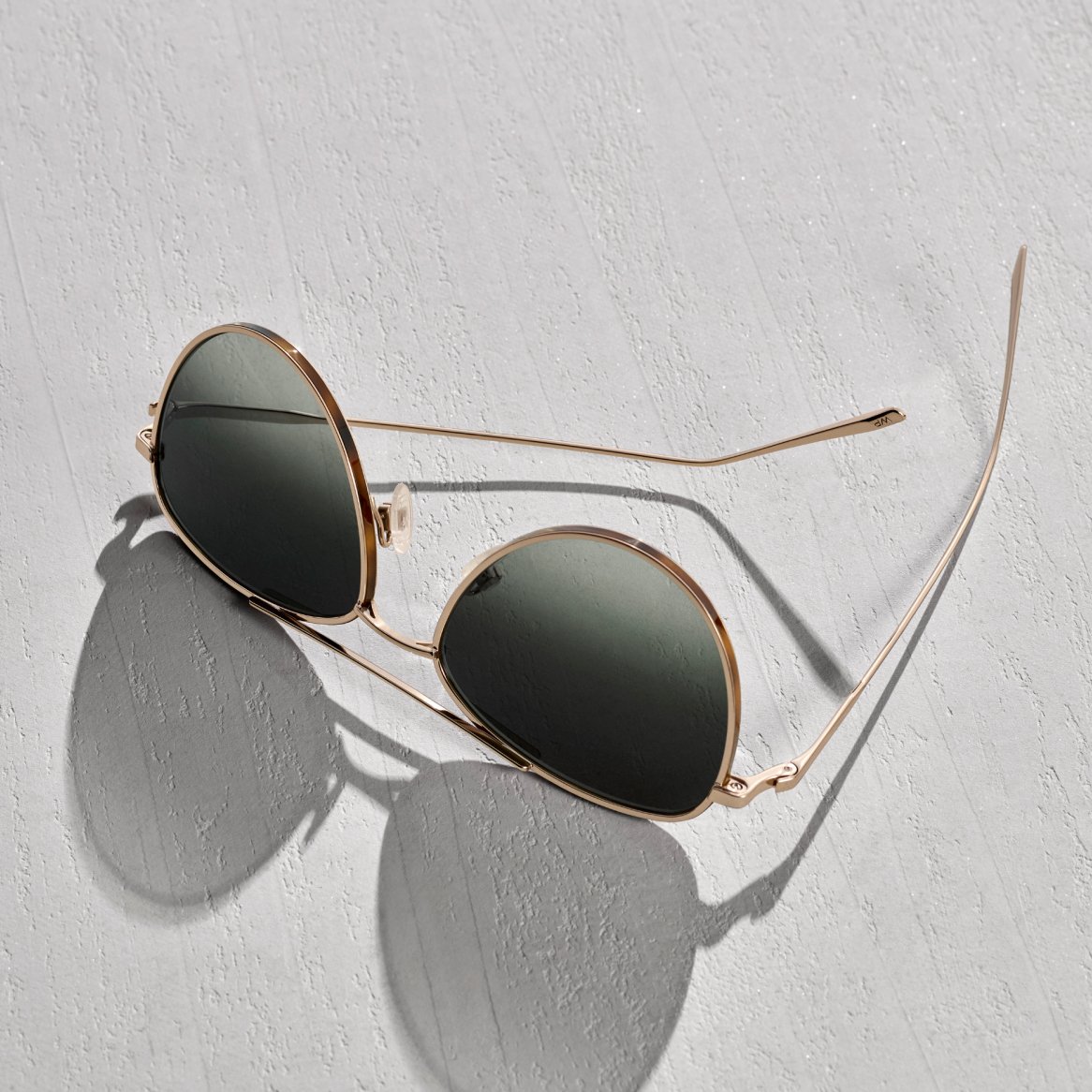
Want the look? (Even if you're not a pilot.)
We offer endless iterations—in both materials and lens shapes—of the adventurous aviator
Oval glasses also change character noticeably with proportion. A narrow, wire oval may appear more understated, drawing more attention to your features than the frame itself. A larger acetate oval, by contrast, tends to read as bold and fashion-forward – still gentle in outline but visually strong enough to become a central part of your look.
Who Oval Eyeglass Frames May Suit
Oval frames are a popular choice for people with more angular features. If your jawline is defined or your forehead is broad, the curved edges of an oval frame can visually round off corners for a more curved overall look. Fashion coverage has noted that modern oval frames are a key eyewear trend and often highlighted on square and heart-shaped faces for this reason.
Many people with round faces like oval frames when the frame is slightly wider than the cheekbones and not too deep. That added width, paired with a gentle curve, can offer a bit more definition without strongly emphasizing roundness. If you’d prefer not to emphasize fullness, slimmer profiles and darker or neutral colors are common go-tos.
- Square faces: Many people with square faces prefer soft, medium-sized ovals that sit just wider than the face.
- Heart-shaped faces: Lightweight ovals in metal or thin acetate can complement a broader forehead and narrower chin.
- Round faces: Some people with round faces choose ovals that are slightly wider than they are tall, with a defined bridge for a bit more structure.
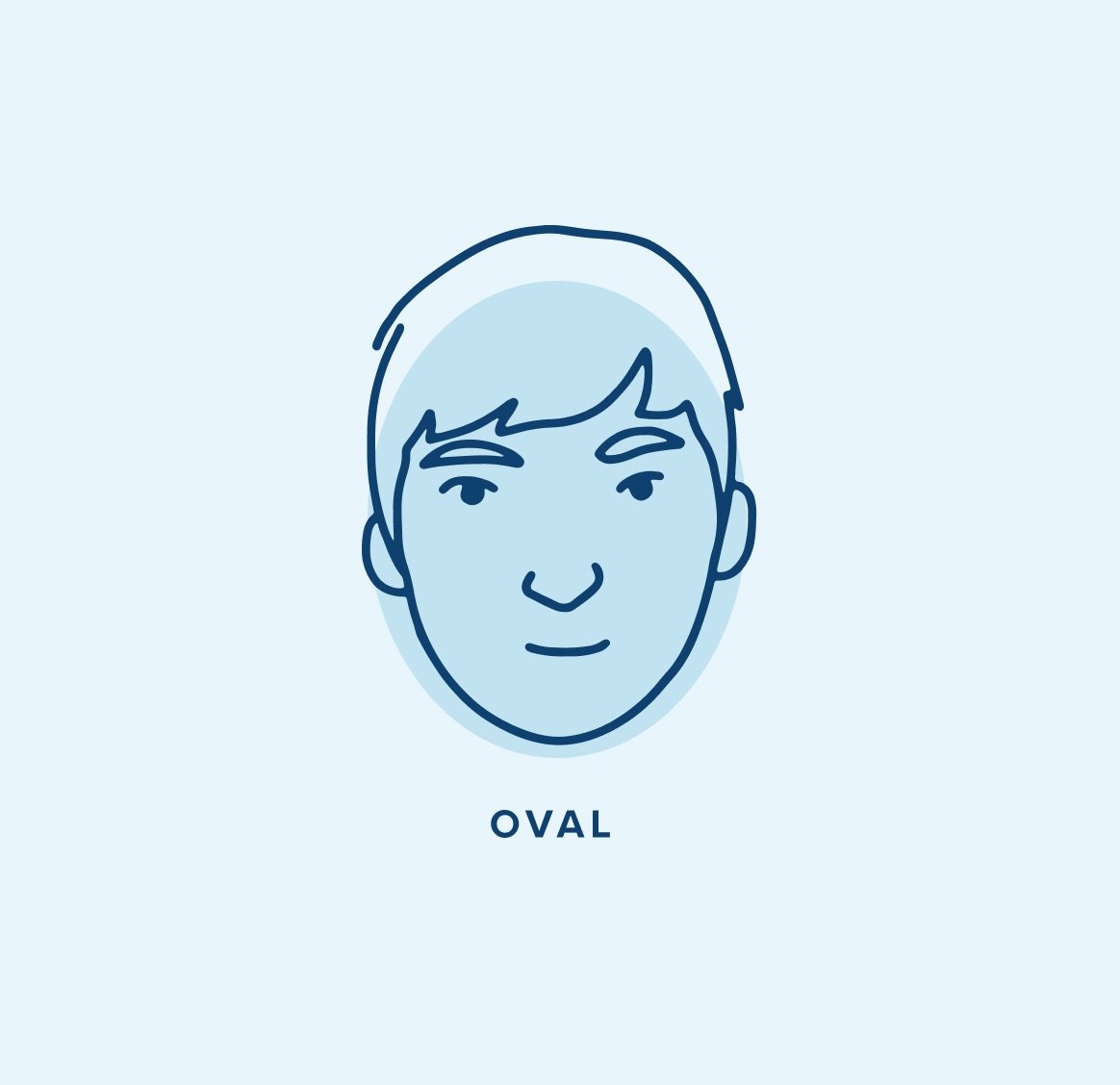
- Oval faces: A wide range of shapes can work; ovals can echo your natural balance if you gravitate toward a classic, understated look.
Choosing the Right Oval Eyeglass Frames Style
Once you’ve decided to explore oval glasses, the next step is refining the specific style. A common starting point is width: frames that are as wide or slightly wider than the broadest part of your face often feel visually balanced, as echoed in guidance on glasses and face shape. Very narrow frames may draw attention inward; very wide ones may become the main focal point.
Having vision issues?
Get a comprehensive eye exam from one of our expert optometrists
Material shapes the mood of your oval glasses. Thin metal ovals tend to feel minimal, intellectual, and light-looking – often chosen by people who prefer a more understated frame. Chunkier acetate or mixed-material ovals bring more presence and color, which can work well if your glasses double as a signature accessory. Also discuss with your eyecare professional if your prescription is better suited in a metal frame vs acetate. Higher prescriptions will do better with acetate frames compared to metal or we may recommend certain lens modifications like high index if a patient wants a thinner metal frame. Additionally oval frames may need to be larger if it is a progressive prescription vs single vision.
Color choice is where personal style really shows. Classic neutrals (black, tortoise, crystal, soft brown) keep oval frames easy to pair with both work and weekend outfits. Bolder hues – forest green, deep burgundy, or a bright primary-turn the same silhouette into more of a focal point. Because the shape is gentle, many people find it pairs well with bolder colors without feeling overwhelming.
Key Takeaways: Making Oval Frames Your Own
Oval eyeglass frames style is a popular option for many different face shapes, especially if you’re looking for something that feels softer than sharp corners or very angular lines. Their rounded silhouette can create a curved outline that contrasts with stronger angles and can read either subtle or statement depending on size, thickness, and color.
If you’re considering oval frames, you might start by matching the frame width to the broadest part of your face, then deciding whether you like a more minimal metal look or a bolder acetate style. From there, choose a color that reflects how visible you want your glasses to be day to day.
Use this guide as a starting point, then try on a few variations – ideally in natural light – to see how each option interacts with your features. Notice where your eye goes first: your features or the frame itself, and choose the balance that feels most like you.
Bundle & save
Buy one prescription pair and save 20% on additional pairs
Legal Disclaimer
MEDICAL DISCLAIMER: This content is provided for educational and informational purposes only and is not intended as medical advice, diagnosis, or treatment. This information should not be used to replace professional medical care or consultation. Individual results may vary significantly. Always consult with a qualified healthcare provider before making any decisions about your health, vision, or medical treatment. Never disregard professional medical advice or delay seeking treatment because of information you have read on this website.
VISION CARE DISCLAIMER: Vision correction needs vary by individual. Consult an eye care professional for personalized assessment and recommendations.
FDA DISCLAIMER: These statements have not been evaluated by the Food and Drug Administration. This content is not intended to diagnose, treat, cure, or prevent any disease or medical condition.
PROFESSIONAL CONSULTATION REQUIRED: Only qualified eye care professionals can provide personalized recommendations for your specific vision needs and health conditions.
This article is for informational purposes only. It is not intended to provide medical advice or substitute for professional health services. Warby Parker complies with all HIPAA regulations regarding your health information. For personal health questions or concerns related to your vision or eyewear prescriptions, please consult a qualified healthcare provider.
Are oval glasses flattering on everyone?
Not necessarily, but many people find them versatile. Many people with square, heart-shaped, and softly rounded faces like how oval frames look because the curved outline contrasts with sharper angles or gently echoes softer lines.
Do oval eyeglass frames style work for round faces?
They can. Some people with round faces prefer ovals that are slightly wider than their cheekbones and not overly deep. Slimmer frames and darker or neutral colors are often chosen when someone wants a bit more definition without strongly emphasizing roundness.
Which face shapes often choose oval frames?
People with square and heart-shaped faces often choose oval frames if they like the way the rounded outline contrasts with a defined jawline or broader forehead. Many people with oval faces also enjoy ovals for a refined, classic look.
Are oval glasses still in style?
Yes. Modern, streamlined oval frames appear regularly in current eyewear trend coverage and are expected to remain popular thanks to their versatility and gentle, minimalist look.
Should I choose metal or acetate oval frames?
It depends on the look you prefer. Metal can feel light and understated, while acetate often offers more color, presence, and a bolder outline. Discuss with your eyecare professional if your prescription is better suited in a metal frame vs acetate. Higher prescriptions will do better with acetate frames compared to metal or we may recommend certain lens modifications like high index if a patient wants a thinner metal frame. Additionally oval frames may need to be larger if it is a progressive prescription vs single vision.
Need Glasses?
Shop prescription glasses starting at $95