Want glasses that look sharp, but don’t want them to feel heavy or bulky? Then you may want to check out thin metal eyeglass frames. They’re a popular option for people who prefer a light, minimalist look without that glasses getting heavy-in-the-afternoon feeling.
This guide explains what sets these frames apart so you can choose a pair that looks good to you, fits comfortably, and works for your day-to-day routine. It focuses on practical details like weight, materials, and how different designs sit on your face.
Because thin metal eyeglass frames come in different materials and constructions, it can be helpful to understand common trade-offs, such as: how they rest on the bridge of your nose, how they contact the sides of your head, and how they interact with your skin.
Below, you’ll find an overview of how materials relate to overall feel, how to think about size & fit, what to know about metal sensitivity, and general care tips for keeping slim metal frames in good shape over time.
Why Thin Metal Eyeglass Frames Are So Popular
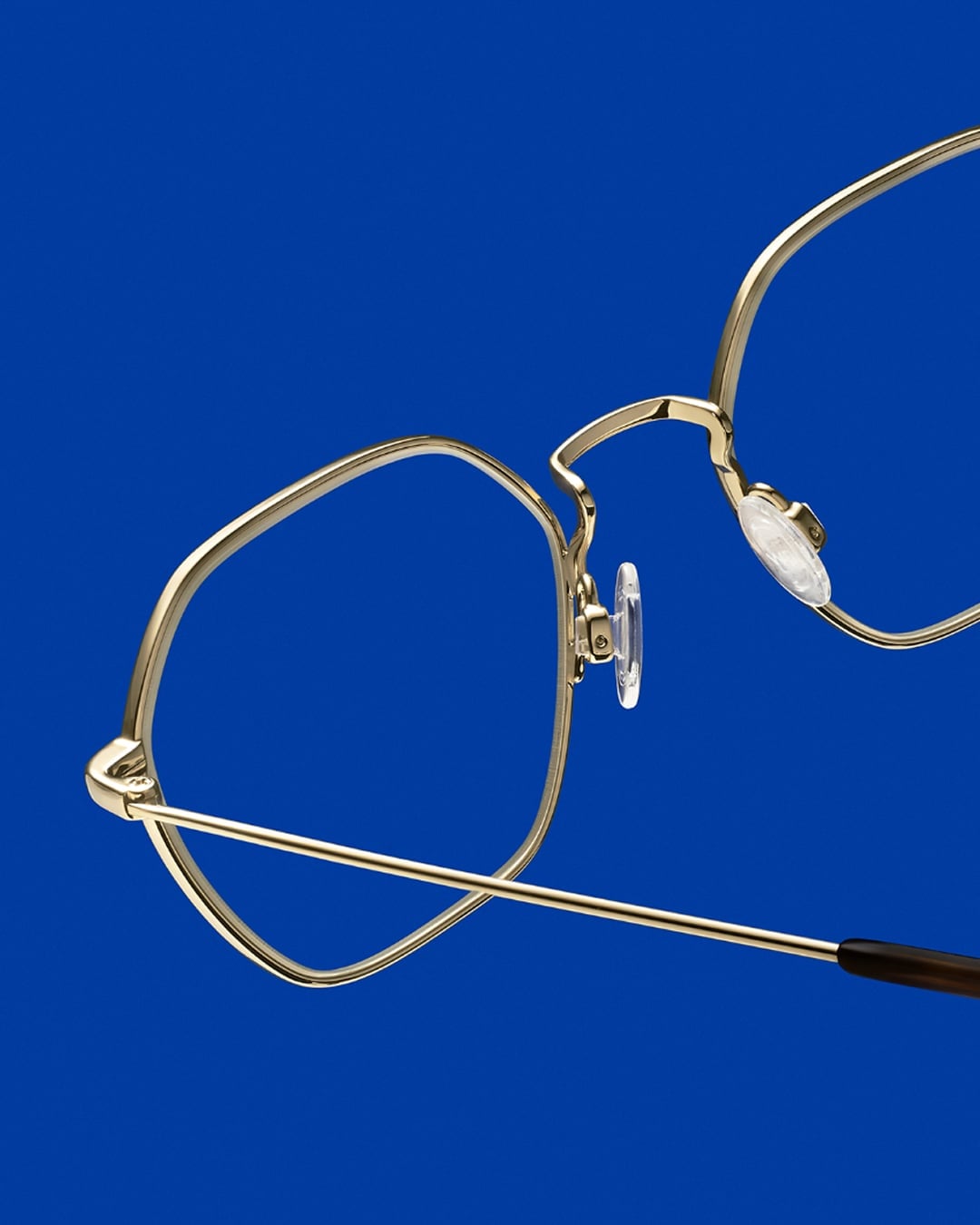
Thin metal eyeglass frames appeal to many wearers because they can appear less striking or distracting on the face. The narrow profiles can work with both casual and professional outfits and complement a wide range of personal styles.
Metals like titanium and certain stainless steels can be formed into slim components that still hold their shape. Many people describe lighter-weight metal frames as feeling less noticeable at contact points like the nose and ears, particularly throughout a full day of wear. When combined with well-fitted pads and temples, thin metal frames can offer a streamlined alternative to bulkier designs.
Thin metals also give designers flexibility. You can find everything from classic round wire rims to structured rectangles and semi-rimless looks. This variety makes it easier to explore frame shapes that suit your face shape and preferences while keeping the same sleek, minimal theme.
Materials for Thin Metal Eyeglass Frames
The metal you choose has a direct impact on weight, durability, and how the frames sit against your skin. Titanium is often described as a strong, relatively lightweight metal with good corrosion resistance, which makes it a common choice for thinner constructions.
Stainless steel is another frequently used option. It is typically more affordable than titanium while still offering good strength and a relatively light feel. Many modern stainless steel frames are designed to be nickel-free or low-nickel at skin contact points, which can be important for people who are concerned about metal sensitivity.
- Titanium and beta-titanium: Often used for slim, flexible designs and frequently marketed as lightweight and corrosion-resistant.
- Stainless steel: Offers a slim, modern look with solid durability; some lines use nickel-free alloys at contact points.
- Memory metals (such as certain titanium alloys): Designed to flex and spring back into shape, which may be helpful if you tend to drop or bend your frames.
If you have a history of reacting to certain metals, it’s worth asking about nickel content and other material details. Options like titanium or confirmed nickel-free stainless steel are commonly chosen by those who are trying to be mindful about metal exposure at the skin.
Comfort, Fit, and Everyday Wear
Even high-quality materials may not feel right if the fit is off. With thin metal eyeglass frames, overall comfort is influenced by how the weight is distributed and where the frames make contact with your face.
Some research suggests that frame weight and nose-pad surface area are factors in how glasses feel on the bridge of the nose. Lighter frames and well-sized pads may be associated with a different feel at these contact points, especially during extended wear. Properly adjusted nose pads generally rest evenly on the nose rather than concentrating pressure in a small area. Metal frames with nose pads are especially practical for certain prescriptions (particularly progressive addition lenses) because they’re easy to adjust if the reading segment sits too high or too low on your face.
Temple design matters as well. Slim metal temples typically follow the contour of your head and curve gently behind the ear. A good adjustment can help your glasses feel stable when you move, without feeling overly tight.
When trying on frames, it can be helpful to test them in motion: look down, smile, and turn your head side to side. Thin metal frames that are aligned and adjusted for you can help them stay in place more comfortably, with less readjustment. If they slide or feel uneven, an optician can adjust the pads, temple angle, or length to refine the fit.
Key Takeaways and Next Steps with Thin Metal Eyeglass Frames
Thin metal eyeglass frames combine a minimal style, light-feeling materials, and a range of shapes that can work for many face shapes and prescriptions. By paying attention to material (such as titanium or nickel-free stainless steel), how the frame fits at the nose & temples, and which frame shapes you prefer, you can choose slim frames that look refined and feel good to you throughout the day.
As a next step, you might narrow your choices to a few frame materials and shapes, then visit an optical retailer or clinic where a professional can adjust the fit. If you know you have sensitive skin or metal concerns, mention any past reactions so they can suggest options that may be appropriate for you.
To make your decision, compare how different thin metal designs feel after several minutes of wear, not just at first glance. If you have questions about specific metals, coatings, or fit adjustments, consider asking your eye-care provider for additional guidance.
Frequently Asked Questions
Are thin metal eyeglass frames durable enough for daily use?
Thin metal frames made from materials like titanium or stainless steel are commonly used for regular, day-to-day wear. These materials can offer a balance of slim profiles and structural strength when designed and manufactured for eyewear. Actual durability can vary based on the specific frame design and how the glasses are handled.
Which metal is often chosen for thin frames if I have metal sensitivities?
People who are concerned about metal sensitivity often look for options such as titanium or clearly labeled nickel-free stainless steel. These materials are frequently described as suitable choices for those who are trying to limit exposure to certain metals at skin contact points. If you have a known allergy or sensitivity, talk with your eye-care provider about which materials are recommended for you.
Do thin metal eyeglass frames feel lighter than plastic frames?
Many wearers describe thin metal frames, especially those made from titanium, as feeling lighter on the face compared with some acetate or plastic designs of similar size. How they feel to you will depend on the specific frame, your prescription, and your personal preferences.
Can thin metal frames be used with higher prescriptions?
In some cases, yes. Modern lens materials and certain bridge & temple designs can sometimes be paired with a wide range of prescriptions in thin metal frames. However, suitability depends on your individual prescription, the index of refraction of your selected lens materials, and the specific frame. Your eye-care provider can help you understand which styles may work well for your lenses.
How can I help thin metal frames stay in place on my nose?
If your frames are sliding, you can ask an optical professional to adjust the nose pads and temple angle. Properly positioned pads and appropriately shaped temples may help frames stay in place more comfortably.
Are thin metal eyeglass frames easy to adjust or repair?
Minor adjustments, such as reshaping temples or replacing nose pads or screws, are usually straightforward for an optical professional. More significant bending or cracking can be harder or sometimes not possible to repair, so it’s helpful to store and handle your frames with care.
Legal Disclaimers
MEDICAL DISCLAIMER
This content is provided for educational and informational purposes only and is not intended as medical advice, diagnosis, or treatment. This information should not be used to replace professional medical care or consultation. Individual results may vary significantly. Always consult with a qualified healthcare provider before making any decisions about your health, vision, or medical treatment. Never disregard professional medical advice or delay seeking treatment because of information you have read on this website.
VISION CARE DISCLAIMER
Vision correction needs vary by individual. Consult an eye care professional for personalized assessment and recommendations.
FDA DISCLAIMER
These statements have not been evaluated by the Food and Drug Administration. This content is not intended to diagnose, treat, cure, or prevent any disease or medical condition.
PROFESSIONAL CONSULTATION REQUIRED
Only qualified eye care professionals can provide personalized recommendations for your specific vision needs and health conditions.
This article is for informational purposes only. It is not intended to provide medical advice or substitute for professional health services. Warby Parker complies with all HIPAA regulations regarding your health information. For personal health questions or concerns related to your vision or eyewear prescriptions, please consult a qualified healthcare provider.