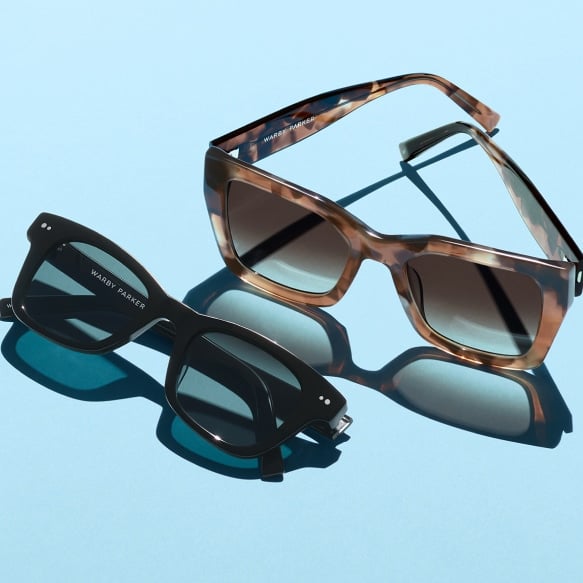
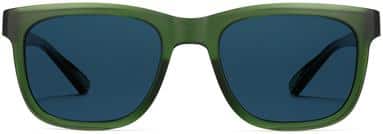
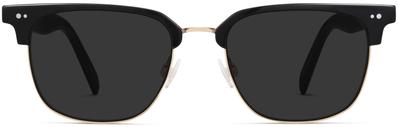
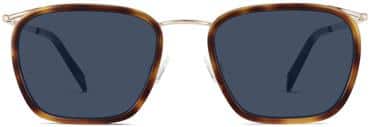
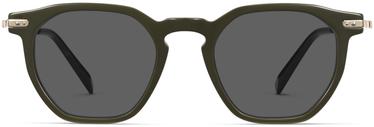
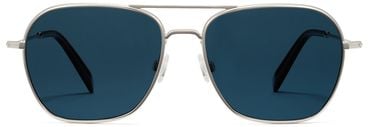
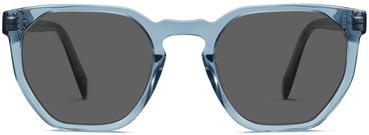
Sport sunglasses do a lot more than protect your eyes from the sun. They also help shield your eyes from wind, dust, and rogue flying objects—all of which go hand in hand with playing sports outside. Sports sunglasses can also give you the crisp vision you need to boost your comfort and performance outdoors.
But which sunglasses are best for playing sports outside? We’ll walk you through the elements that make up a great pair of sport sunglasses. Whether you’re looking for sunglasses to wear while fishing, cycling, running, golfing, or enjoying another outdoor activity, we’re here to help you pick the right ones for your preferences and needs.
What Are Sport Sunglasses?
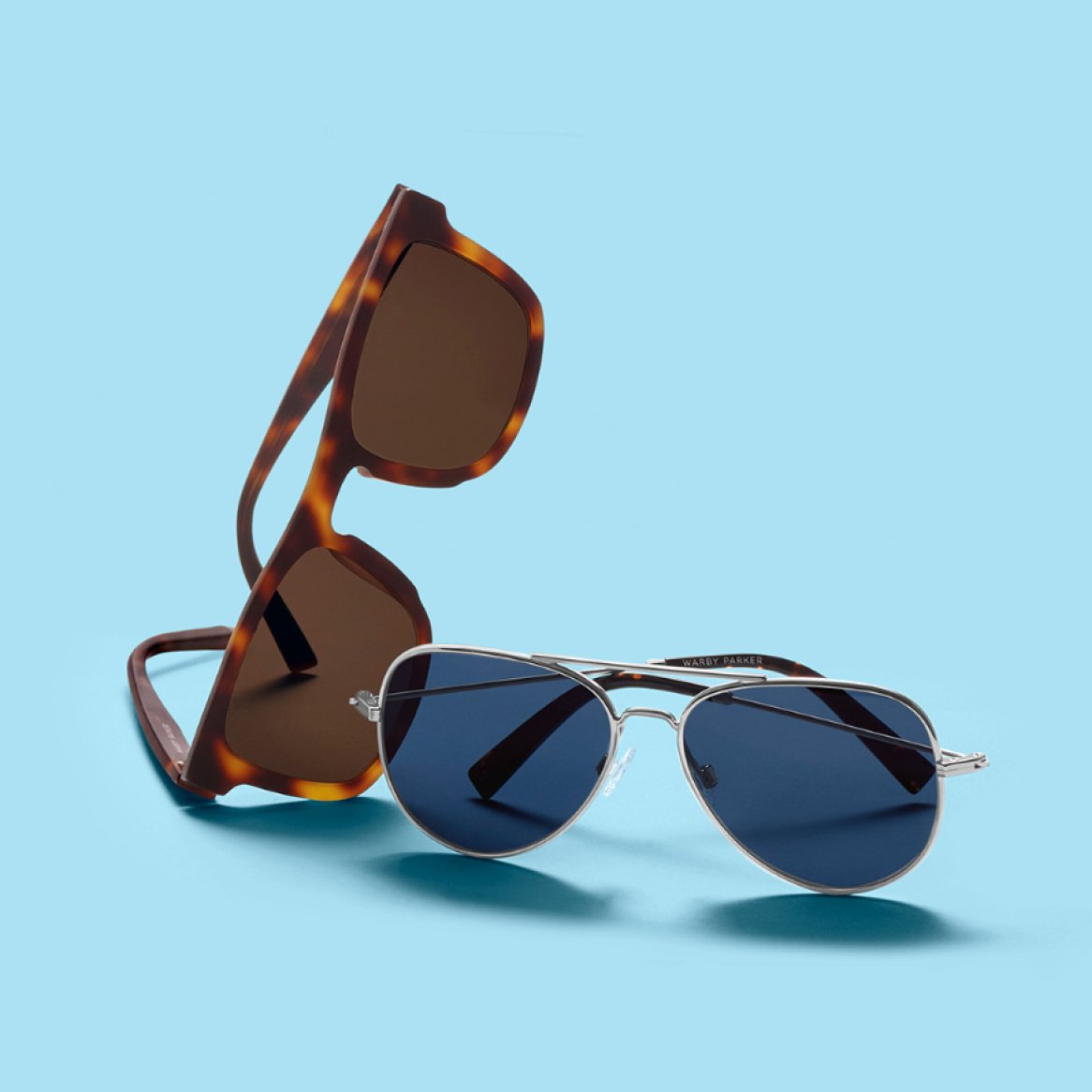
What’s the difference between sport sunglasses and “regular” sunglasses? Sport sunglasses (also known as athletic sunglasses) are really just sunglasses with features that make them more suitable for outdoor sports and other active pursuits. The specific characteristics of the sunglasses you choose might vary with the activity you need them for. For example, aviator sunglasses, known for their lightweight frame and sleek design, might be suitable for activities where comfort and stability are key. Alternatively, clip-on lenses can be a convenient and versatile option for athletes who already wear prescription glasses but want the added protection of sport sunglasses without the need for an entirely new pair.
Most good sport sunglasses offer sturdiness, impact resistance, and sharp vision. Keep in mind that sunglasses of any type are typically designed to provide protection from the two main types of ultraviolet (UV) sun rays—UVA and UVB. This helps shield the eyes and their surrounding area from damage caused by the sun. Unprotected eyes are at a greater risk of developing conditions like photokeratitis, which, in effect, means sunburned eyes.
All of Warby Parker’s prescription sunglasses and non-prescription sunglasses, as well as our eyeglasses, include lenses that block 100% of UVA and UVB rays.
Frames for Sport Sunglasses
The best sports sunglasses are made with high-quality, lightweight materials. Look for sturdy, impact-resistant frames with a bit of flexibility. (The same is true for both non-prescription and prescription sports glasses.)
Let’s take a look at some popular materials used to make sport sunglasses.
Acetate or Nylon
Acetate: Lightweight, durable, and flexible, acetate sunglasses come in various colors and styles, and they tend to be budget-friendly.
Nylon: Nylon is an even more lightweight, flexible material that’s great for someone with an active lifestyle.
Mixed Materials
Frames made of mixed materials combine the best of two materials, such as acetate rims and metal fittings.
Nose Pads or No?
Nose pads can make sunglasses—particularly metal ones—more comfortable. They also fine-tune the fit and keep the frames from slipping down your nose.
Metal or mixed-material frames tend to come with nose pads already installed. Acetate frames are often shaped to include a molded “pad bridge,” which functions like built-in nose pads. If your sunglasses don’t come with a nose pad solution you like, you can try adhesive nose pads to see if you find them beneficial.
Lenses for Sport Sunglasses—Types and Attributes
Because they’re key to having clear vision, lenses are an important part of any eyewear. But in sunglasses for sports and outdoor activities, lenses serve several other purposes. These include withstanding impact, sharpening vision, and reducing glare.
Polycarbonate Lenses
Polycarbonate lenses are a great choice for sport sunglasses. Because they’re sturdy and lightweight, polycarbonate lenses are also used in eyewear other than glasses and sunglasses—like safety glasses and goggles. They’re also used in astronauts’ helmets.
High-index lenses are another option, but they tend to be a bit less durable and cost more than polycarbonate lenses.
Advantages of polycarbonate lenses include:
Thin, lightweight, comfortable material: Polycarbonate lenses can accommodate higher prescriptions without adding a lot of thickness. In fact, polycarbonate lenses can be up to 30% thinner than other plastic lenses. They’re also lightweight, which makes them comfortable and unobtrusive for sports.
Impact resistance: Polycarbonate lenses are less likely to shatter, break, or chip if something hits them or they get dropped. They’re some of the most impact-resistant lenses you can find today.
Special coatings and treatments: Polycarbonate lenses for sport sunglasses can come with lens enhancements like polarization and a scratch-resistant coating. (We’ll discuss in more detail in a bit.) The lenses all Warby Parker glasses and sunglasses are equipped with scratch-resistant, smudge-resistant, and anti-reflective coatings, and they block 100% of UV rays.
And if your sunglasses or glasses tend to fog up while you’re being active, our anti-fog lens spray can help keep your lenses clear.
Versatility: Polycarbonate lenses can be single-vision lenses or progressive lenses—the latter having at least two areas of correction for viewing at different distances. Progressive sunglasses are excellent for active people with a combination of refractive errors like myopia, hyperopia, astigmatism, and presbyopia.
Polarized Lenses
Polarized sports sunglasses can be an especially great choice for active, outdoor days. Polarized sunglasses sharpen vision by cutting down on glare. This makes colors more vibrant, increasing contrast. To achieve polarization, lenses are coated in a special chemical filter that blocks certain wavelengths of glare. (Many of our sunglasses come standard with polarization.)
The crisp details that polarization provides can boost the performance of people playing sports. For activities on the water like fishing, polarized sunglasses help people see into the water better.
However, polarized lenses may make it more difficult to tell the difference between snow and ice, so these lenses aren’t recommended for snow sports. Polarized lenses can also tamper with depth perception, so they’re not ideal for golf sunglasses, either.
Lens Tints
You may want to consider the lens tint of your sport sunglasses. Different lens tints have certain advantages over others. So, what color lens is best for playing outdoor sports? Here’s a cheat sheet of popular tints:
- Grey lenses keep colors true and reduce glare in bright light.
- Brown lenses improve contrast—great for water sports and other activities on the water.
- Green lenses transmit colors evenly and help cut down on glare.
- Blue lenses enhance color perception and reduce glare both indoors and outside.
- Pink and red lenses improve depth perception.
- Yellow lenses are excellent for seeing clearly in low light.
Another option is flash-mirrored lenses for sport sunglasses. Mirrored lenses reflect away glare. In addition, they create quite a distinctive look.
Photochromic lenses, which switch between clear and tinted depending on the amount of sunlight hitting them, may be preferable for playing sports in changing light. And if you’re switching between indoors and outdoors a lot, photochromic lenses can save you the trouble of frequently putting your sunglasses on and taking them off.
How Should Your Sports Sunglasses Fit?
The right fit is essential for any eyewear. While playing sports, you’ll especially want your sunglasses to stay put.
Sport sunglasses should be snug but not tight (who wants a headache?)—and not so loose they move around or rub against your face. Make sure the sunglasses have the proper width and measurements to fit your face. Also consider your face shape. Your sunglasses should have the right pupillary distance, too.
To further stabilize your sport sunglasses, you may wish to try a glasses strap or band. A strap or band will come around your head and clip or slide onto the arms of your sunglasses—essentially tethering them to your face. (Ask your optometrist to recommend a safe strap to try.)
Ready to Shop Sunglasses? Start With an Updated Prescription
Now that you know what to look for in sport sunglasses, you’re probably itching to shop. (We get it!)
The first step in choosing any eyewear is to make sure your vision or prescription is optimal. Make an eye exam appointment for a full vision check with a friendly, expert optometrist. (You can also try our Virtual Vision Test if you think your current prescription is still good but is expired and needs renewing.)
If it’s been a while since you’ve had your eyes checked, book your annual comprehensive eye exam so the doctor can screen for any underlying conditions. That way, you can start your quest for sport sunglasses with your vision in great shape..